The History and Evolution of Bilingual Education in Schools
24 March 2026
Bilingual education—just hearing those words probably sparks a mix of reactions, right? Maybe you think of learning Spanish in high school, or perhaps you're reminded of a classmate who spoke another language at home. No matter what comes to mind, one thing’s for sure: bilingual education has a rich, fascinating history, and its journey through time is packed with twists, turns, and a whole lot of growth.
In this article, we’re going to break it all down in a way that’s not only easy to follow but also pretty darn exciting. From early experiments in teaching two languages side-by-side to modern, globally inspired programs, the evolution of bilingual education in schools is a story worth telling.
So, buckle up. Let’s dive into how bilingual education began, how it changed over time, and where it’s heading in the future.
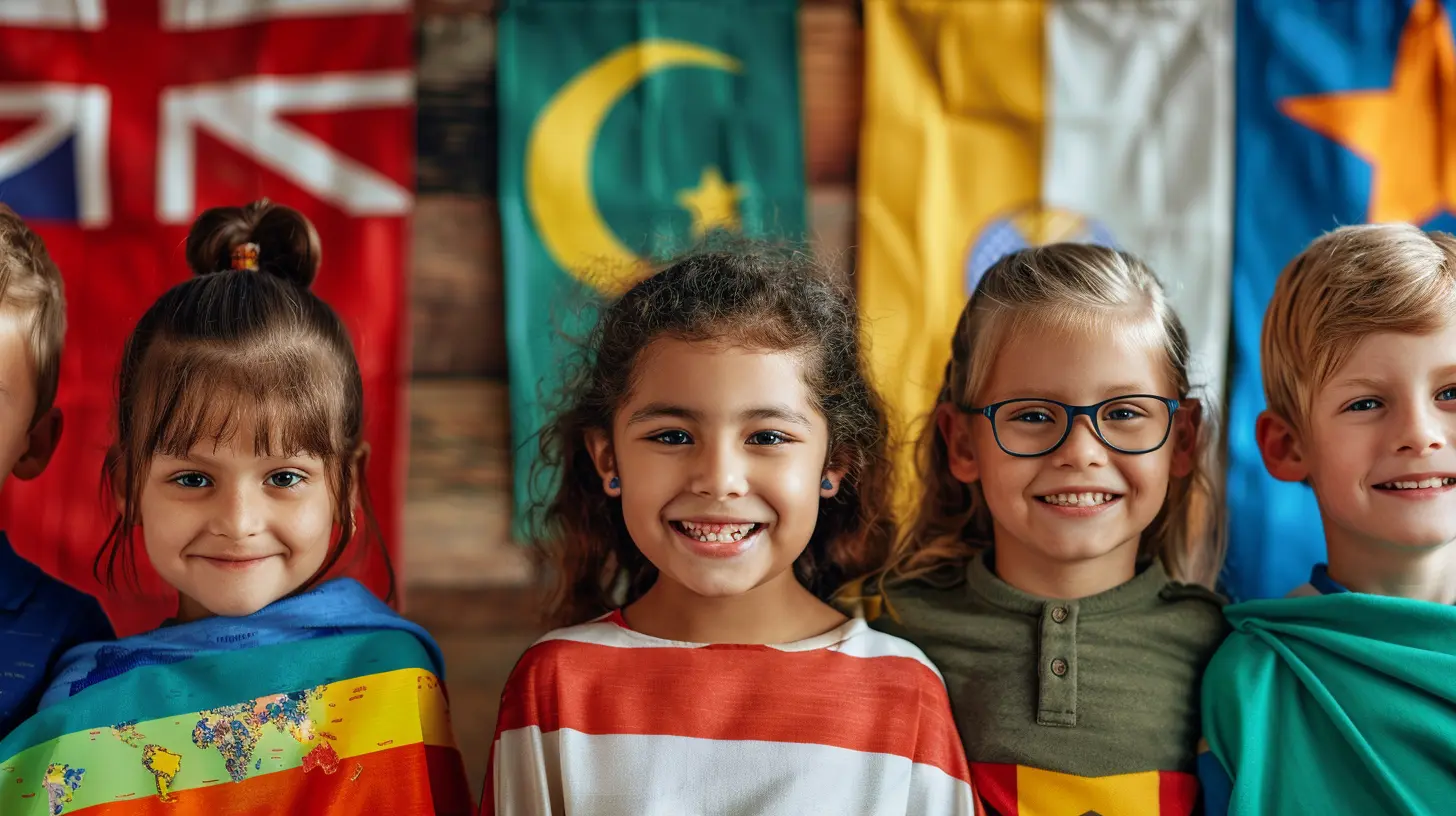
What Is Bilingual Education, Anyway?
Before we leap into the history, let’s get on the same page. Bilingual education is more than just teaching a foreign language. It’s about educating students using two languages—often the student’s native language and a second one. The goal? To help students become proficient in both, not just socially but academically, too.This method is especially helpful in diverse classrooms where students come from a variety of language backgrounds. But here’s the kicker—it didn’t always enjoy the support it has today. Let’s rewind the tape.
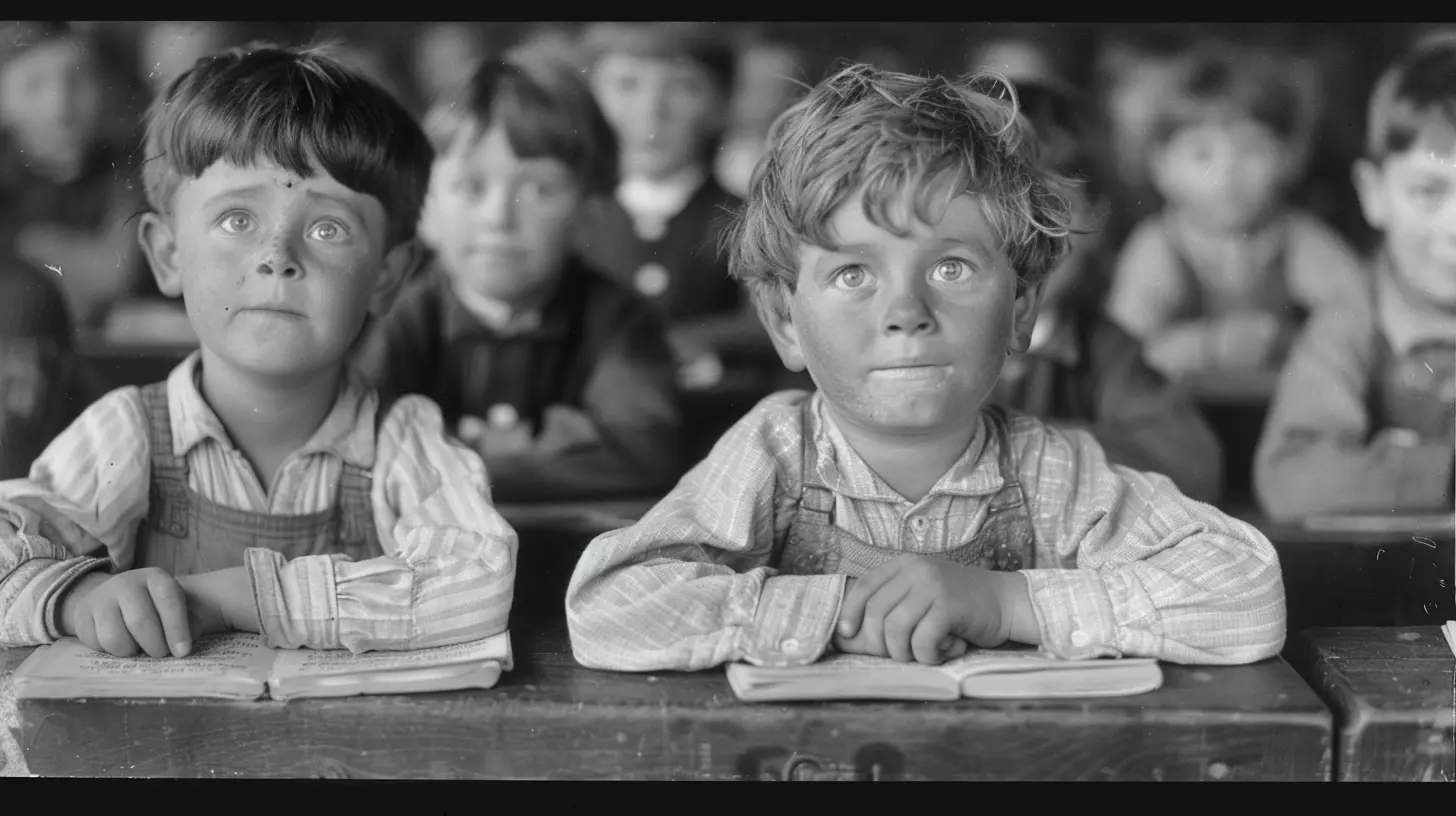
Early Beginnings: Bilingual Education Before the 20th Century
Believe it or not, bilingual education in the U.S. isn’t new. In fact, it has roots going all the way back to colonial times. In the 1700s and 1800s, immigrant communities across the country often opened their own schools, teaching kids in their native language. Think German in Pennsylvania, Swedish in the Midwest, and French in Louisiana.Back then, there wasn’t a strong push for “English-only” policies. Communities were free to educate their children in the languages they spoke at home. It was practical, and it worked.
But as the 19th century progressed, things began to shift. National identity and a stronger focus on assimilation pushed the idea that everyone should speak English. And so began the rise—and resistance—of English-only education.
The 20th Century: A Rollercoaster Ride
Here’s where things get really interesting.Early 1900s: The English-Only Era
During World War I, patriotism soared and suspicion of foreign languages skyrocketed. Many schools banned instruction in languages like German and Italian, labeling them “un-American.” The idea was that speaking English was the key to being a “true” American. This mindset would dominate much of the early 20th century.The Civil Rights Movement and a Change in Perspective
But then came the 1960s—a time of major change in the U.S. Civil rights were front and center, and that included the rights of students. The country began to realize that treating everyone the same didn’t necessarily mean fairness or equality.Cue the Bilingual Education Act of 1968.
This landmark legislation recognized that students with limited English proficiency needed more than just a sink-or-swim approach. The law didn’t just permit bilingual education—it encouraged it. Schools received federal funding to create programs that helped students learn English while also keeping up in other subjects using their native language.
Boom. A new era of bilingual education had begun.
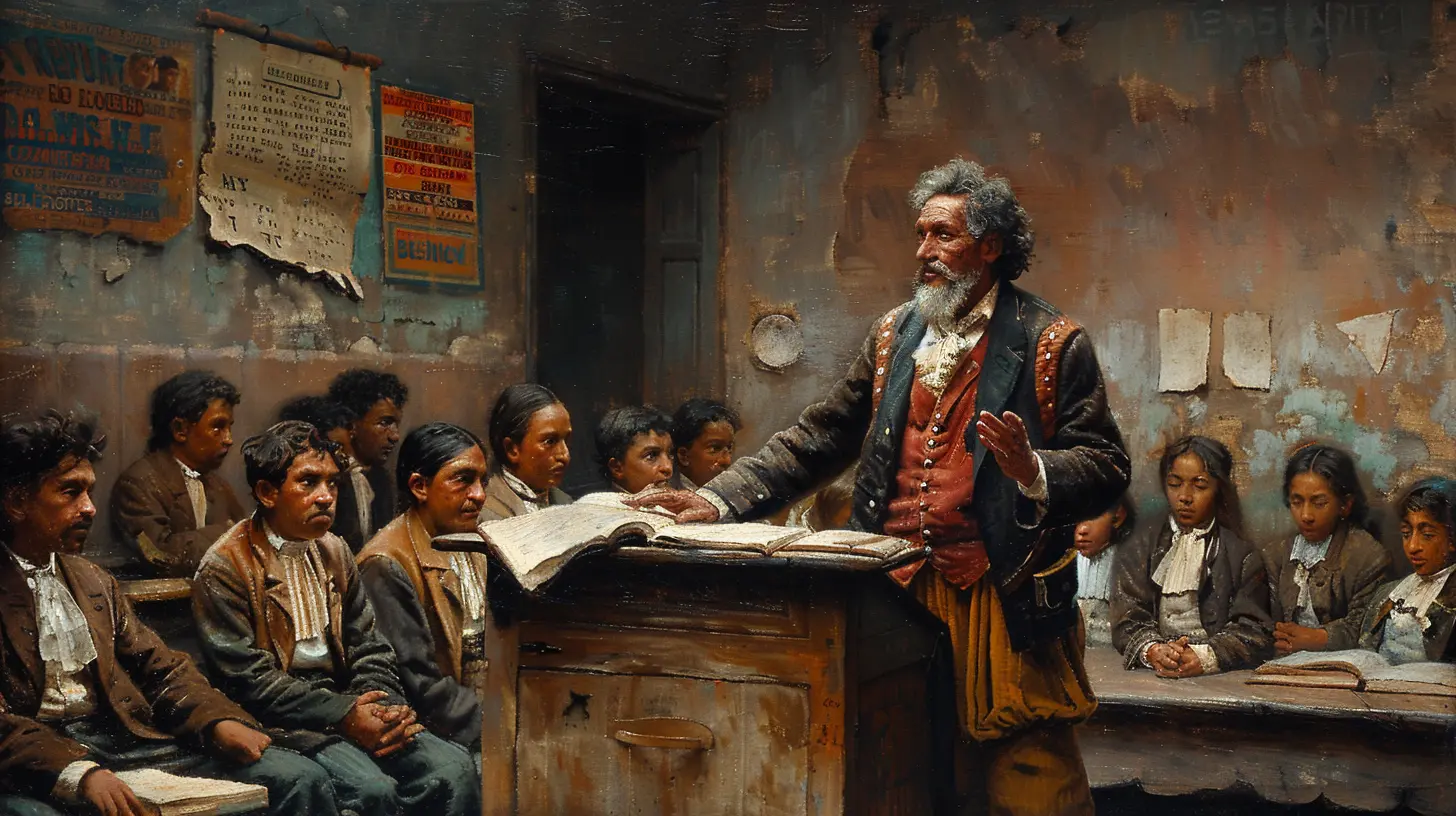
The 1980s and 90s: Debate, Diversity, and Dual Language Programs
As the decades rolled on, the debate over bilingual education continued to heat up. On one side, advocates argued that bilingual programs were essential for equity and academic success. On the other? Critics worried that these programs slowed down English acquisition and delayed integration.Still, the 1980s and 90s saw an explosion of dual language immersion programs—where both native English speakers and English learners learned together in two languages. Picture a classroom where half the day is taught in English, and the other half in Spanish, Mandarin, or French. Cool, right?
These programs didn’t just help English learners—they benefited native English speakers, too, by boosting cognitive skills and cultural awareness. Win-win.
The 2000s: Political Pushback and Policy Shifts
The early 2000s weren’t exactly warm and fuzzy for bilingual education. In states like California, Arizona, and Massachusetts, voters approved legislation that limited or outright banned bilingual programs in public schools. The focus shifted once again to English-only education, under the assumption that faster English immersion was best.But here’s the twist—years later, many states began to realize that the English-only model wasn’t working so well. Students weren’t thriving, and achievement gaps were widening. The pendulum started swinging back in bilingual education’s favor.
California, for example, passed Proposition 58 in 2016, overturning its earlier restrictions and giving schools more freedom to design bilingual programs. Talk about coming full circle.
The Present Day: A Global Perspective
Fast forward to today, and bilingual education is not just surviving—it's thriving.Embracing Multiculturalism
With globalization on the rise and classrooms more diverse than ever, many educators are viewing bilingualism as a superpower. Schools are embracing students’ native languages as assets rather than obstacles.Dual language immersion programs are booming, not just in traditional immigrant hubs but in suburbs and rural communities, too. Parents of all backgrounds are realizing that bilingual education doesn't just help English learners—it gives all students a leg up in the global economy.
Research Speaks Volumes
The data is in, and it’s convincing. Studies show that students in bilingual programs often outperform their monolingual peers in reading, math, and cognitive flexibility. They’re also better problem solvers and more empathetic. It’s like giving their brains a bilingual workout every day.The Future of Bilingual Education: Where Do We Go From Here?
So, what’s next? The future of bilingual education looks bright—if we keep the momentum going.Technology as a Game-Changer
With tools like language-learning apps, virtual classrooms, and AI-driven tutors, bilingual education is more accessible than ever. Technology has opened up new doors for language instruction, even in schools where resources are tight.Imagine students learning Mandarin through VR or practicing Spanish via interactive games. The possibilities are endless.
Teacher Training and Support
One big hurdle, though? We need more bilingual teachers. Districts across the country are struggling to recruit and retain educators who are proficient in multiple languages. Investing in training programs and incentivizing bilingual teaching careers could be a game-changer.Policy That Prioritizes Inclusion
As we move forward, clear, supportive policy is key. Lawmakers need to continue funding bilingual programs and protecting students’ rights to equitable education—no matter what language they speak at home. It all comes down to valuing linguistic diversity for what it truly is: a strength, not a setback.
Final Thoughts: Why It All Matters
At the end of the day, bilingual education isn’t just about learning two languages. It’s about opening doors, breaking down barriers, and creating classrooms where every student feels seen and supported.The history of bilingual education is one of resilience, resistance, and reinvention. From the early immigrant schools to today’s innovative language programs, it’s a journey that mirrors the broader fight for inclusion and equity in education.
If we want to build a future where all children can succeed—regardless of their background—bilingual education needs to be part of the plan. Because when we teach kids in the language they understand, we’re not just teaching them to speak. We’re teaching them they belong.
all images in this post were generated using AI tools
Category:
Bilingual EducationAuthor:
Monica O`Neal
Discussion
rate this article
2 comments
Corinne McCray
Great article! It beautifully highlights the rich journey of bilingual education in schools, reminding us of the importance of fostering language diversity in our classrooms.
April 10, 2026 at 12:14 PM
Monica O`Neal
Thank you! I'm glad you found it impactful. Language diversity truly enriches our classrooms.
Axel Estes
Words entwined, cultures bloom—education's vibrant dance.
March 24, 2026 at 3:45 AM
Monica O`Neal
Thank you for capturing the essence of bilingual education. It truly is a beautiful melding of language and culture.