The Future of Learning: Building Autonomous Learners
6 November 2026
In the rapidly evolving landscape of education, the concept of autonomous learners has gained significant traction. This shift reflects a broader understanding of what it means to be educated in the 21st century. Gone are the days when students passively absorbed information from textbooks and lectures. Today, the focus is on cultivating skills that enable learners to take charge of their educational journeys. This article delves into the future of learning by exploring the principles of autonomy, the role of technology, and practical strategies for educators and learners alike.

Understanding Autonomous Learning
What is Autonomous Learning?
Autonomous learning refers to the process where individuals take responsibility for their own learning. This involves setting goals, selecting resources, and evaluating outcomes independently. Unlike traditional models of education, which often emphasize rote memorization and standardized testing, autonomous learning prioritizes critical thinking, problem-solving, and self-directed inquiry.Why is Autonomous Learning Important?
The importance of fostering autonomous learners cannot be overstated. In a world characterized by rapid change and uncertainty, the ability to adapt and learn continuously is crucial. Autonomous learners are better equipped to navigate challenges, innovate, and contribute meaningfully to society. They possess the skills necessary to seek out information, assess its reliability, and apply it effectively.
The Role of Technology in Fostering Autonomy
Digital Tools and Resources
Technology plays a pivotal role in promoting autonomous learning. With the advent of digital tools, learners have unprecedented access to information and resources. Online courses, educational platforms, and digital libraries empower students to pursue their interests at their own pace. For instance, platforms like Khan Academy and Coursera offer a plethora of courses that learners can tailor to their needs.Personalized Learning Environments
Personalized learning environments leverage technology to cater to individual learning styles and paces. Adaptive learning systems, such as DreamBox and Smart Sparrow, adjust content based on student performance. This customization allows learners to engage with material that resonates with them, fostering a sense of ownership over their education.Challenges and Considerations
While technology offers numerous benefits, it also presents challenges. The digital divide remains a significant issue, as not all students have equal access to the internet and devices. the vast amount of information available online can be overwhelming. Educators must guide students in developing critical evaluation skills to discern credible sources from unreliable ones.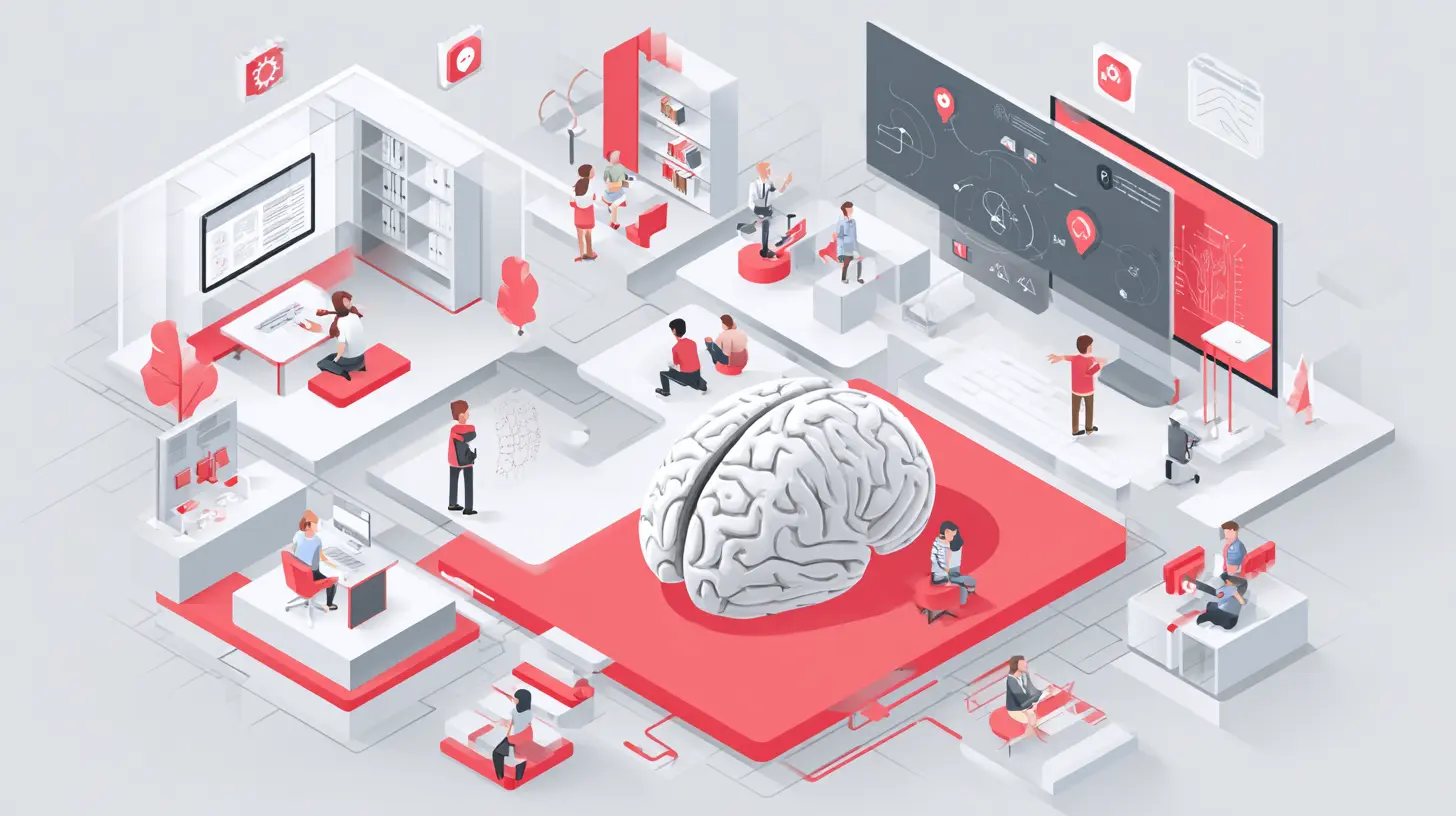
Strategies for Educators to Foster Autonomous Learning
Creating a Supportive Learning Environment
A supportive learning environment is essential for fostering autonomy. Educators should encourage a culture of trust where students feel safe to express their ideas and take risks. This involves providing constructive feedback and allowing for mistakes as part of the learning process.Encouraging Goal Setting
Goal setting is a fundamental aspect of autonomous learning. Educators can facilitate this by helping students articulate their interests and aspirations. Using tools like SMART goals (Specific, Measurable, Achievable, Relevant, Time-bound) can guide students in establishing clear and achievable objectives.Promoting Reflection
Reflection is a critical component of autonomous learning. Educators should encourage students to regularly assess their progress and consider what strategies are working or not. Journals, self-assessments, and peer feedback can provide valuable insights into their learning processes.Incorporating Project-Based Learning
Project-based learning (PBL) allows students to engage in real-world problems and apply their knowledge creatively. This method fosters autonomy by giving students the freedom to explore topics of interest while developing essential skills such as collaboration, communication, and critical thinking. For example, a group project addressing local environmental issues can empower students to take ownership of their learning while making a tangible impact.
The Role of Learners in Their Own Education
Developing Self-Regulation Skills
Self-regulation is crucial for autonomous learning. Students must learn to manage their time, set priorities, and stay motivated. Techniques such as the Pomodoro Technique, where learners break their study time into intervals, can enhance focus and productivity.Embracing Lifelong Learning
Autonomous learners view education as a lifelong journey. They actively seek opportunities for growth beyond formal education. Encouraging a mindset of curiosity and resilience can help students embrace challenges and pursue new knowledge throughout their lives.Building a Personal Learning Network
Personal learning networks (PLNs) enable learners to connect with others who share their interests. Platforms like Twitter, LinkedIn, and various online forums allow students to engage with experts and peers, expanding their horizons and fostering collaborative learning.Overcoming Common Misconceptions
Autonomous Learning Equals Isolation
A common misconception is that autonomous learning promotes isolation. In reality, autonomy does not mean learning alone. Collaborative learning, mentorship, and community engagement are vital aspects of the autonomous learning experience. Students can thrive in environments where they share ideas and learn from one another.Autonomy Means Lack of Guidance
Another misconception is that autonomous learners do not require guidance. While autonomy emphasizes independence, it does not eliminate the need for support. Educators play a crucial role in providing resources, mentorship, and feedback to help students navigate their learning journeys effectively.
Best Practices for Implementing Autonomous Learning
Start Small
For educators new to fostering autonomy, starting small can be effective. Introducing a few self-directed projects or allowing students to choose topics for research can gradually build their confidence and skills.Provide Resources
Equipping students with the necessary resources is essential. This includes access to digital tools, libraries, and mentorship opportunities. Educators should curate a list of reliable sources and tools that students can utilize in their autonomous learning pursuits.Foster a Growth Mindset
Encouraging a growth mindset can significantly impact students' willingness to take risks and embrace challenges. Educators should highlight the importance of perseverance and learning from failure. Sharing stories of successful individuals who have faced setbacks can inspire students to adopt this mindset.Celebrate Achievements
Recognizing and celebrating achievements, no matter how small, can motivate students to continue their autonomous learning journeys. This can be done through presentations, showcases, or informal recognition within the classroom.Conclusion
The future of learning lies in building autonomous learners who are equipped to thrive in an ever-changing world. By fostering independence, critical thinking, and a passion for lifelong learning, educators can empower students to take charge of their educational journeys. While technology plays a significant role in this transformation, the human element remains vital. A supportive environment, effective guidance, and a focus on personal growth are essential for nurturing autonomous learners. As we move forward, it is crucial to embrace these principles to create a more dynamic and responsive educational landscape.
all images in this post were generated using AI tools
Category:
Skills DevelopmentAuthor:

Monica O`Neal