The Evolution of Classroom Design Toward 2026
22 April 2026
Ah, the classroom. Once a place of rigid rows of desks and chalkboards, it’s now on the verge of becoming a vibrant hub of creativity and collaboration. If you thought classrooms couldn’t get any cooler, buckle up! We’re diving into the evolution of classroom design, and trust me, it's about to get more exciting than a surprise pizza party on a Friday afternoon.
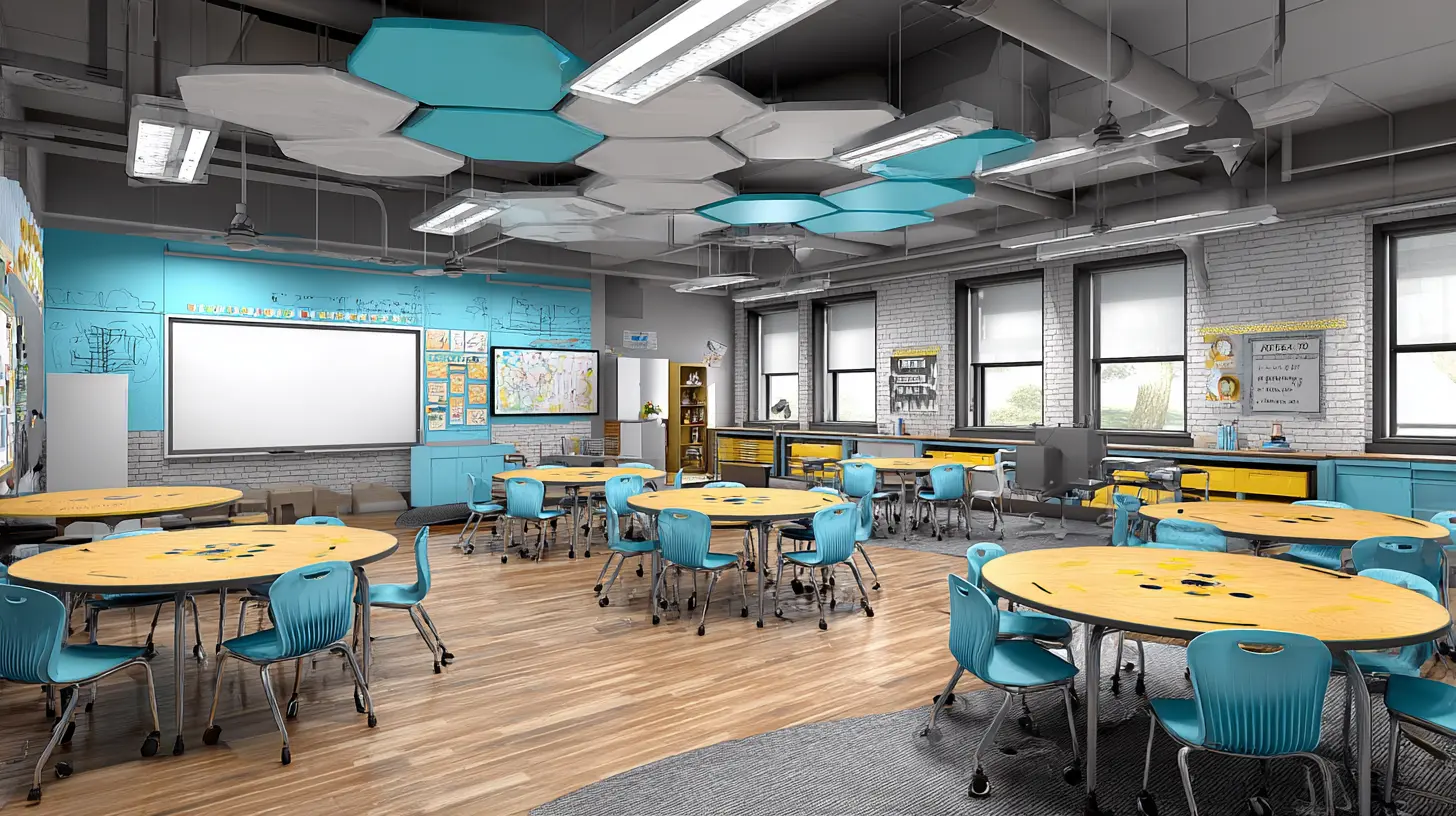
A Blast from the Past: Traditional Classrooms
Let’s take a quick trip down memory lane. Picture this: rows of wooden desks, a teacher at the front, and a blackboard that’s seen more chalk than a beach has seen sand. This was the norm for decades. The traditional classroom was all about control, discipline, and, let’s be honest, a bit of boredom.But why? Why did we think that cramming kids into rigid rows with minimal interaction was the best way to educate? It’s like trying to squeeze a square peg into a round hole—utterly impractical! The traditional design focused on the teacher as the “sage on the stage” while students were mere “listeners in the audience.” Not exactly the recipe for engagement, right?
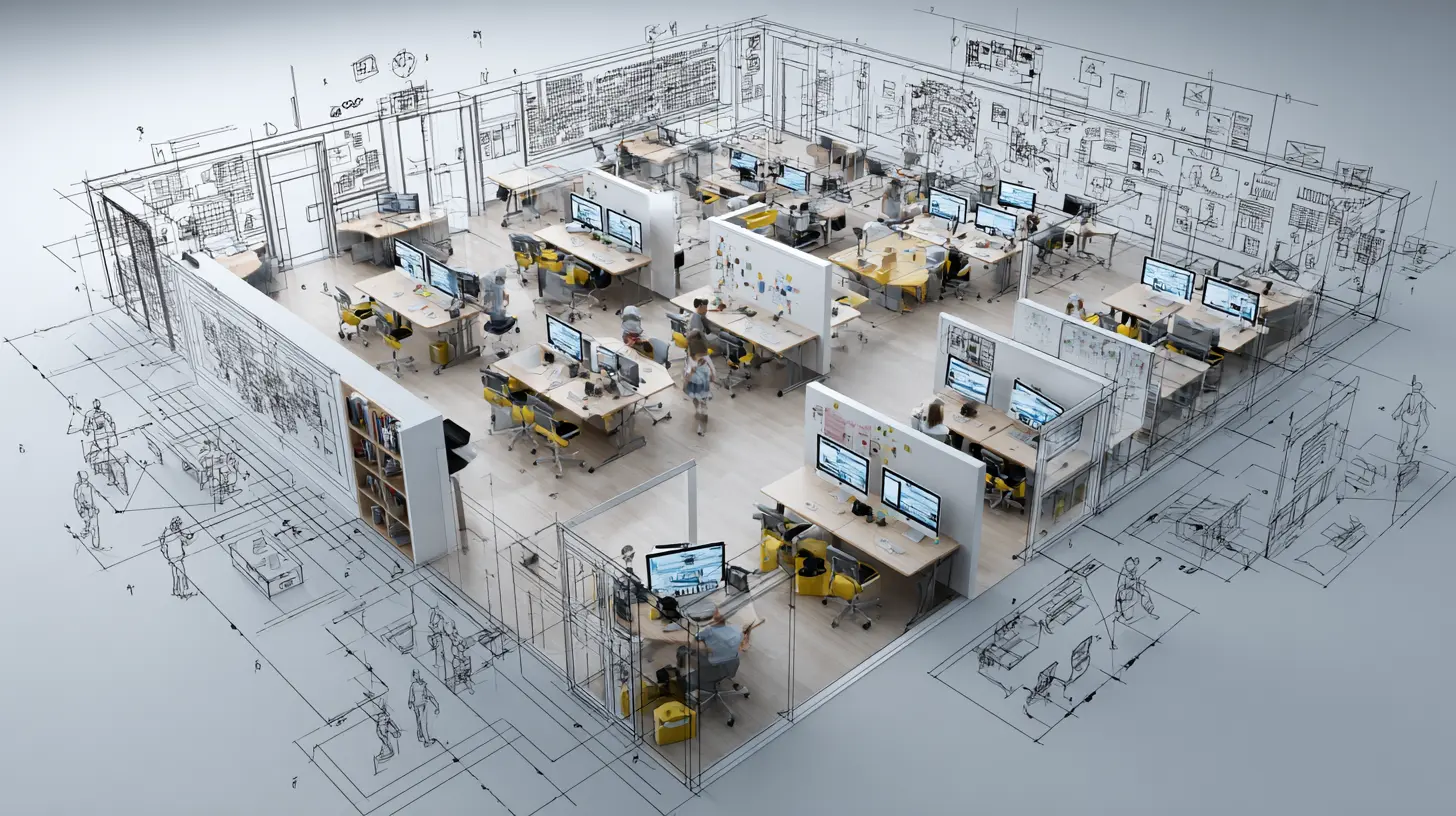
The Shift Begins: Embracing Flexibility
Fast forward to the early 2000s, and we start to see a shift. Enter the era of flexible classroom designs. The idea? Create spaces that encourage collaboration and adaptability. Think about it: wouldn’t you rather learn in a space that feels open and inviting rather than a stuffy box?Designers began to rethink the layout. Desks became movable, chairs were replaced with bean bags, and walls transformed into whiteboards. Suddenly, classrooms weren’t just places to sit and listen; they became dynamic environments where students could interact, collaborate, and—dare I say it—actually enjoy learning.
The Rise of Technology
And then came technology, crashing the party like a rockstar. Interactive whiteboards, tablets, and virtual reality started to invade the classroom. Technology didn’t just enhance learning; it revolutionized it! Picture this: instead of flipping through dusty textbooks, students could explore ancient Rome through a VR headset. Talk about a game-changer!But with great power comes great responsibility. As we embraced technology, we also had to consider how it would fit into our evolving classroom designs. How do we create spaces that not only accommodate tech but also encourage its effective use? It’s like trying to find the perfect outfit for a first date—challenging but oh-so-rewarding when you get it right!
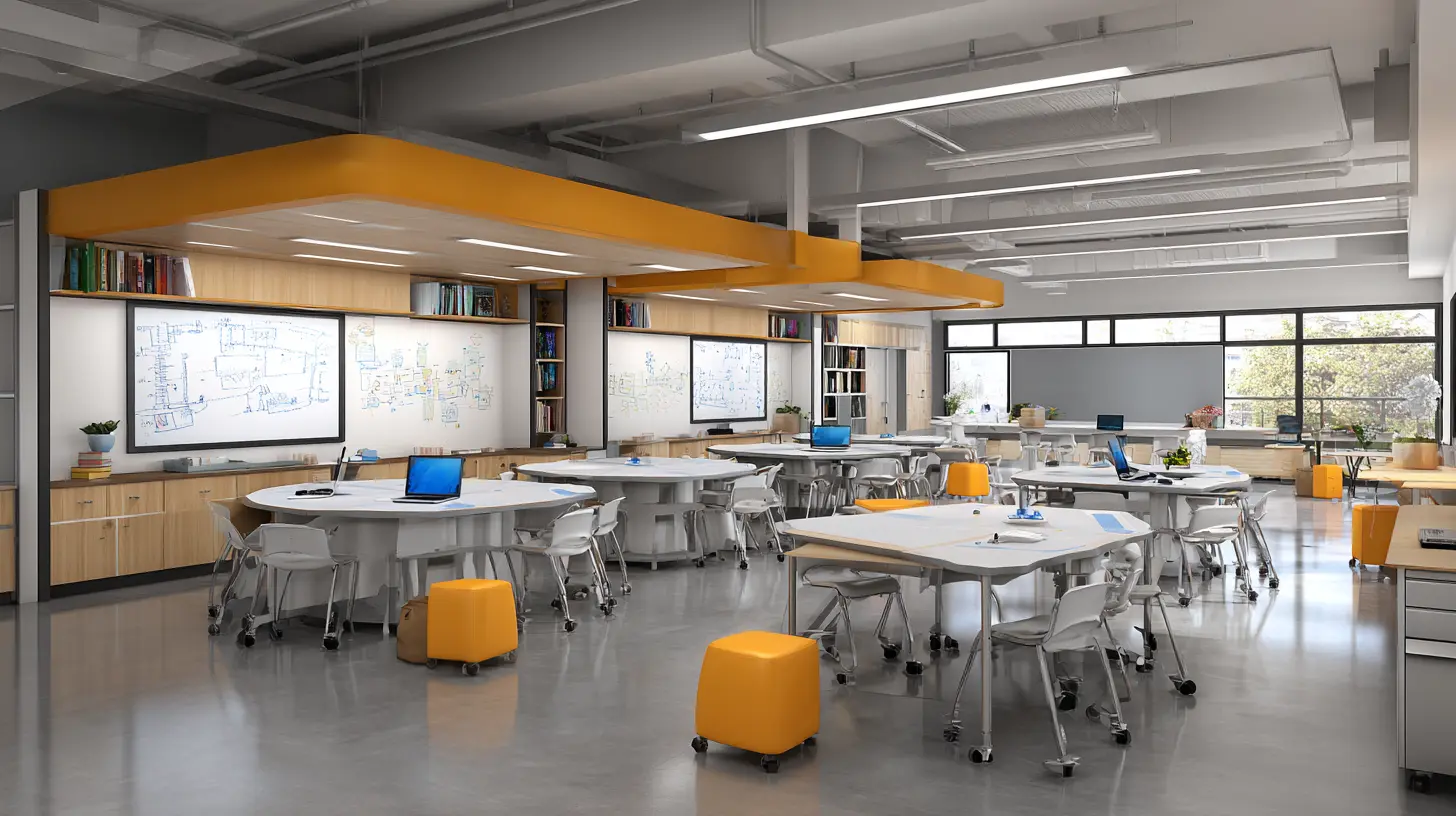
The Classroom of Tomorrow: What to Expect by 2026
Now, let’s get to the juicy part: what’s on the horizon for classroom design by 2026? Buckle up, because it’s going to be a wild ride!1. Biophilic Design: Nature Meets Nurture
You’ve probably heard of biophilic design, right? It’s all about incorporating nature into our built environments. By 2026, expect classrooms to be drenched in natural light, adorned with plants, and perhaps even featuring living walls. Imagine studying in a space where fresh air and greenery are part of the learning experience. It’s like bringing the great outdoors inside!Why is this important? Well, studies show that exposure to nature can enhance creativity, reduce stress, and improve overall well-being. So, not only will students be learning, but they’ll be thriving too! It’s a win-win.
2. Collaborative Learning Spaces
Gone are the days of learning in isolation. By 2026, classrooms will be designed with collaboration at their core. Picture open spaces with movable furniture that can be rearranged for group projects, discussions, or even impromptu dance parties (okay, maybe not the dance parties, but you get the idea).These collaborative spaces will encourage students to work together, share ideas, and engage in meaningful discussions. It’s like turning the classroom into a mini-society where everyone has a role to play. Who wouldn’t want to be part of that?
3. Personalization and Choice
Let’s face it: one size does not fit all. By 2026, classroom designs will prioritize personalization. Students will have the choice to pick their learning environments based on their preferences. Some might thrive in quiet corners with soft lighting, while others may prefer vibrant, bustling areas for group work.Imagine a classroom where students can choose their own adventure—sounds dreamy, right? This kind of personalization not only enhances engagement but also allows students to take ownership of their learning. It’s like being the captain of your own ship, charting your course through the vast ocean of knowledge!
4. The Role of Augmented Reality (AR)
Hold onto your hats, because augmented reality is about to take classroom design to the next level. By 2026, expect AR to be seamlessly integrated into learning spaces. Imagine a classroom where students can interact with 3D models of the solar system or walk through historical landmarks without leaving their seats.This isn’t just a gimmick; AR can deepen understanding and retention. It’s like having a magic portal that opens up new worlds of learning right in front of you. How cool is that?
5. Sustainable Practices
As we look toward 2026, sustainability will be a key player in classroom design. Schools will prioritize eco-friendly materials, energy-efficient systems, and designs that minimize waste. Imagine classrooms built with recycled materials and equipped with solar panels.Not only will this create a healthier environment for students, but it will also teach them the importance of sustainability. It’s like planting the seeds for a greener future—one classroom at a time!
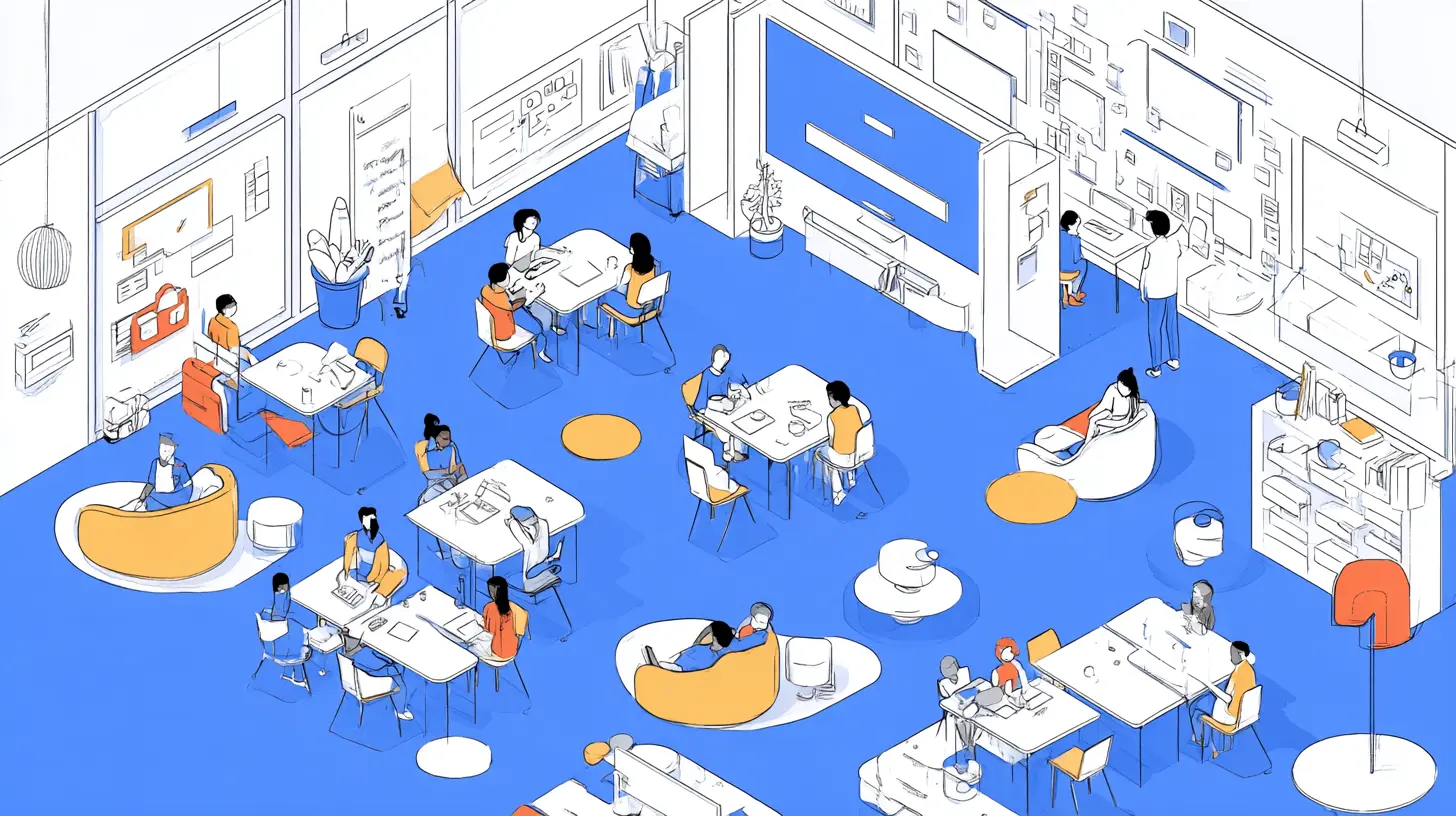
The Importance of Teacher Input
Now, let’s not forget the unsung heroes of the classroom: the teachers. As we evolve classroom designs, it’s crucial to involve educators in the conversation. After all, who knows the needs of students better than the ones who spend hours with them every day?Teachers can provide valuable insights into what works and what doesn’t. They can help shape spaces that foster engagement, creativity, and collaboration. It’s like having a secret weapon in the quest for the perfect classroom design!
Challenges Ahead: Navigating the Transition
Of course, with all this excitement comes challenges. Transitioning to new classroom designs requires funding, training, and a willingness to adapt. It’s like trying to teach an old dog new tricks; it can be done, but it takes time and patience.Schools will have to invest in professional development for teachers, ensuring they’re equipped to utilize new technologies and teaching methods effectively. It’s a big undertaking, but the potential rewards are immense!
Conclusion: A Bright Future Awaits
As we look ahead to 2026, it’s clear that classroom design is on the brink of a major transformation. From biophilic designs that connect students with nature to collaborative spaces that foster teamwork, the future of education is bright and bold.So, whether you’re a student, a teacher, or just someone who loves the idea of a dynamic learning environment, get ready for a revolution in how we think about classrooms. It’s not just about the four walls anymore; it’s about creating spaces that inspire, engage, and empower the next generation of learners.
all images in this post were generated using AI tools
Category:
Education TrendsAuthor:

Monica O`Neal
Discussion
rate this article
2 comments
Joy Hodge
Who knew classrooms would trend like fashion?
June 5, 2026 at 4:51 AM
Monica O`Neal
It's interesting how design impacts learning. Just like fashion, classrooms evolve to meet new needs and inspire creativity.
Abram Larsen
This article insightfully explores how evolving classroom designs can enhance learning and adaptability for future educational needs.
April 27, 2026 at 3:07 AM
Monica O`Neal
Thank you for your kind words! I'm glad you found the article insightful. Classroom design is crucial for fostering adaptability in education.