The Connection Between Growth Mindset and Emotional Intelligence
2 September 2026
Ever wonder why some people seem to bounce back from setbacks stronger than before, while others get stuck in self-doubt? Or why some individuals navigate social situations effortlessly, while others struggle? The answer often lies in two powerful psychological traits: growth mindset and emotional intelligence (EI).
These two qualities shape how we handle challenges, interact with others, and ultimately, succeed in life. But what’s the connection between them? How does having a growth mindset improve emotional intelligence, and vice versa? Let’s dive in and uncover their dynamic relationship. 
What is a Growth Mindset?
A growth mindset, a term popularized by psychologist Carol Dweck, is the belief that abilities and intelligence can be developed through effort and learning. People with a growth mindset see failures as opportunities to improve rather than as personal limitations.Think of it like a muscle—the more you challenge and work on it, the stronger it becomes. Instead of saying, “I’m just not good at math,” someone with a growth mindset would say, “I can get better at math with practice and effort.”
Traits of a Growth Mindset:
✔️ Embraces challenges✔️ Views failure as a learning opportunity
✔️ Believes effort leads to mastery
✔️ Is open to feedback
✔️ Persistently works toward improvement
People who adopt a growth mindset tend to push through obstacles, continuously developing their skills and intelligence rather than accepting their current abilities as fixed. 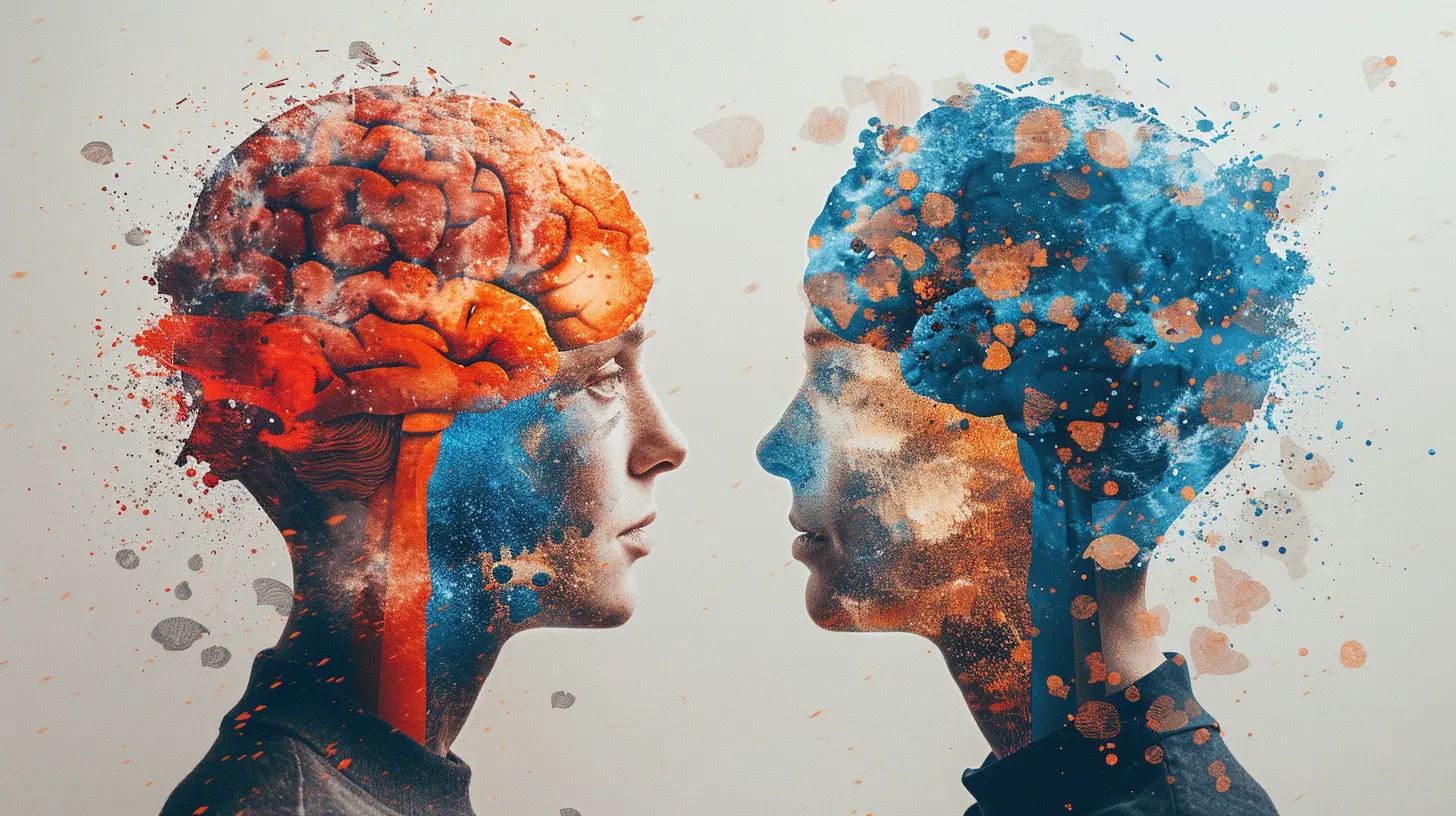
What is Emotional Intelligence?
Emotional intelligence (EI), often referred to as EQ (Emotional Quotient), is the ability to recognize, understand, manage, and influence emotions—both in yourself and in others.Unlike IQ, which measures cognitive abilities, EI focuses on emotional awareness and interpersonal skills. A person with high emotional intelligence can handle social interactions gracefully, manage stress effectively, and empathize with others.
Key Components of Emotional Intelligence (According to Daniel Goleman):
? Self-awareness – Understanding your emotions and their impact? Self-regulation – Controlling impulsive reactions and adapting to change
? Motivation – Harnessing emotions to stay committed to goals
? Empathy – Recognizing feelings in others and responding appropriately
? Social skills – Building and maintaining healthy relationships
People with strong emotional intelligence are typically better at managing conflicts, making well-balanced decisions, and leading with empathy. 
The Powerful Connection Between Growth Mindset and Emotional Intelligence
At first glance, these two might look like separate traits, but they are deeply intertwined. Here’s how:1. Growth Mindset Fuels Self-Awareness
Self-awareness is at the core of emotional intelligence. If you don’t recognize your emotions, how can you manage or improve them?People with a growth mindset naturally reflect on their experiences. When they make mistakes, they analyze what went wrong, rather than blaming external factors. This habit strengthens self-awareness, allowing them to recognize and regulate emotions more effectively.
For example, a student struggling with public speaking might initially feel anxious. With a fixed mindset, they’d think, “I’m just not a good speaker”, and avoid opportunities to improve. But with a growth mindset, they’d say, “I can improve my speaking skills with practice”, making them more aware of their emotional triggers and how to manage them.
2. Emotional Intelligence Enhances Resilience
Resilience—the ability to bounce back from setbacks—is a common trait in individuals with a high growth mindset and emotional intelligence.When faced with failure, emotionally intelligent people don’t let emotions spiral out of control. Instead, they manage their frustration, learn from the experience, and push forward—a classic growth mindset attitude.
Imagine two employees who receive constructive criticism at work.
- The first one, who lacks emotional intelligence and has a fixed mindset, may feel personally attacked and discouraged.
- The second, equipped with emotional intelligence and a growth mindset, would see the feedback as an opportunity to improve, controlling their emotions and approaching the situation with an open mind.
This ability to process feedback without emotional overreaction is where growth mindset and emotional intelligence beautifully overlap.
3. Growth Mindset Encourages Empathy & Better Relationships
Empathy—the ability to understand and share the feelings of others—is a crucial component of emotional intelligence. Interestingly, a growth mindset lays the foundation for stronger empathy.Why? Because individuals with a growth mindset believe in continuous learning and personal development, not just for themselves, but for others as well. They don’t rush to judge someone for failing but instead recognize that everyone is in a state of growth and learning.
For example, in leadership:
- A boss with a fixed mindset may think: "This employee is bad at their job—there's no fixing it."
- A boss with a growth mindset and emotional intelligence would think: "This employee struggles in this area, but with the right support and training, they can improve."
This mindset creates a supportive, empathetic environment where people feel encouraged rather than discouraged.
4. Self-Regulation Strengthens Growth Mindset
Do you ever feel like giving up when things get tough? That’s where self-regulation, a key aspect of emotional intelligence, helps sustain a growth mindset.Self-regulation refers to:
- Controlling emotions instead of acting impulsively
- Adapting to challenges without overwhelming stress
- Staying composed under pressure
People with strong emotional intelligence are better at managing frustration and staying motivated, which allows them to maintain a growth mindset even when progress is slow.
For example, an athlete training for a marathon needs to manage both physical endurance and emotional setbacks. If they get discouraged every time they fail to hit a goal, they may quit. But by regulating their emotions and staying focused on long-term improvement, they keep pushing forward.
Thus, emotional intelligence is like a fuel source that keeps the engine of a growth mindset running. 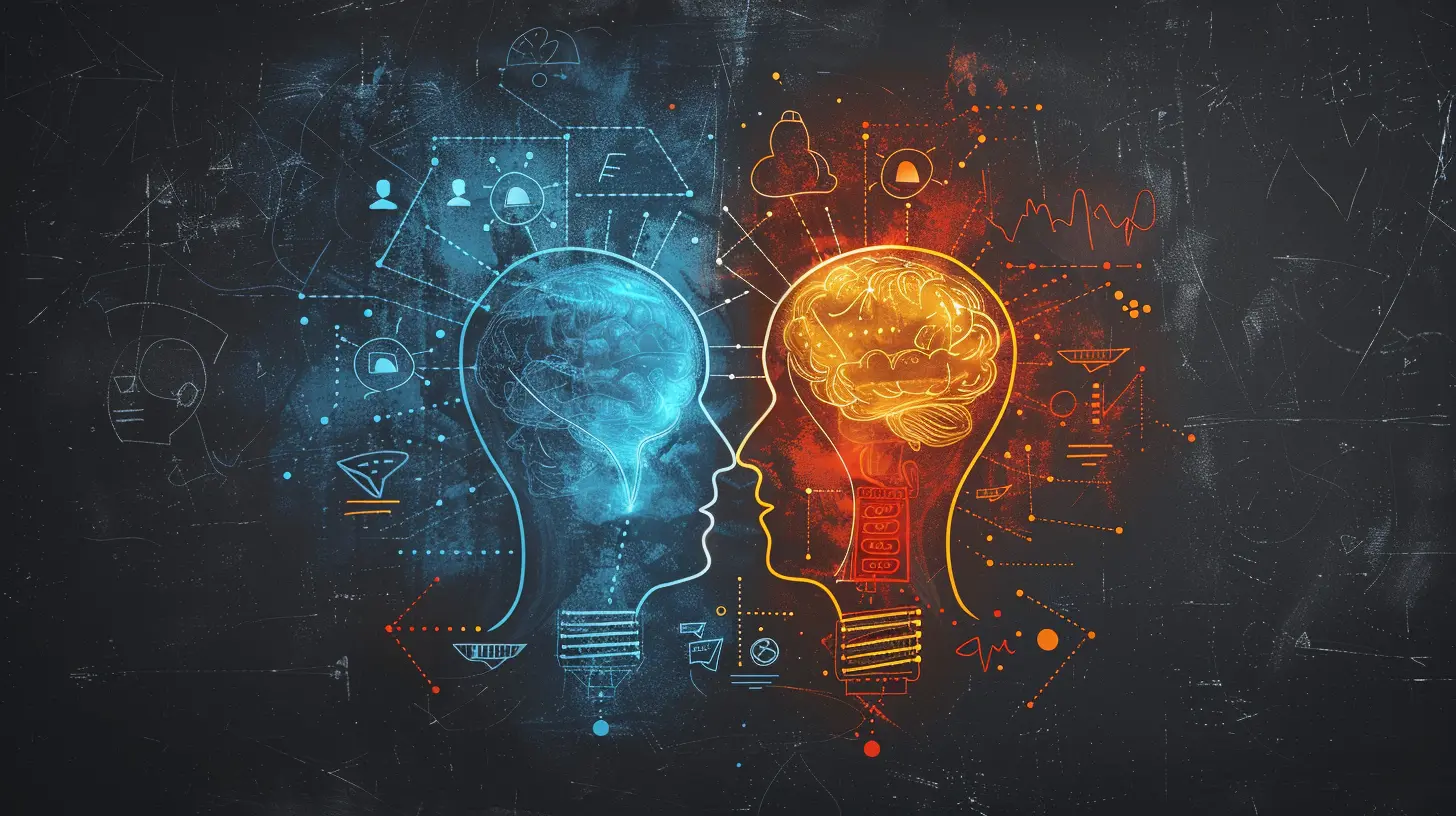
How to Develop Both Growth Mindset and Emotional Intelligence
Good news—both of these traits can be learned and developed over time! Here’s how you can strengthen them:1. Embrace Challenges Instead of Avoiding Them
Each challenge is an opportunity to grow. Instead of fearing failure, view it as a stepping stone to success.2. Practice Self-Reflection
Ask yourself: “How did I react to that situation, and how could I handle it better next time?” This builds both self-awareness (EI) and adaptability (growth mindset).3. Reframe Negative Thoughts
Instead of saying: “I’m just not good at this,” say: “I’m not good at this… yet.” The way you talk to yourself matters!4. Cultivate Empathy
Make an effort to understand others’ emotions, challenges, and perspectives. Active listening and open conversations can significantly improve emotional intelligence.5. Seek Feedback and Act on It
Instead of dreading constructive criticism, welcome it as a tool for growth.Final Thoughts
Growth mindset and emotional intelligence aren’t just buzzwords—they’re powerful forces that shape how we navigate challenges, relationships, and personal development.By fostering both, you’ll not only enhance your resilience and adaptability but also build stronger relationships and handle emotions with greater control. The best part? Both are skills you can develop with practice.
So, next time you face a setback, ask yourself: Am I reacting with a fixed mindset, or am I embracing the opportunity to grow? Chances are, shifting your mindset will also improve your emotional intelligence—helping you thrive in both personal and professional life.
all images in this post were generated using AI tools
Category:
Growth MindsetAuthor:

Monica O`Neal
Discussion
rate this article
2 comments
Gisela Snyder
In the dance of growth and feeling, wisdom blooms. A growth mindset nurtures resilience, while emotional intelligence shapes our hearts. Together, they weave a tapestry of understanding, guiding us through challenges and illuminating our paths. Embrace this connection; let it inspire your journey forward...
September 9, 2026 at 3:09 AM
Monica O`Neal
Thank you for capturing the essence so beautifully. Embracing both growth and emotional intelligence truly creates a powerful path for personal development.
Lisa McFadden
I loved this article! It really highlights how a growth mindset can enhance emotional intelligence. Understanding our emotions and those of others is key to personal and professional growth. This connection offers practical insights for anyone looking to improve their relationships and self-awareness.
September 6, 2026 at 3:15 AM
Monica O`Neal
Thanks for your thoughtful comment! I'm glad you found the connection between growth mindset and emotional intelligence valuable. It really can transform our relationships and self-awareness.