Strategies for Preventing Injuries in PE Classes
28 May 2026
Physical Education (PE) is all about getting students up, active, and engaged in healthy movement. Whether it’s a game of soccer, a round of tag, or a stretching session, it’s designed to instill lifelong habits of physical fitness and fun. But here’s the thing—along with all that movement comes a risk of injury. And nobody wants a sprained ankle or pulled muscle turning an exciting game into a trip to the nurse’s office.
So, how do we strike the right balance between physical activity and safety? In this guide, we’re diving deep into the best strategies for preventing injuries in PE classes—without taking the fun out of the experience.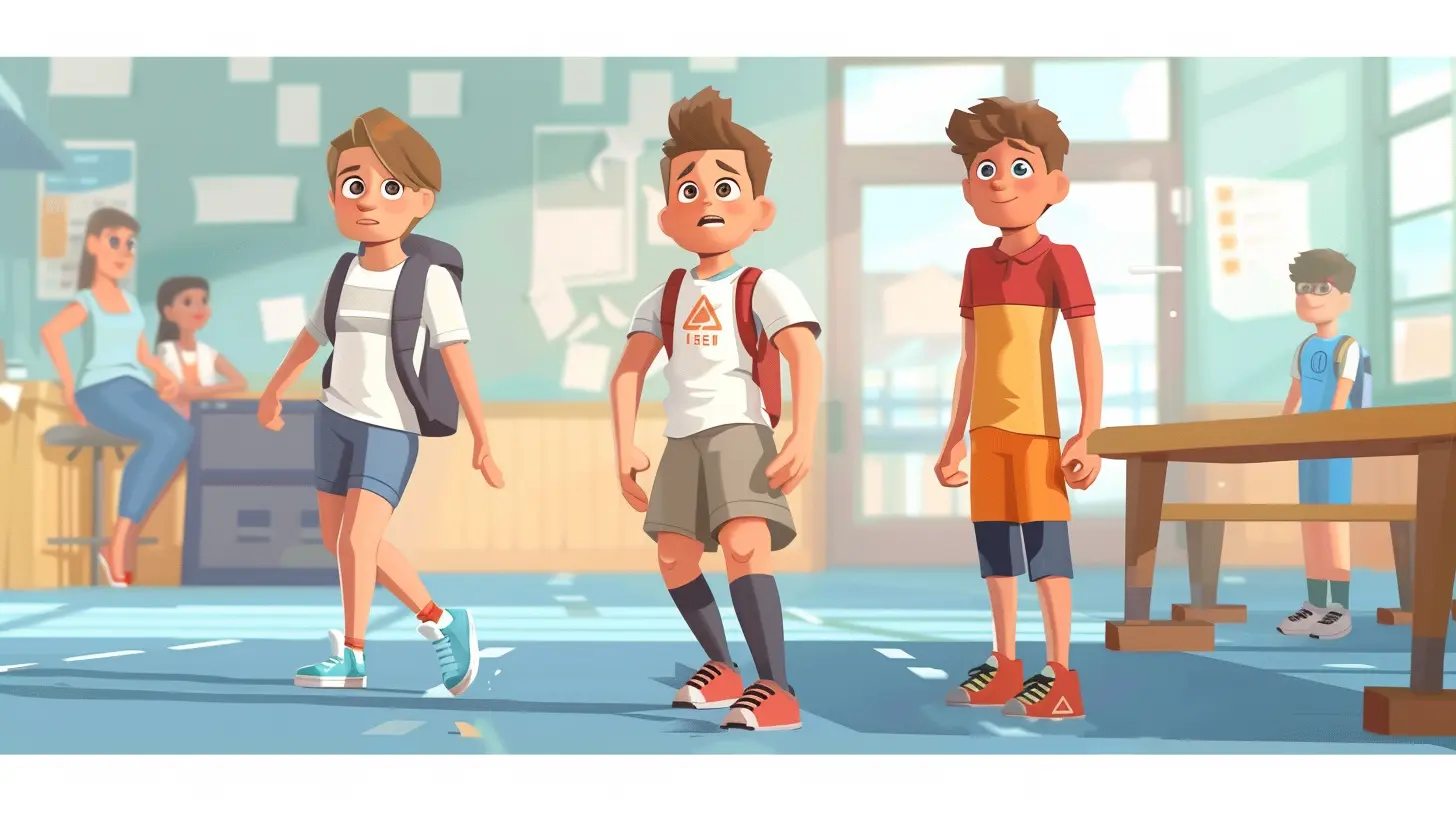
Why Injury Prevention in PE Matters
Think of the body as a machine. Just like any piece of equipment, if it’s not used properly or maintained well, it’s bound to break down. That’s exactly what happens with students in PE when precautions aren’t taken. And we're not just talking about bruises or bumps—a serious injury could sideline a student from not only class but other school activities as well.Beyond the physical pain, injuries can also hurt a student’s confidence and interest in physical activity. That’s the last thing we want when trying to foster a love for fitness, right?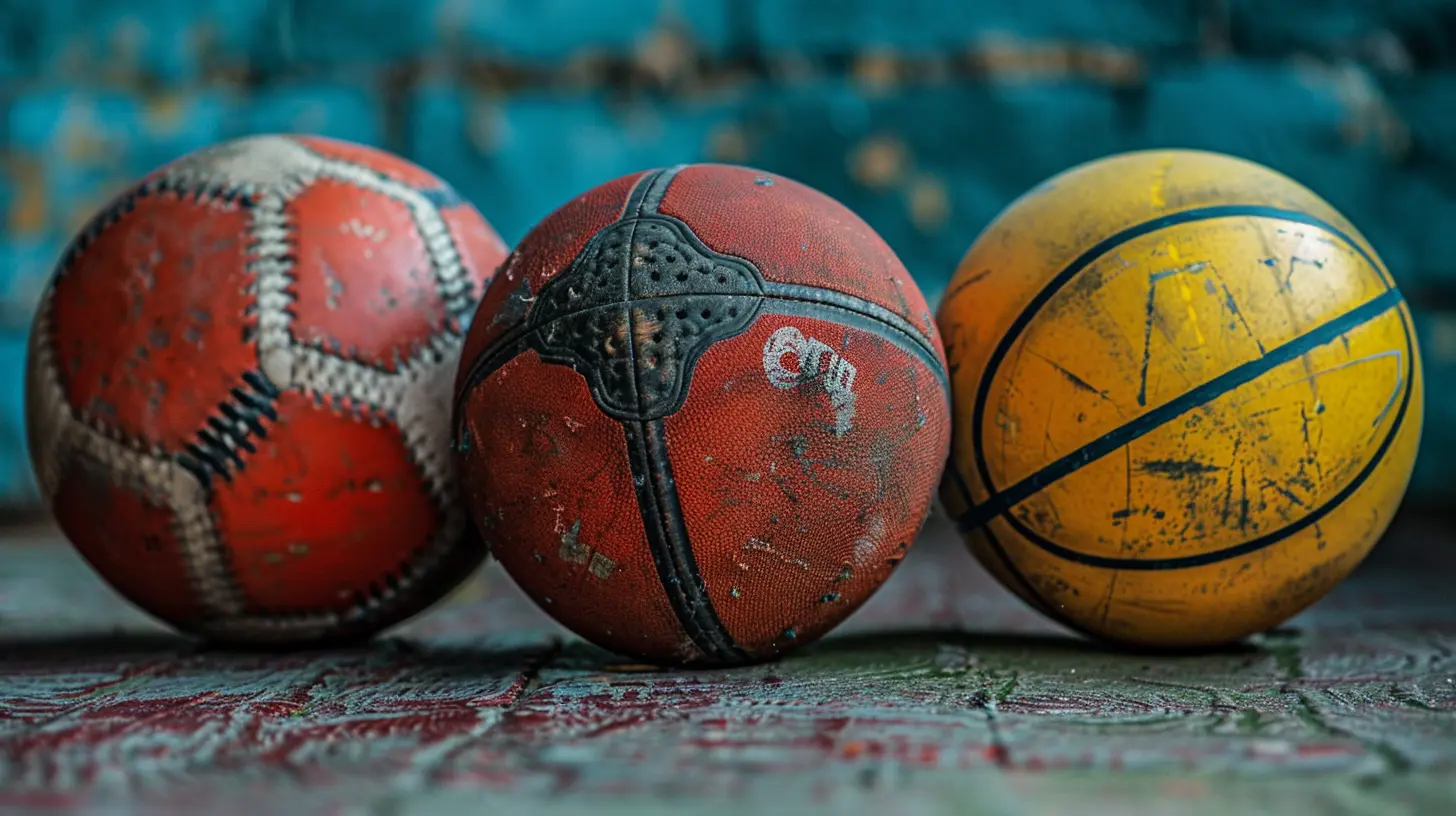
Common Injuries in PE Classes
Before diving into prevention, let’s look at what we’re dealing with. PE-related injuries can vary, but here are some of the usual suspects:- Sprains and strains – Twisted ankles or pulled muscles often happen during quick movements.
- Fractures – Usually from falls or collisions.
- Bruises and contusions – From bumps into equipment or other classmates.
- Cuts and scrapes – Especially in outdoor environments.
- Head injuries – Unfortunately, these can be serious, and often result from falls or being accidentally hit by a ball.
Knowing what can go wrong helps you plan how to avoid it.
1. Proper Warm-Ups and Cool-Downs
Let’s start with the basics—a good ol’ warm-up. You wouldn’t start your car and drive at top speed instantly, right? The body needs the same courtesy.Why Warm-Ups Matter
Warming up increases blood flow to muscles, gradually raises heart rate, and preps the body for action. It also improves coordination and focus, which means fewer clumsy mishaps. A good warm-up includes dynamic stretches, light cardio (like jogging in place), and sport-specific movements.Don’t Skip the Cool-Down
Just as important is the cool-down. Think of it as the body’s way of shifting gears back to rest. Light stretching and deep breathing help prevent muscle tightness and reduce the risk of soreness or injury the next day.
2. Teaching Proper Technique
Never assume students know how to do something just because it looks simple. Running, jumping, lifting—even stretching—have right and wrong ways. Using incorrect techniques puts strain on the body and leads to injury.Demonstrate, Then Observe
As a PE teacher or coach, always demonstrate activities first. Then, as students try it themselves, observe closely and correct mistakes kindly. For example, during squats, are their knees going past their toes? That’s a red flag for future knee issues.3. Use Age-Appropriate Activities
A 7-year-old and a 17-year-old have very different bodies and skillsets. Expecting younger kids to perform intense drills or complex movements designed for older students is a recipe for disaster (and a visit to the school nurse).Keep It Realistic
Design your PE program to match the physical and cognitive development of your students. If kids find activities too challenging, they’re more likely to use poor form—or worse, give up altogether.4. Ensure Proper Supervision
Let’s face it—kids get excited. That’s part of the fun! But it also means they’re more likely to goof off or take risks when no one is watching.Eyes on Everyone
During activities, position yourself so you can see all students. Rotate frequently, stay alert, and be proactive in addressing risky behavior. If needed, use peer leaders or assistants to help manage larger groups.5. Use Safe and Well-Maintained Equipment
Old or damaged equipment is basically a trap waiting to spring. Whether it’s a frayed jump rope, a flat basketball, or cracked protective gear, it won’t perform like it should—and students can get hurt.Regular Safety Checks
Do routine inspections of all PE equipment. Replace anything worn or broken. Make sure students are using the right gear for the activity (helmets, padding, proper shoes) and that it fits correctly.6. Create a Safe Physical Environment
Even the cleanest gym floor can become a danger zone if you’re not careful. Spilled water, uneven turf, or cluttered gym spaces can easily cause slips and falls.Keep the Area Tidy
Before starting any class, give the area a once-over. Remove obstacles, look for hazards, and make sure surfaces are dry and safe. Also, make sure indoor courts and fields are properly marked and have enough space to avoid collisions.7. Encourage Open Communication
Sometimes, students feel pressure to play through pain or keep quiet about an injury to avoid embarrassment or missing out. That mindset can turn a small issue into a big problem fast.Foster a Speak-Up Culture
Let students know it’s okay to say, “I’m hurt” or “This doesn’t feel right.” Reward honesty and emphasize that safety comes before performance. That simple shift can prevent many injuries—and build trust.8. Incorporate Functional Strength and Flexibility Training
No, this doesn’t mean turning your PE class into a boot camp. But building strength and flexibility helps prevent strains and sprains. Think of it like adding shock absorbers to a car—it helps the body handle stress.Make It Fun
Use games and challenges to sneak in core strengthening, balance exercises, and flexibility drills. Yoga poses, resistance bands, or animal-movement games (like crab walks and bear crawls) offer great low-impact ways to build solid bodies.9. Educate Students on Injury Prevention
You know the saying: Teach a person to fish… it applies here too. If students understand why certain rules and movements keep them safe, they’re more likely to follow them.Keep It Interactive
Instead of just telling them what not to do, involve students in discussions. Ask questions like, “What do you think could happen if we skip stretching?” Use visuals, role-playing, or even student-led demos to make the learning stick.10. Have a Clear Injury Response Plan
Sometimes, unfortunately, even with all precautions, injuries still happen. Being prepared can make all the difference in how severe the outcome is.Be Ready to Act
Have a first aid kit on hand, and make sure you’re trained in CPR and basic first aid. Know the school’s emergency protocols and ensure students know what to do in case of an injury (e.g., alerting a teacher, staying calm, not moving the injured person).Keep emergency contact info updated and accessible. A quick, effective response can prevent complications and show students you’ve got their back.
11. Rotate High-Impact Activities
Doing the same motions over and over is a fast-track to overuse injuries. Think of it like bending a paperclip repeatedly—it eventually snaps.Mix Things Up
Rotate between high and low-impact activities throughout the week. If students did a lot of running one day, follow it up with swimming or yoga the next. Cross-training helps different muscle groups recover and reduces the chance of repetitive stress injuries.12. Promote Good Hydration and Nutrition
Would you expect a car to run without fuel? Our bodies are no different. Without proper hydration and nutrition, muscles become less flexible and more prone to injury.Make It a Habit
Encourage students to drink water before, during, and after PE. Talk briefly about how eating fruits, veggies, and protein can help their bodies recover and grow stronger. It doesn’t have to be a health lecture—just drop in little “did you know?” facts throughout the week.Wrapping It Up: Safety First, Always
At the end of the day, PE should be about building healthy habits, not hospital visits. With some thoughtful planning, constant monitoring, and student involvement, injuries can be drastically reduced without sacrificing the energy and excitement that make PE so great.Remember—movement is medicine, but only if taken in the right dose with a safety label on it.
So, next time you're gearing up for class, keep these strategies in mind. Your students’ bodies (and their future selves) will thank you.
all images in this post were generated using AI tools
Category:
Physical EducationAuthor:

Monica O`Neal
Discussion
rate this article
1 comments
Selina Clayton
This article presents essential strategies that emphasize proactive measures in physical education classes. By prioritizing proper warm-ups, ensuring equipment safety, and promoting awareness of individual limitations, educators can create a healthier environment that reduces the risk of injuries among students.
June 1, 2026 at 4:18 AM
Monica O`Neal
Thanks for your feedback! I'm glad you found the strategies helpful for promoting safety and well-being in PE classes.