Rural Education Solutions Emerging by 2026
30 April 2026
Let’s be honest for a second. If you’ve ever tried to teach a class in a village where the internet is a myth, the power cuts are scheduled like clockwork, and the nearest library is a two-hour bus ride away, you know the struggle is real. Rural education isn’t just about a lack of resources; it’s about a chasm of opportunity. But here’s the thing—by 2026, that chasm is starting to look a lot narrower. We’re not waiting for some distant utopia. Real, tangible, and frankly clever solutions are already sprouting in the most unexpected places. So, grab a cup of coffee (or chai, if that’s your vibe), and let’s walk through the landscape of what’s actually changing. No fluff, just the real deal.

The Connectivity Conundrum: From Dead Zones to Data Oases
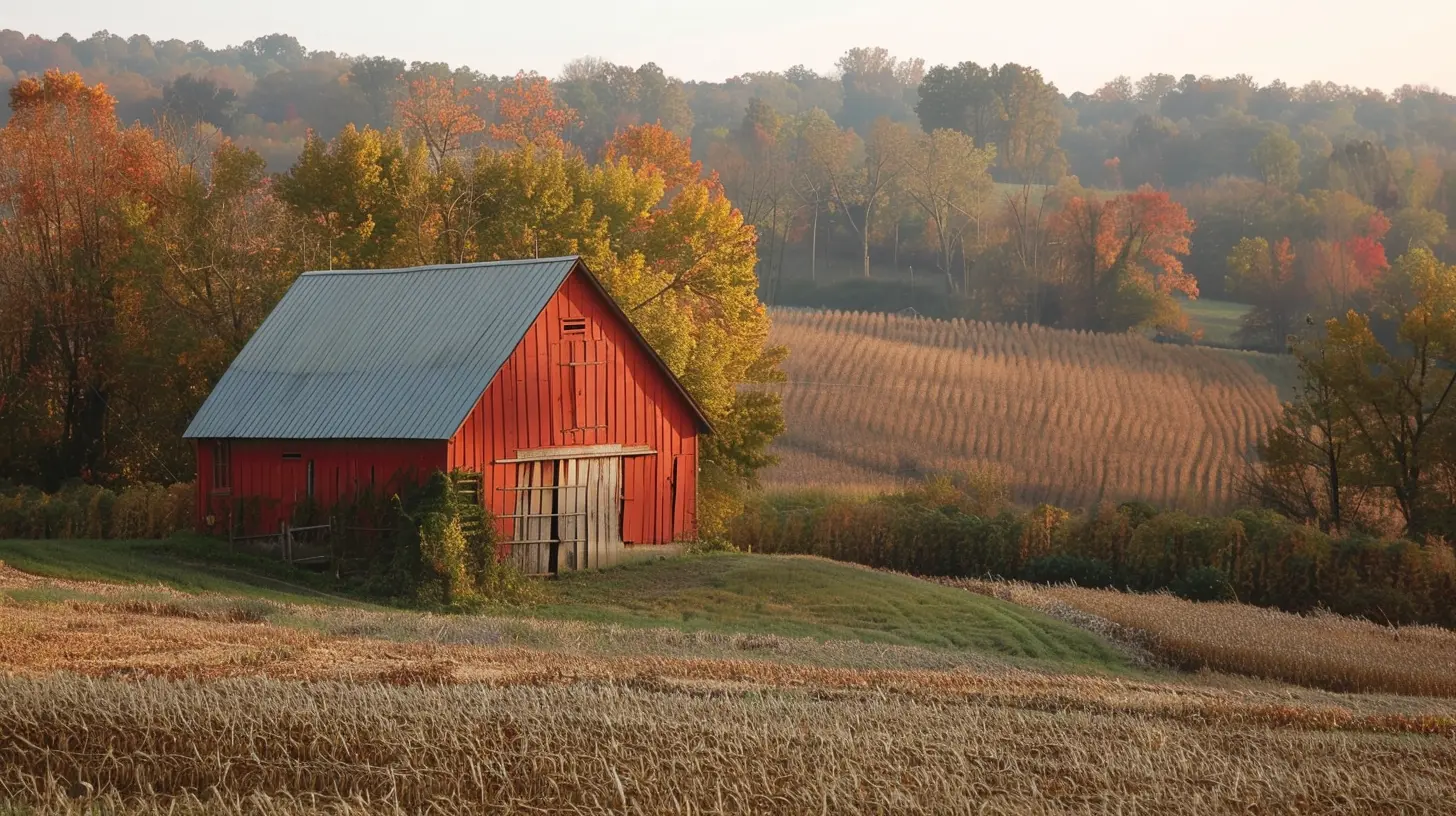
You can’t talk about rural education without staring down the beast of connectivity. For years, the narrative was simple: “No internet, no learning.” But by 2026, we’re flipping that script. It’s not about waiting for fiber optics to reach every dusty lane. Instead, we’re seeing a shift toward offline-first technology and mesh networks.Think of it like a village water pump. You don’t need a full plumbing system in every house; you just need a central, reliable source that everyone can access. Similarly, community hubs equipped with low-earth orbit (LEO) satellite internet—think Starlink or similar competitors—are becoming the new norm. A single school or panchayat building acts as a node, broadcasting educational content over a local Wi-Fi mesh that works even when the main line goes down.
But here’s the kicker: the content itself is getting smarter. By 2026, we’ll see a massive rise in adaptive learning platforms that work offline. Imagine a tablet that syncs once a week, downloads lessons based on the student’s previous performance, and then lets them learn without ever needing a live connection. It’s like having a tutor in your pocket who doesn’t care if you’re in a valley or on a hilltop. The solution isn’t just “more internet”; it’s “smarter use of intermittent internet.”
Rethinking the Classroom: The Rise of Micro-Schools and Learning Pods
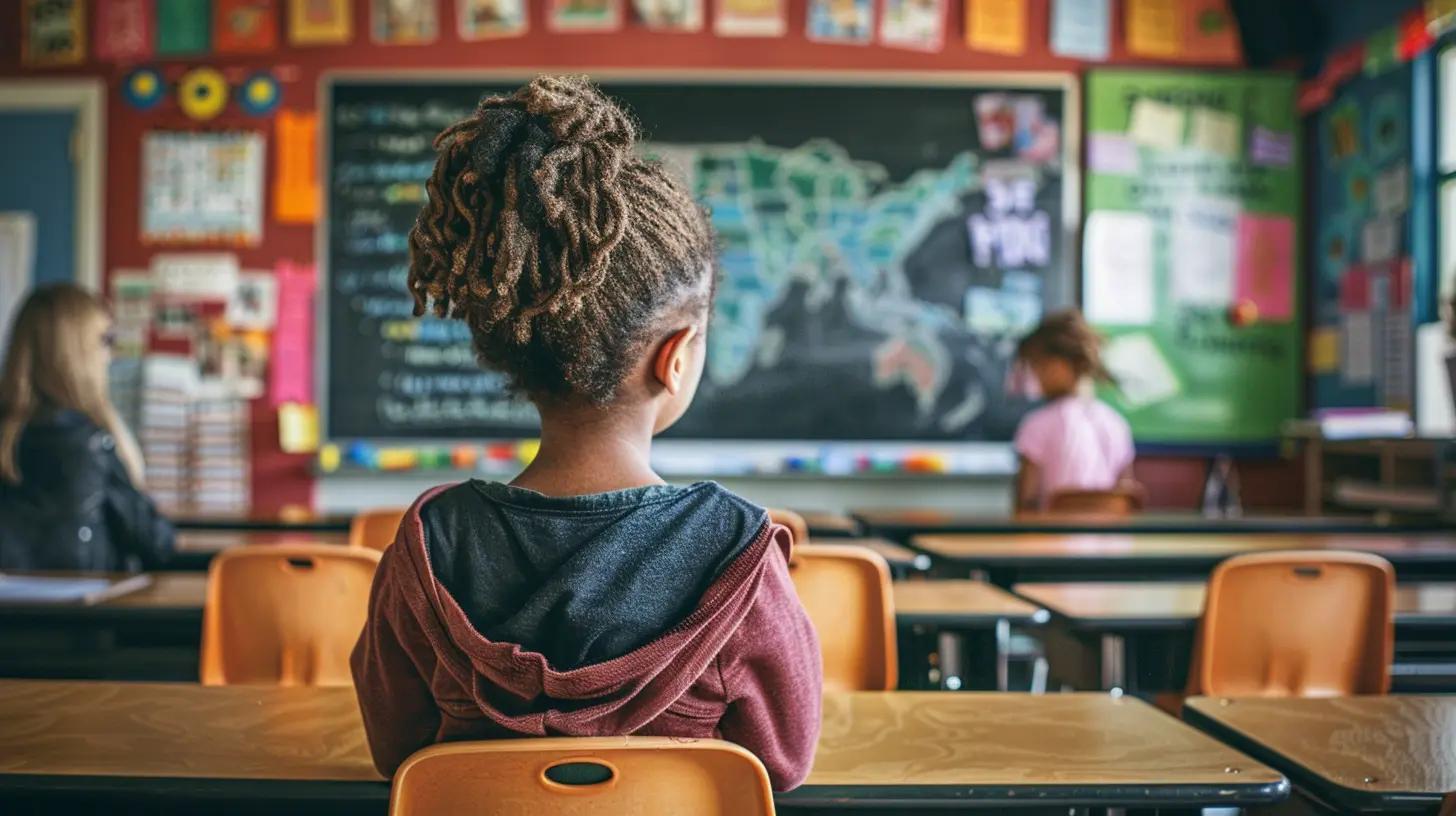
Let’s face it: the traditional one-room schoolhouse is romanticized but often inefficient. You’ve got kids from age 6 to 14 in the same room, one teacher, and a curriculum that fits no one perfectly. By 2026, we’re moving past that model. Enter micro-schools and learning pods.This isn’t a new concept, but the tech is making it scalable. A micro-school might have just 10 to 15 students, but it’s hyper-local. Instead of a teacher trying to be a jack-of-all-trades, we’re seeing specialized remote instructors beam in for specific subjects. A math expert from Mumbai or even a retired engineer from the US can teach a geometry lesson via a simple projector and a speaker system. The local teacher becomes a facilitator, a guide, a mentor.
Why does this work? Because it respects the community. You’re not yanking kids out of their environment. You’re bringing the world to their doorstep. It’s like turning every village into a tiny university campus, where the “hall” is a repurposed community center and the “professors” are a mix of local wisdom and global expertise. By 2026, expect these pods to be the backbone of rural education, not the exception.

The Teacher Crisis: Solving It with AI and Peer Learning
We all know the dirty secret: rural areas struggle to keep good teachers. The pay is low, the isolation is high, and the burnout is real. By 2026, we’re not going to magically conjure up thousands of qualified teachers willing to move to remote villages. Instead, we’re going to augment the ones we have.AI-assisted lesson planning is the unsung hero here. Imagine a platform where a teacher types in, “I need a lesson on photosynthesis for a mixed-age group with limited lab equipment.” The AI doesn’t just spit out a textbook page; it generates a hands-on activity using local materials—like using a leaf and a glass jar to demonstrate oxygen production. It provides real-time translation for multilingual classrooms and even suggests questions to check for understanding.
But here’s the human twist: peer-to-peer learning networks are exploding. By 2026, we’ll see formalized systems where students in rural areas are paired with urban “buddies” for weekly video calls. It’s not just about tutoring; it’s about exposure. A kid in a farming village can show a city kid how to cultivate a seed, while the city kid explains how to code a simple game. The line between teacher and student blurs, and suddenly, everyone is learning.
The Infrastructure Hack: Solar-Powered School Buses and Mobile Labs
Let’s talk about the physical stuff. Rural roads are bad. Buses are unreliable. Parents often can’t afford to send kids to school because they need them for farm work. By 2026, we’re seeing a clever workaround: the school comes to them.Imagine a repurposed bus, fitted with solar panels on the roof, a fold-out awning for shade, and a dozen tablets inside. This is a mobile learning lab. It parks in a central village spot for three days, then moves to the next village. It’s not a permanent school; it’s a learning accelerator. Kids get intensive, project-based sessions on coding, science experiments, or even financial literacy. When the bus leaves, the local teacher follows up with offline activities.
And it’s not just buses. Solar-powered backpacks are becoming a thing. A child carries a bag with a small solar panel that charges a built-in tablet overnight. By morning, it’s ready for a full day of learning, even if the village has no electricity. It’s a simple hack, but it’s revolutionary for a kid who used to study by candlelight.
Curriculum Overhaul: From Rote to Relevant
Here’s a hard truth: the old curriculum was designed for an industrial age. It doesn’t work in a rural context where the future is about entrepreneurship, climate resilience, and digital literacy. By 2026, we’re seeing a curriculum that’s rooted in local reality.Instead of memorizing the capital of every country, students might learn about soil health, water conservation, and basic accounting for a small business. English is taught through practical conversations about selling produce at the market. Math is taught through calculating crop yields or interest on a microloan. It’s not dumbing it down; it’s making it stick.
Why does this matter? Because relevance drives retention. If a student sees that learning percentage can help their family negotiate a better price for their harvest, they’re going to pay attention. By 2026, expect more rural schools to adopt a “spotlight” model—where the first half of the day is core academics, and the second half is hands-on vocational or environmental projects tied to the local economy.
The Role of Gamification and Edutainment
Let’s be real: kids want to play. Fighting that instinct is like trying to stop a river. By 2026, we’re not fighting it; we’re riding it. Gamified learning platforms are becoming the norm, even in low-tech environments.Think about it: a simple mobile game that teaches fractions through dividing a virtual pizza. A board game that teaches history through a treasure hunt. By 2026, we’ll see a surge in low-bandwidth, high-engagement games that run on basic phones. These aren’t flashy, graphics-heavy beasts. They’re text-based adventures, puzzle games, and simulation apps that reward progress with points, badges, and even real-world incentives (like a free meal at school).
And let’s not forget radio and podcast-based education. In many rural areas, radio is still king. By 2026, interactive radio instruction (IRI) will be smarter. Students listen to a story, then pause to answer questions via SMS or a simple app. It’s like having a classroom in the air. It’s cheap, it’s scalable, and it works.
Community Ownership: The Secret Sauce
Here’s the part most people miss. You can drop all the technology in the world into a village, but if the community doesn’t own it, it will gather dust. By 2026, the most successful rural education solutions will be the ones that empower local stakeholders.We’re seeing a rise in “parent-teacher-entrepreneur” councils. These aren’t just PTA meetings; they’re decision-making bodies that choose the curriculum, hire the facilitators, and manage the budget. When a village invests its own time and money (even if it’s a small amount), the stakes are higher. The kids see that education is a community priority, not just something the government forces on them.
A great example is the “school as a hub” model. The school building isn’t just for kids from 8 AM to 2 PM. In the evenings, it becomes a adult literacy center. On weekends, it’s a digital skills workshop for farmers. By 2026, the school is the beating heart of the village, not a separate island. This creates a virtuous cycle: parents learn, kids learn, and the community thrives.
Mental Health and Wellbeing: The Overlooked Piece
We can’t talk about solutions without addressing the elephant in the room: mental health. Rural students face unique pressures—poverty, family expectations, isolation. By 2026, we’re seeing a push for integrated wellbeing programs.This isn’t about hiring a full-time therapist (which is unrealistic). It’s about training local teachers to recognize signs of distress. It’s about incorporating mindfulness and emotional regulation into the daily routine. Simple practices like a “check-in circle” at the start of the day, where students share how they’re feeling, can transform the classroom culture.
Moreover, peer counseling is becoming formalized. Older students are trained to mentor younger ones. It’s like a buddy system, but with structure. By 2026, rural schools will have “wellbeing corners”—a quiet space with cushions, books, and a simple audio device for guided meditations. It’s low-tech, high-impact.
The Funding Puzzle: Creative Financing for the Future
Let’s talk money. Rural education solutions don’t grow on trees. By 2026, we’re moving away from the “wait for the government grant” model. Instead, we’re seeing blended finance and social impact bonds.Here’s how it works: a private company or NGO invests in a rural education program. They don’t get paid back unless the program shows measurable outcomes—like improved test scores or higher graduation rates. This aligns everyone’s interests. The investors want results, so they provide better resources. The schools want results, so they use the resources wisely.
Additionally, micro-donations are being aggregated through mobile apps. A person in a city can sponsor a specific child’s education for a year for the price of a few cups of coffee. By 2026, these platforms will be more transparent, showing donors exactly how their money is spent. It’s like crowdfunding, but for a child’s future.
The Digital Divide: Narrowing, Not Closing
I’ll be straight with you: by 2026, we won’t have closed the digital divide completely. That’s a long-term goal. But we will have narrowed it significantly. The key is asymmetric connectivity—where rural areas get what they need, not what urban areas have.For example, a student in a village might not have a laptop, but they might have a shared tablet at the school. They might not have 4G, but they have a weekly data dump via a drone that flies over the village. It’s about meeting people where they are. By 2026, the narrative will shift from “the digital divide” to “the digital bridge.”
A Glimpse into 2026: A Day in the Life
Let’s paint a picture. It’s 2026. A 12-year-old girl named Priya lives in a village in Rajasthan. She wakes up at 6 AM. Her solar-powered tablet is fully charged. She logs into her offline learning app and completes a math quiz. The app adapts to her mistakes, giving her extra practice on fractions. At 8 AM, she walks to the community learning pod—a repurposed building with a projector and a mesh Wi-Fi connection.Her teacher, a local woman named Anjali, starts the day with a mindfulness exercise. Then, a remote instructor from Delhi beams in for a science lesson on renewable energy. The lesson uses examples from her village—solar pumps and biogas plants. In the afternoon, Priya works on a group project: designing a low-cost water filter using clay and sand. Her peer buddy in Mumbai helps her via a pre-recorded video message.
After school, the building transforms. At 4 PM, her father attends a session on digital banking. At 6 PM, her mother learns to read using a simple app. By 2026, education isn’t a separate activity; it’s woven into the fabric of daily life. And Priya isn’t just learning—she’s thriving.
Challenges That Remain
I’d be lying if I said it’s all smooth sailing. By 2026, we’ll still face hurdles. Teacher resistance to technology is real. Cultural barriers around girls’ education persist in some regions. Political instability can disrupt programs. And let’s not forget maintenance—a solar panel is useless if no one knows how to fix it.But the difference is that we now have a playbook. We know what works: community involvement, low-tech hacks, adaptive learning, and a focus on relevance. The solutions emerging by 2026 aren’t perfect, but they’re practical. They’re built by people who understand the ground reality, not by bureaucrats in air-conditioned offices.
The Bottom Line
Rural education isn’t a problem to be solved; it’s a garden to be cultivated. By 2026, we’re planting seeds that will bear fruit for decades. The solutions are diverse, grassroots-driven, and surprisingly high-tech in a low-tech way. From solar-powered backpacks to AI-assisted lesson plans, from micro-schools to mobile labs, the future is already here. It’s just not evenly distributed—yet.So, if you’re an educator, a policymaker, or just someone who cares about equality, take heart. The tools are emerging. The momentum is building. And by 2026, the phrase “rural education” will no longer be synonymous with “disadvantage.” It will be synonymous with “innovation.”
Are you ready to be part of that change? Because the clock is ticking, and the revolution is already underway.
all images in this post were generated using AI tools
Category:
Education TrendsAuthor:

Monica O`Neal
Discussion
rate this article
2 comments
Jillian Hurst
Innovative approaches to rural education could bridge gaps and enhance learning opportunities for students.
July 14, 2026 at 4:48 AM
Monica O`Neal
Absolutely, innovative strategies are key to transforming rural education and ensuring all students have access to quality learning. Exciting times ahead!
Nyx Stone
This article offers a compelling look into the future of rural education. The proposed solutions seem promising and could significantly impact students' access to quality learning resources. I appreciate the focus on innovative strategies that address the unique challenges faced by rural communities. Looking forward to seeing these ideas come to life.
May 17, 2026 at 10:42 AM
Monica O`Neal
Thank you for your thoughtful comment! I'm glad you found the solutions promising. Excited to see how these strategies can truly make a difference for rural students.