Rethinking Discipline Policies in K-12 Schools
14 July 2026
Discipline in schools has always been a hot topic. If you’ve ever been to a parent-teacher meeting, you know exactly how often this subject comes up. But let’s face it—discipline policies in K-12 schools are outdated. It’s time for a serious overhaul. Why, you ask? Well, because the old ways aren’t working anymore. Students are changing, society is changing, and our schools need to adjust accordingly.
This article will dive into why we need to rethink discipline policies in K-12 schools, the impact these policies have, and what alternatives might look like. Are you ready? Let’s break it down.
Why Are Discipline Policies in Schools So Important?
Before we dive into the "rethinking" part, let’s understand why discipline policies even matter. Discipline is essentially about setting the boundaries for acceptable behavior. It helps maintain order, create a safe environment, and promote learning. Pretty important stuff, right?But here’s the kicker: Discipline policies don’t just affect the students who break the rules; they impact everyone. Teachers, administrators, parents, and even other students are all part of the equation.
So, why does this matter? Because ineffective discipline policies can lead to a domino effect of problems—low morale, disengagement, and, worst of all, a toxic school environment. And no one wants that.
The Traditional Approach: Punishment and Exclusion
Most K-12 schools still use what I like to call the "punishment and exclusion" model. Think of it as a one-size-fits-all approach, where the rules are set in stone and breaking them leads to immediate consequences like detention, suspension, or expulsion.Zero-Tolerance Policies
Ah, zero-tolerance policies. These have been around since the 1990s and were initially designed to handle serious infractions like bringing weapons or drugs to school. But over time, they’ve expanded to cover a wide range of behaviors, from minor disruptions to more severe issues. The problem? Zero-tolerance policies often treat all offenses the same, regardless of context. You can think of it like using a sledgehammer to crack a peanut.Students are being suspended or expelled for things as minor as talking back to a teacher or being late to class. And here’s where it gets really sticky—these policies disproportionately affect minority students and those with disabilities. According to a study by the U.S. Department of Education’s Office for Civil Rights, Black students are three times more likely to be suspended or expelled than their white peers.
The Problem with Punishment
Here’s the thing: Punishment doesn’t always lead to better behavior. It can actually make things worse. Studies show that students who are suspended or expelled are more likely to fall behind academically, drop out of school, and even end up in the criminal justice system—what’s often referred to as the "school-to-prison pipeline."So, let me ask you—are we really helping students by punishing them, or are we setting them up for failure? That’s a tough pill to swallow.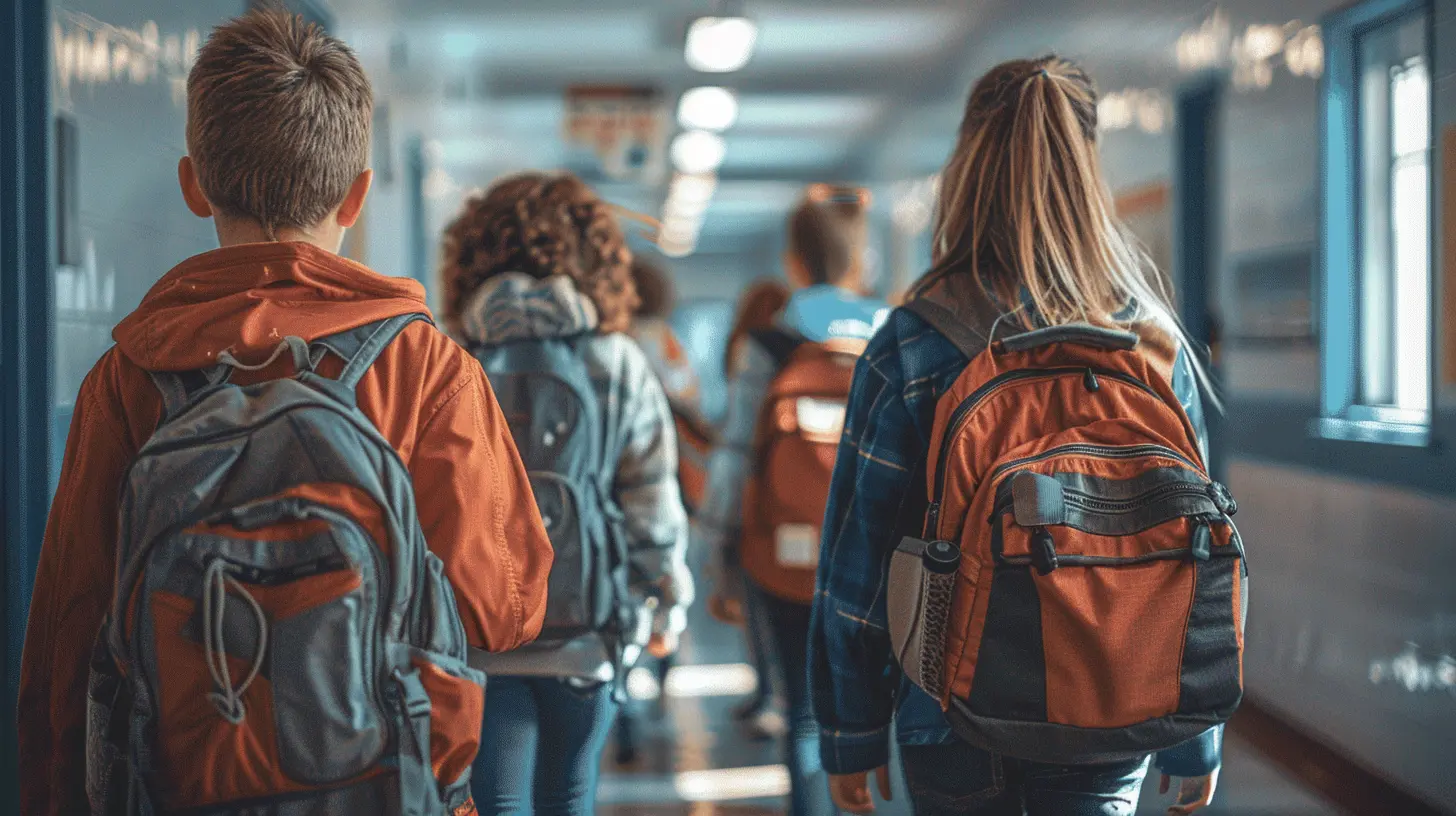
Why We Need to Rethink Discipline in K-12 Schools
It’s clear that the old ways aren’t cutting it anymore. We need a fresh approach—one that focuses on understanding behavior, addressing root causes, and offering students the tools they need to succeed. But why is this shift so necessary?Changing Student Demographics
For starters, the student population is more diverse than ever. We’re seeing a rise in students from different cultural backgrounds, socioeconomic statuses, and learning abilities. The one-size-fits-all approach to discipline just doesn’t work for such a varied group of kids.We need discipline policies that are flexible, culturally responsive, and tailored to individual needs. Every student is unique, and their behavior—good or bad—comes from a place that’s influenced by their environment, upbringing, and personal challenges.
The Impact of Trauma
Another key point to consider is that many students today are dealing with trauma. Whether it’s from family issues, poverty, or even societal pressures, trauma is a huge factor in student behavior. Traditional discipline policies don’t take this into account.For example, a student acting out in class might not just be "misbehaving"—they could be struggling with anxiety, depression, or even past trauma. In these cases, punishment doesn’t address the root cause; it only adds another layer of stress. Instead, schools should focus on trauma-informed practices that help students heal and grow, rather than just punishing them for their symptoms.
The Need for Social-Emotional Learning
Discipline isn’t just about controlling behavior; it’s about teaching students how to manage their emotions, build relationships, and make responsible decisions. These are skills that last a lifetime. Unfortunately, traditional discipline policies don’t emphasize social-emotional learning (SEL).By integrating SEL into discipline policies, schools can help students develop the self-awareness and emotional regulation skills they need to navigate conflicts and challenges. This isn’t just about avoiding bad behavior—it’s about fostering positive behavior.
Alternative Approaches to Discipline
Now that we’ve covered why the old ways aren’t working, let’s talk about what we can do instead. There’s no magic wand here, but there are several promising alternatives to traditional discipline that schools can adopt.Restorative Justice
One of the most talked-about alternatives is restorative justice. The idea is simple: instead of focusing on punishment, restorative justice focuses on repairing harm and restoring relationships. When a student breaks a rule or hurts someone, they participate in a process that helps them understand the impact of their actions and make amends.For example, if a student gets into a fight, they might have to meet with the other student to discuss what happened, how it affected both of them, and how they can move forward. It’s more about healing than punishment, and it holds students accountable in a meaningful way.
Restorative justice also reduces the likelihood of repeat offenses. When students feel understood and supported rather than just punished, they’re more likely to change their behavior.
Positive Behavioral Interventions and Supports (PBIS)
Another approach gaining traction is Positive Behavioral Interventions and Supports (PBIS). This is a proactive system that focuses on teaching and reinforcing positive behavior rather than just reacting to negative behavior.PBIS uses data to identify students who need extra support and implements strategies to help them succeed. For instance, a school might create reward systems for good behavior or develop individualized behavior plans for students who are struggling.
Here’s the kicker—PBIS has been shown to improve student behavior, academic performance, and even school climate. It’s a win-win for everyone involved.
Social-Emotional Learning (SEL)
As mentioned earlier, Social-Emotional Learning (SEL) is a crucial piece of the discipline puzzle. SEL programs teach students how to manage their emotions, set goals, show empathy for others, and maintain positive relationships. These are all skills that help reduce behavior issues in the first place.Some schools have even integrated SEL into their curriculum, making it a regular part of the school day. The result? Students who are more self-aware, empathetic, and capable of handling conflicts in a healthy way.
How Schools Can Start Rethinking Discipline
So, where do we go from here? Rethinking discipline policies isn’t going to happen overnight, but there are steps schools can take to start making meaningful changes.1. Focus on Prevention, Not Punishment
Instead of waiting for a student to break the rules and then punishing them, schools should focus on preventing behavior issues in the first place. This means creating a positive school climate, teaching students about expectations, and providing them with the support they need to succeed.2. Implement Restorative Practices
Schools can start small by introducing restorative practices like peer mediation, conflict resolution circles, or restorative conferences. These practices help students take responsibility for their actions, understand the impact of their behavior, and repair relationships.3. Provide Professional Development for Staff
Teachers and administrators need the tools and training to implement new discipline approaches effectively. This means offering professional development on trauma-informed practices, SEL, and restorative justice.4. Involve the Community
Discipline doesn’t happen in a vacuum. Schools should involve parents, community leaders, and even students in the process of rethinking discipline policies. After all, it takes a village to raise a child.Final Thoughts: A New Era for School Discipline
Rethinking discipline policies in K-12 schools isn’t just about being soft on students; it’s about being smart. It’s about understanding that behavior is often a symptom of deeper issues and that punishment alone won’t solve the problem.By adopting restorative practices, focusing on prevention, and teaching students the social-emotional skills they need to thrive, we can create a school environment where discipline isn’t about control—it’s about growth.
So, are you ready to rethink the way we handle discipline in schools? Because the future of education depends on it.
all images in this post were generated using AI tools
Category:
Education PolicyAuthor:

Monica O`Neal
Discussion
rate this article
1 comments
Dorothy McGee
Discipline policies need real change for better education.
July 23, 2026 at 3:26 AM
Monica O`Neal
I agree. Real change in discipline policies can lead to a more supportive learning environment and better outcomes for all students.