Promoting Inclusivity through Digital Literacy Education
2 August 2026
In today’s fast-paced digital-first world, the ability to navigate the internet, understand online tools, and think critically about digital content — in other words, digital literacy — is no longer a luxury. It's a necessity. But here's the thing: Not everyone has the same starting line when it comes to accessing or understanding digital spaces. There's a digital divide, and it’s leaving many people behind.
So, what can we do about it?
Let’s dig into how promoting inclusivity through digital literacy education isn't just helpful — it’s vital. It's the bridge that connects people from every walk of life to a future filled with opportunity, empowerment, and equality.

What Is Digital Literacy, Really?
Before we go any further, let’s get on the same page. Digital literacy goes beyond just knowing how to use a computer or browse the web. It’s the ability to:- Use digital tools, devices, and platforms efficiently
- Find, evaluate, and create digital content responsibly
- Understand online privacy and safety
- Communicate and collaborate in digital environments
- Think critically about information and media
In short, digital literacy equips people with the skills they need to survive — and thrive — in a digital world.
Now imagine if someone is excluded from this world simply because they never had the chance to learn. That’s where inclusivity steps in.
The Digital Divide: Who’s Being Left Out?
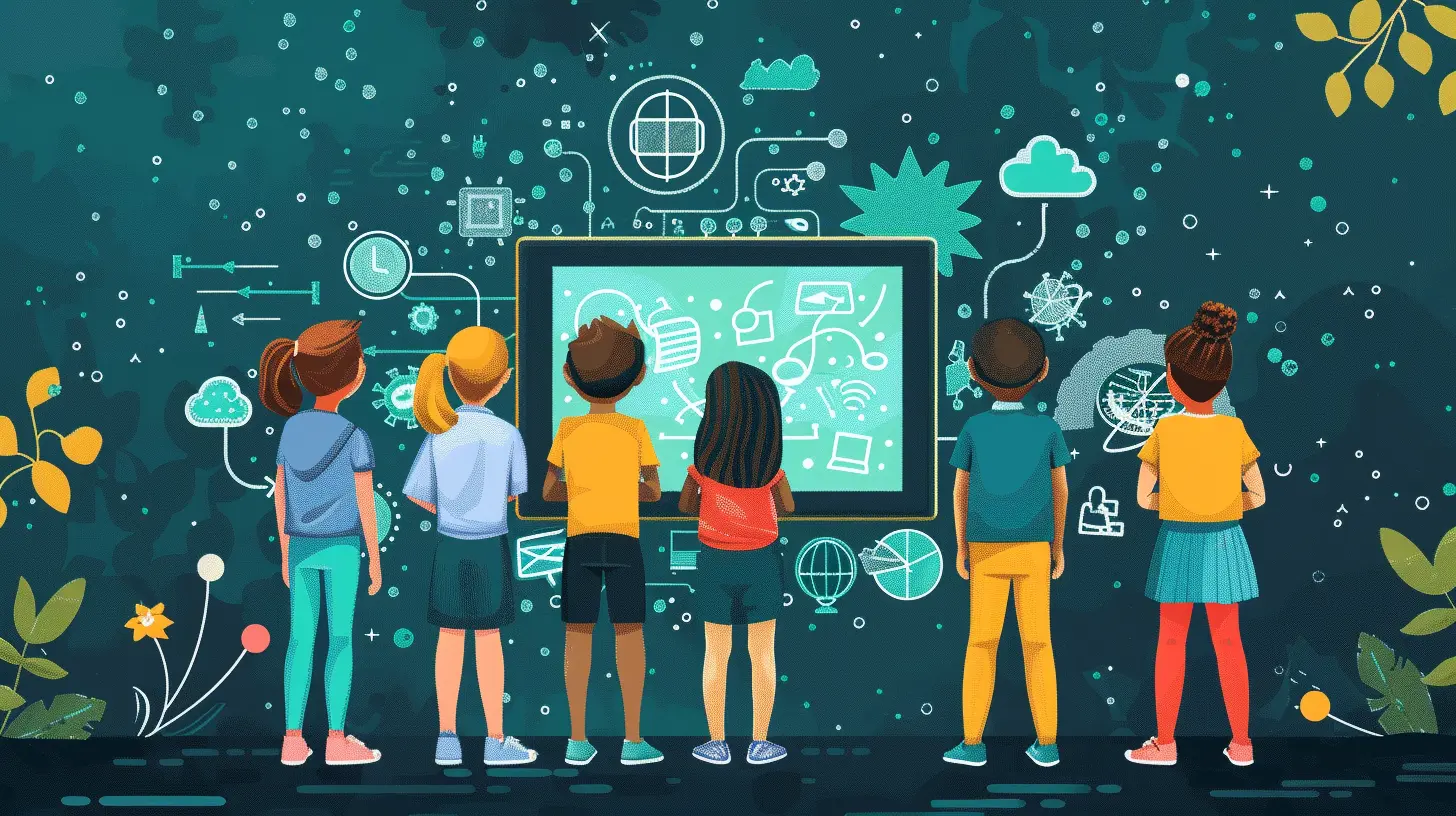
Digital literacy isn't equally distributed. There’s a real gap — often called the digital divide — between those who have access to technology and the skills to use it, and those who don’t.This divide often falls along lines like:
- Socioeconomic status
- Geographic location (urban vs rural)
- Age
- Race and ethnicity
- Disability
- Gender
Let’s be real — if someone can’t afford a computer or internet access, they’re already at a disadvantage. Combine that with limited education, lack of training opportunities, or language barriers, and digital illiteracy becomes a serious barrier to personal and professional development.
So, how do we make sure no one gets left behind in this digital era?
Why Inclusivity in Digital Literacy Education Matters
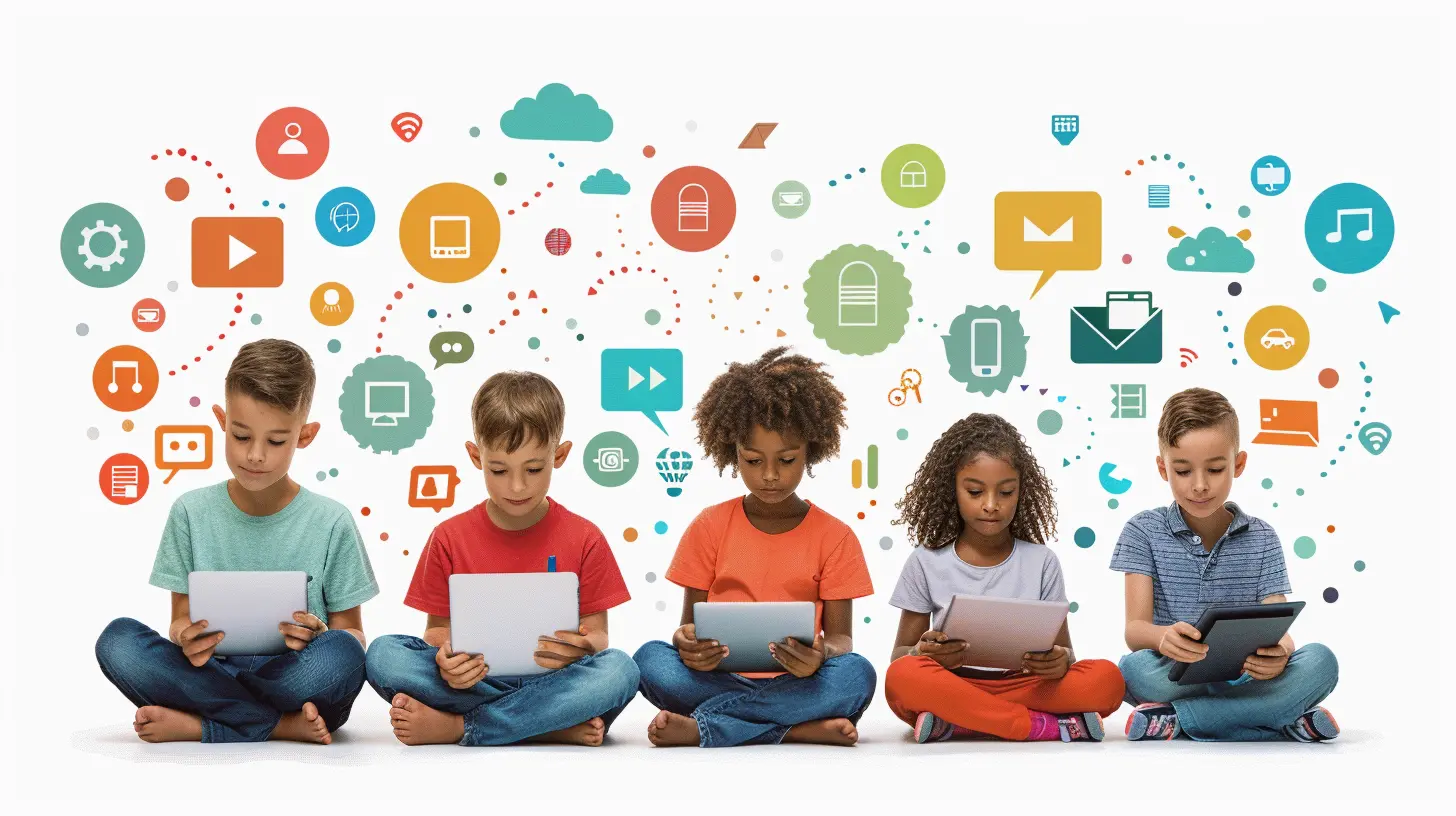
Think of digital literacy as the key to a locked door. Behind that door? Access to education, jobs, health information, government services, and social connections. For many, especially marginalized communities, digital literacy is the golden ticket to inclusion in society.When we promote inclusivity in digital literacy education, we empower people to:
- Participate fully in the digital world
- Advocate for themselves and their communities
- Access better job opportunities
- Continue lifelong learning
- Make informed decisions
Inclusivity isn’t just about physical access to tech — it’s about making sure everyone, regardless of background, ability, or situation, has the opportunity to become digitally literate.
The Role of Schools: Starting Young
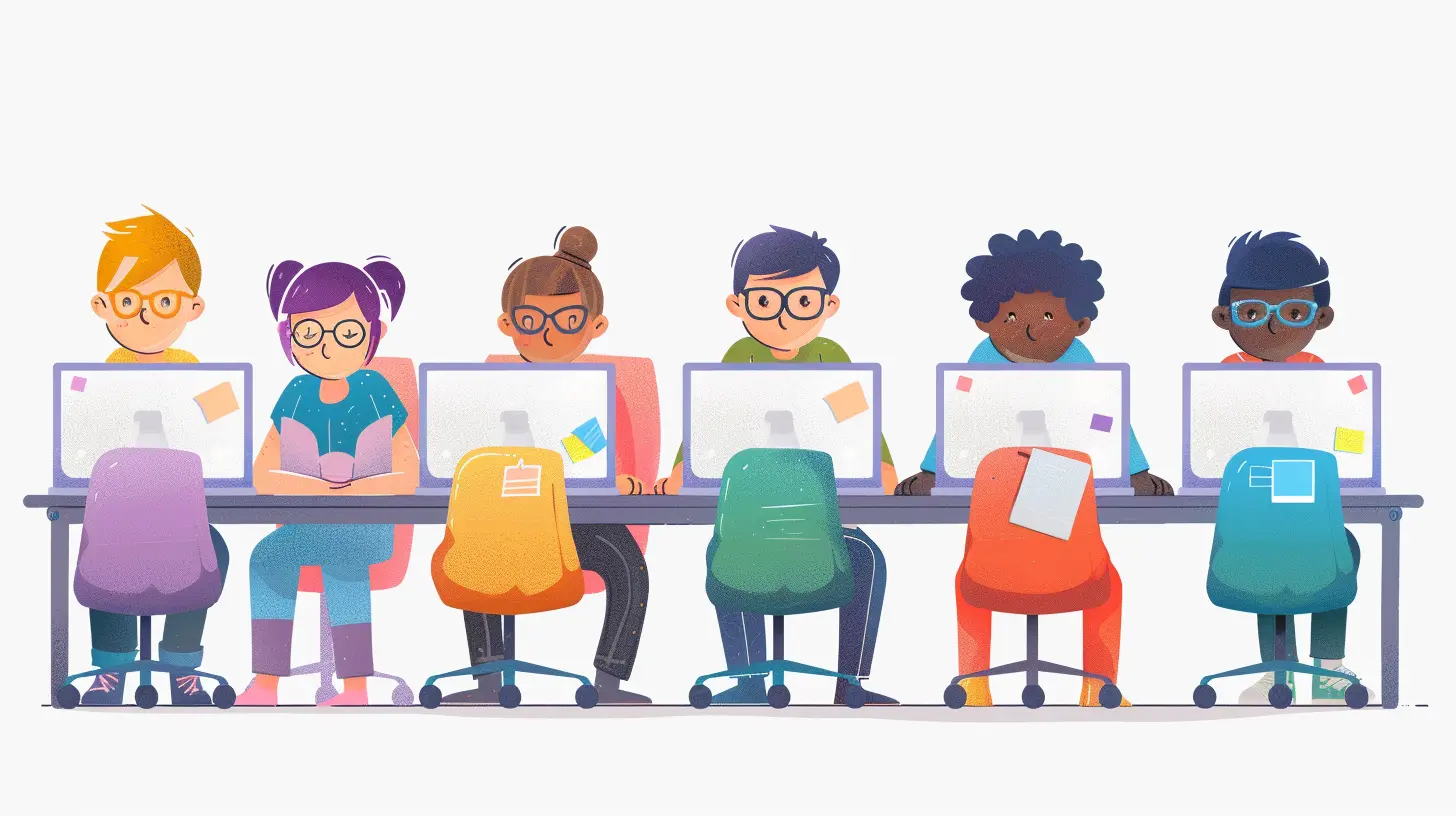
Let’s talk about where it all begins — schools. Education systems have a massive role to play in leveling the playing field.Start early. Children today grow up surrounded by digital devices, but that doesn’t mean they understand how to use them responsibly or effectively. Schools need to go beyond teaching basic typing skills.
Instead, they should offer lessons in:
- Navigating the internet safely
- Recognizing misinformation
- Understanding online etiquette
- Protecting personal information
- Creating digital content
Support every learner. Not every student learns the same way. Teachers should consider diverse learning styles, provide accommodations for students with disabilities, and make digital tools accessible to everyone.
Bridge the gap. Schools can offer after-school workshops, lend devices to students who don’t have them, and partner with organizations that provide internet access at home.
That way, no one gets left behind — and everyone gets a head start.
Adult Learners Deserve a Seat at the Table Too
We often focus so much on kids that we forget about adults who may have missed the digital wave. Many people in their 30s, 40s, 50s, and beyond didn’t grow up with the internet. Learning new tech can feel overwhelming — or even scary.But it’s never too late to learn.
Community centers, libraries, and non-profits can offer:
- Free or low-cost digital literacy classes
- One-on-one tech help sessions
- Multilingual training materials
- Flexible, self-paced online courses
And let’s not forget — digital literacy can open up the job market for adults looking to upskill or switch careers. It can help them stay in touch with family, manage medical appointments online, and more. Inclusion here means building confidence, not just competence.
Breaking Down Barriers for People with Disabilities
One group that faces massive digital exclusion? People with disabilities.Imagine trying to navigate a website without a screen reader or being unable to watch an educational video because it doesn’t have captions. That’s the reality for millions of people.
Inclusivity in digital literacy education means providing:
- Assistive technologies (like screen readers, text-to-speech, and adaptive keyboards)
- Accessible websites and educational platforms
- Training materials in multiple formats (videos with captions, audio guides, plain text, etc.)
- Instructors trained in inclusive teaching practices
The goal isn’t just to accommodate — it’s to empower. Everyone deserves the right to access digital spaces and build technology skills.
Language, Culture, and Digital Inclusion
Here’s something we don’t talk about enough: language barriers.If all your digital literacy resources are in English, you’re excluding a massive portion of the global population. Inclusivity means recognizing cultural and linguistic diversity.
That means:
- Offering training in multiple languages
- Including culturally relevant examples and scenarios
- Providing instruction on coding or digital tools that are localized for global communities
Digital inclusion should reflect the rich variety of human experience — not just one version of the internet.
Gender and Digital Education: Closing the Gap
Globally, women and girls are less likely to have access to digital technology and training. That’s a problem.Empowering women with digital skills means giving them:
- A voice in online spaces
- Access to online education
- Opportunities for remote work and entrepreneurship
- Safety skills to navigate potential online harassment
Programs that specifically target women, especially in rural or underserved communities, can have a ripple effect. When you educate a woman, you educate a community. It’s not just equality — it’s smart policy.
Practical Tips for Promoting Inclusivity in Digital Literacy Programs
Whether you're an educator, a policymaker, or just someone who cares, here are a few ways you can help:1. Start With Empathy
Recognize that not everyone is starting from the same place. Approach digital learning from a place of patience, respect, and understanding. Make it okay to ask "basic" questions.2. Use Plain Language
Tech jargon is intimidating. Break things down into simple, understandable steps. Use everyday analogies — compare a browser to a window that opens into different rooms of the internet. Keep it light, fun, and friendly.3. Make It Hands-On
Use real-life scenarios. Teach people how to fill out a job application online, send an email, or avoid phishing scams by actually doing these things in a safe setting.4. Partner with Local Organizations
Work with community groups, schools, libraries, religious organizations — anyone who already has the trust of the people you’re trying to reach. Trust builds bridges.5. Provide Ongoing Support
Learning doesn’t stop after one class. Offer office hours, follow-up sessions, and ways for learners to practice. Create support groups or peer mentorship programs where learners can help each other.6. Shine a Light on Success Stories
Highlight the people who’ve used digital literacy skills to change their lives. These stories can inspire others and show what's possible.
The Future Is Digital — And It Must Be Inclusive
Let’s get real. The world isn’t just moving online — it already lives there. From school to work to friendships, being digitally connected is essential.But if digital literacy education isn’t inclusive, we’re building a future that shuts people out instead of welcoming them in.
Promoting inclusivity through digital literacy education isn’t just the right thing to do — it’s the smart thing. It unlocks human potential, fuels innovation, and builds a stronger, fairer society for everyone.
So the question isn’t whether we should do it.
It’s how soon can we start?
Let's break barriers and build digital bridges — together.
all images in this post were generated using AI tools
Category:
Digital LiteracyAuthor:

Monica O`Neal
Discussion
rate this article
1 comments
Hawk Kline
Great insights! Emphasizing inclusivity in digital literacy is essential for empowering all learners.
August 6, 2026 at 2:32 AM
Monica O`Neal
Thank you! I'm glad you found the insights valuable. Inclusivity truly strengthens our approach to digital literacy.