Promoting Inclusivity Through Bilingual Education
19 June 2026
Inclusivity in education isn't just a buzzword—it's a necessity. Every student, regardless of their background, should have equal access to learning opportunities. One powerful way to achieve this? Bilingual education.
Think about it—language can be a bridge or a barrier. Schools that embrace bilingual education create environments where all students feel valued, understood, and empowered. But how exactly does bilingual education promote inclusivity? Let's break it down. 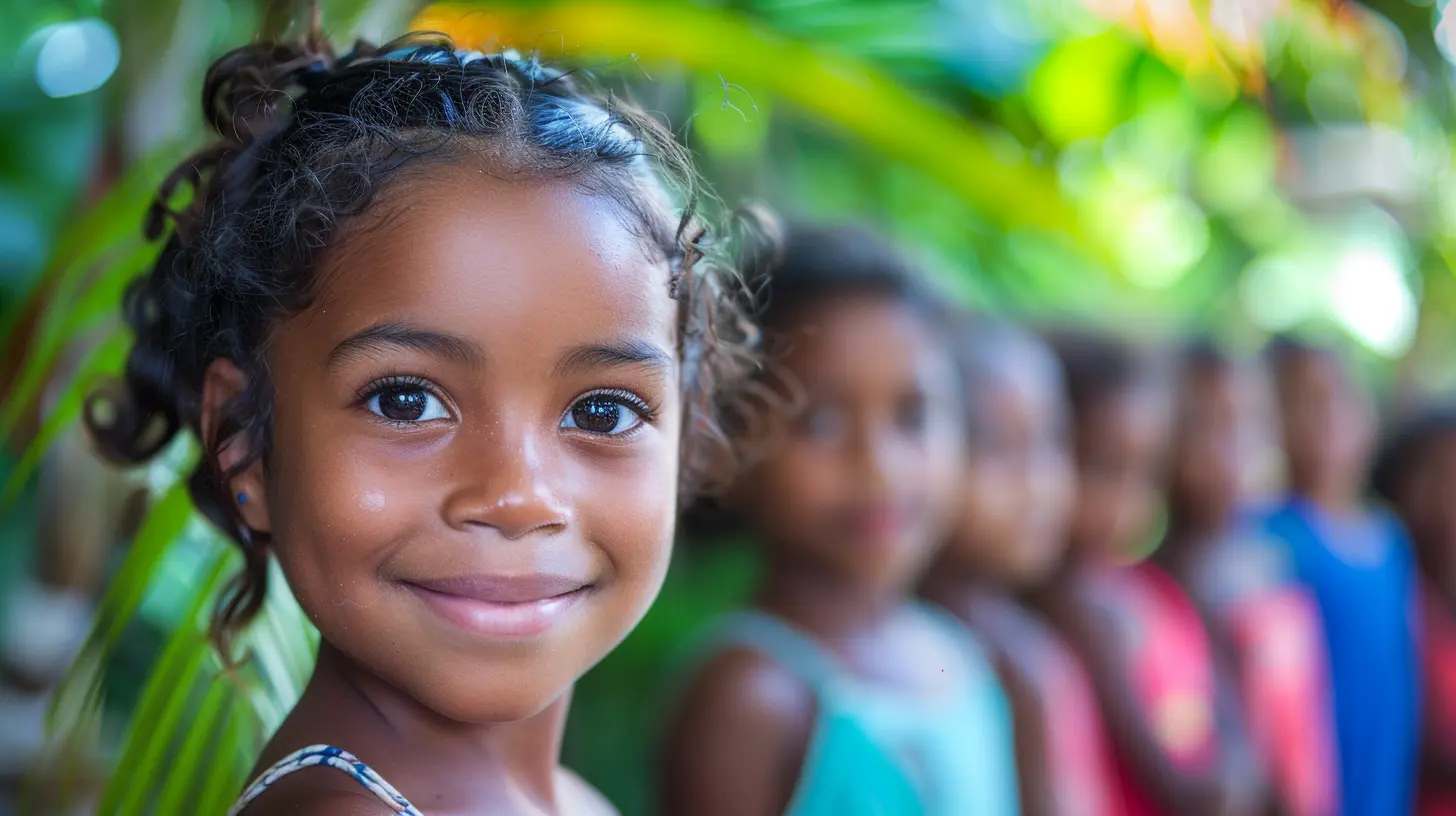
What is Bilingual Education?
At its core, bilingual education refers to teaching students in two languages—a native language and a second language. This approach helps learners build fluency in both while ensuring they don’t fall behind in other subjects like math, science, and history.Some common models of bilingual education include:
- Transitional Bilingual Education (TBE) – Uses the student’s native language initially, then gradually shifts to the second language.
- Dual-Language Immersion (DLI) – Both native and non-native speakers learn together, using both languages equally.
- English as a Second Language (ESL) – Supports non-English speakers with extra help while primarily teaching in English.
- Heritage Language Programs – Designed to maintain and develop a student’s native language while introducing a second language.
Each model has its strengths, but the main goal remains the same: to embrace linguistic diversity and ensure every student thrives. 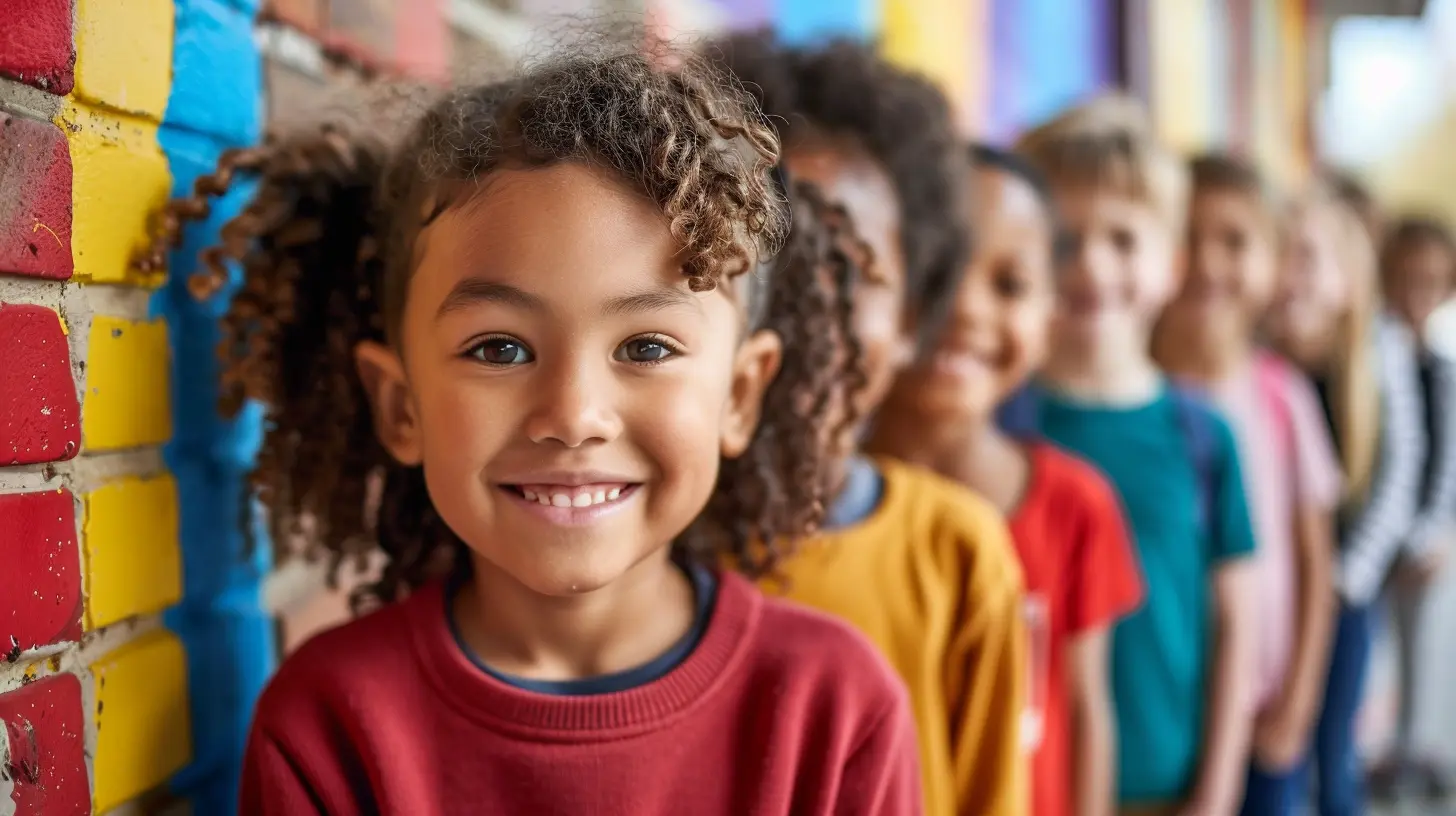
Why Inclusivity Matters in Education
Imagine walking into a classroom where no one understands your language. How would that feel? Confusing? Isolating? That’s the reality for many students around the world.Education should be about breaking barriers, not building them. When students feel included, they engage more, perform better, and develop confidence. Inclusivity isn’t just about fairness—it directly impacts learning outcomes.
Bilingual education fosters inclusivity by:
- Reducing Language Barriers – Students can grasp complex concepts in their native language while building skills in a second language.
- Celebrating Cultural Diversity – Multilingual classrooms expose students to different perspectives, helping them appreciate diversity.
- Boosting Confidence – Learning in one's native language prevents students from feeling "less than" their peers.
- Encouraging Parental Involvement – When parents understand the language used in school, they can participate more in their child’s education.
Now, let’s dive deeper into how this approach benefits students, teachers, and entire communities. 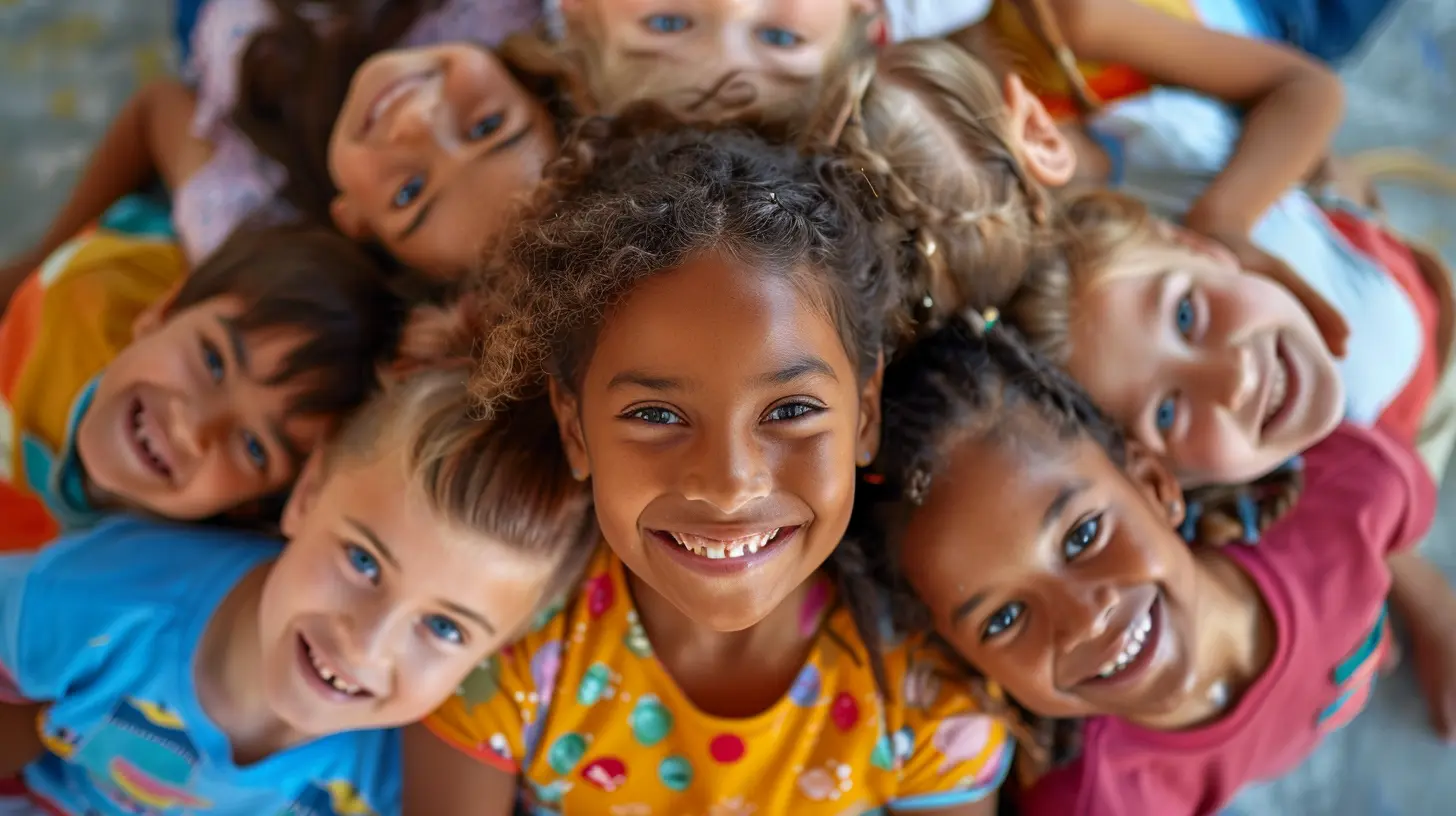
How Bilingual Education Benefits Students
1. Improves Academic Performance
Surprisingly, students in bilingual programs often outperform their peers in monolingual settings. Why? Because learning in two languages enhances cognitive flexibility, problem-solving skills, and memory.Bilingual students develop a sharper ability to switch between tasks, adapt to different situations, and think critically. Who wouldn’t want those skills?
2. Expands Career Opportunities
In today’s globalized world, being bilingual is a superpower. Many employers prioritize candidates who can speak more than one language. Whether in business, healthcare, or diplomacy, bilingual individuals have the edge.3. Strengthens Social Skills
When students interact in two languages, they develop empathy and intercultural communication skills. They learn to see the world through multiple lenses, making them open-minded and adaptable.4. Preserves Cultural Identity
For many students, language is deeply tied to their heritage. Bilingual education helps them stay connected to their roots while thriving in a new language. Instead of feeling pressured to abandon their native tongue, they take pride in it.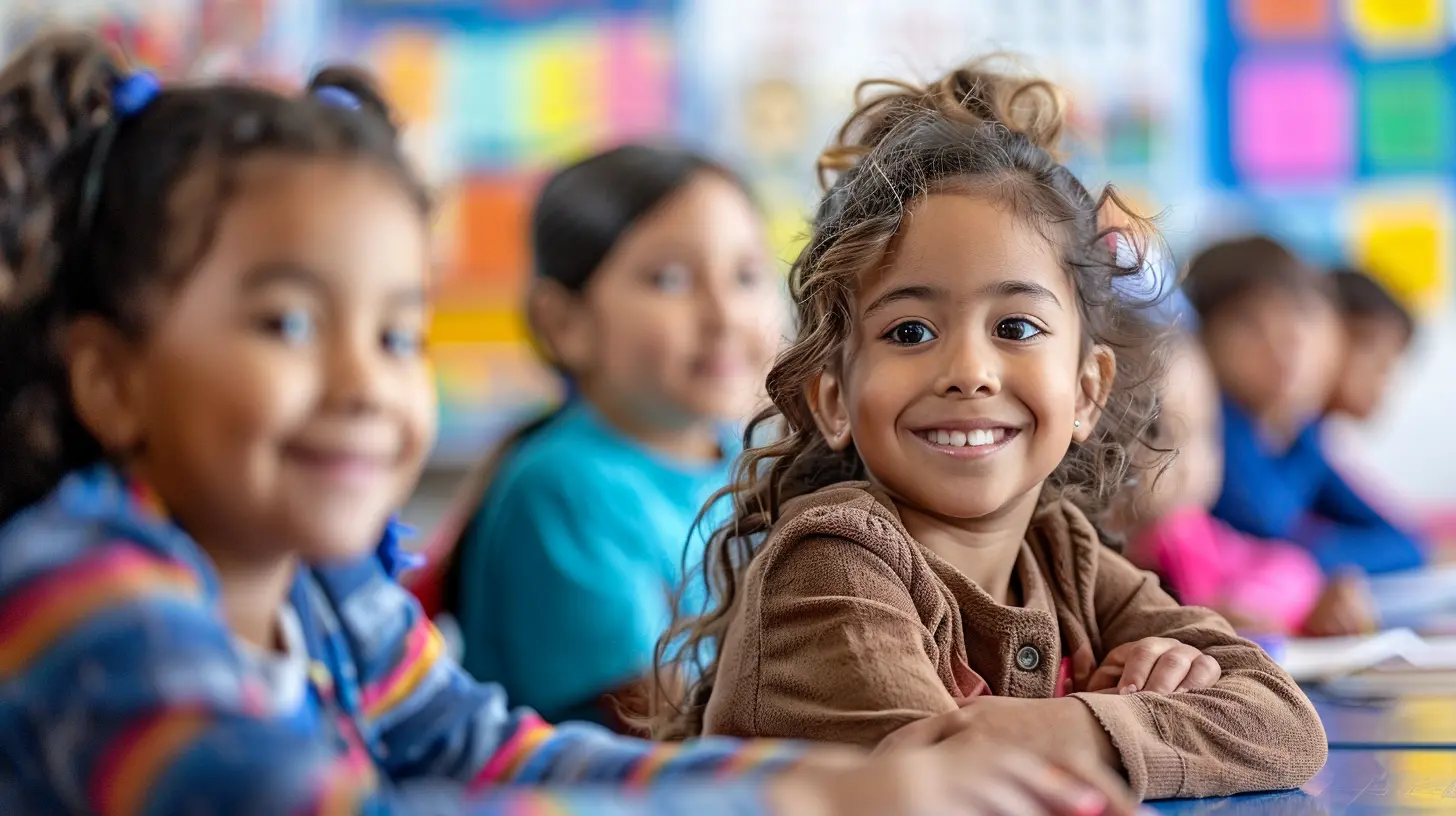
How Bilingual Education Supports Teachers
It’s not just students who benefit—teachers thrive in bilingual settings too.1. More Engaged Classrooms: When language isn’t a barrier, students are more active in discussions and group activities.
2. Better Student Relationships: Teachers can connect with students on a deeper level, understanding their backgrounds and needs.
3. Professional Growth: Educators who teach in bilingual settings develop unique teaching strategies that enhance their skills.
4. Higher Job Demand: With the rise of bilingual programs, schools are actively seeking multilingual teachers—making it a great career move!
The Role of Parents in Bilingual Education
Parents are a crucial part of a child’s learning journey. But in monolingual schools, language gaps can make it tough for parents to support their kids.Bilingual education changes that. When schools incorporate a child’s native language, parents:
- Feel more involved in school activities.
- Can help with homework without struggling with language barriers.
- Are more likely to attend parent-teacher meetings and engage in their child’s progress.
Essentially, bilingual education creates a team effort between schools, students, and families.
Challenges of Bilingual Education (And How to Overcome Them)
Of course, no system is perfect. Implementing bilingual education comes with its share of challenges, but they’re not impossible to navigate.1. Lack of Resources
Schools often struggle with funding for bilingual programs, from hiring trained teachers to developing materials. Solution? Advocacy for government support and community-driven programs can make a difference.2. Teacher Shortages
Qualified bilingual educators are in high demand but not always available. Schools can invest in teacher training programs to bridge this gap.3. Resistance to Change
Some people believe bilingual education slows academic progress. Research, however, says otherwise. Schools need to educate communities about its long-term benefits.4. Maintaining Both Languages
It can be tough to ensure students don’t lose proficiency in either language. Consistent practice, cultural activities, and immersive experiences help maintain fluency.The Future of Bilingual Education
The world is becoming more interconnected every day. As immigration increases and businesses expand globally, bilingual education is more relevant than ever.- Countries like Finland, Canada, and Singapore have already set the bar high with successful bilingual programs.
- Technology is making bilingual learning easier with language apps, online courses, and AI-driven translation tools.
- More parents are demanding multilingual education, pushing schools to adapt to this growing need.
Simply put, the future is bilingual, and schools that embrace this shift will lead the way in promoting inclusive, high-quality education.
Final Thoughts
Bilingual education isn’t just about learning a second language—it’s about breaking down barriers, fostering inclusivity, and creating opportunities. By offering students a chance to learn in multiple languages, we empower them to succeed academically, professionally, and socially.Whether you're a parent, teacher, or policymaker, supporting bilingual education means championing a more inclusive, connected world. And really, isn’t that what education is all about?
all images in this post were generated using AI tools
Category:
Bilingual EducationAuthor:

Monica O`Neal
Discussion
rate this article
1 comments
Faenor Sharpe
Great points about the benefits of bilingual education! It's crucial to create an environment where all students feel valued. Implementing effective bilingual programs can foster understanding and respect among diverse cultures, ultimately enriching the learning experience for everyone.
June 20, 2026 at 2:24 AM
Monica O`Neal
Thank you! I completely agree that fostering an inclusive environment through bilingual education can truly enhance both understanding and respect among students.