Preparing Students for a Tech-Driven World: The Future of Digital Literacy
5 March 2026
Let’s face it—we’re neck-deep in a digital era where almost everything has a screen, from your fridge to your fitness watch. The question isn’t “Should we teach students digital skills?”—it’s “How fast can we get them up to speed before the world levels up again?” Digital literacy is no longer just a cherry on top. It’s the main course. And if students aren’t equipped for this tech-driven world, they’ll be left scrolling through a loading screen in a high-speed race.
So, buckle up. We're diving into what digital literacy really means, why it’s no longer just for the tech wizards, and how we can prep the next generation to take on the future like digital superheroes.
What Is Digital Literacy Anyway?
Let’s clear this up—digital literacy isn’t just knowing how to Google homework answers or post funny TikToks (though let’s be honest, those are skills in their own way). It’s much more.Digital literacy is the ability to use technology to find, evaluate, create, and communicate information—safely, ethically, and effectively. Think of it as the Swiss Army knife of the modern world. It covers everything from understanding how to use productivity tools (hello, Excel) to spotting fake news and protecting your online privacy.
And here’s the kicker: It’s not just for tech careers anymore. Whether you want to be a doctor, a teacher, a chef, or even a musician, digital literacy is part of the job.
Why It’s No Longer Optional
Remember when typing class was an elective? Yeah, those days are gone. Now, basic digital skills are just as important as math or reading. Why? Because technology is baked into nearly every aspect of modern life.Need to apply for college? It’s online. Scheduling a doctor’s appointment? There’s an app for that. Want to vote? Many states are testing online systems. The future isn’t just tech-based—it’s tech-everything.
If students aren't digitally literate, they're at a serious disadvantage. We're talking about being left out of job opportunities, civic engagement, and even everyday communication.
So, digital literacy? It’s the new essential skill—and it’s time we treat it that way.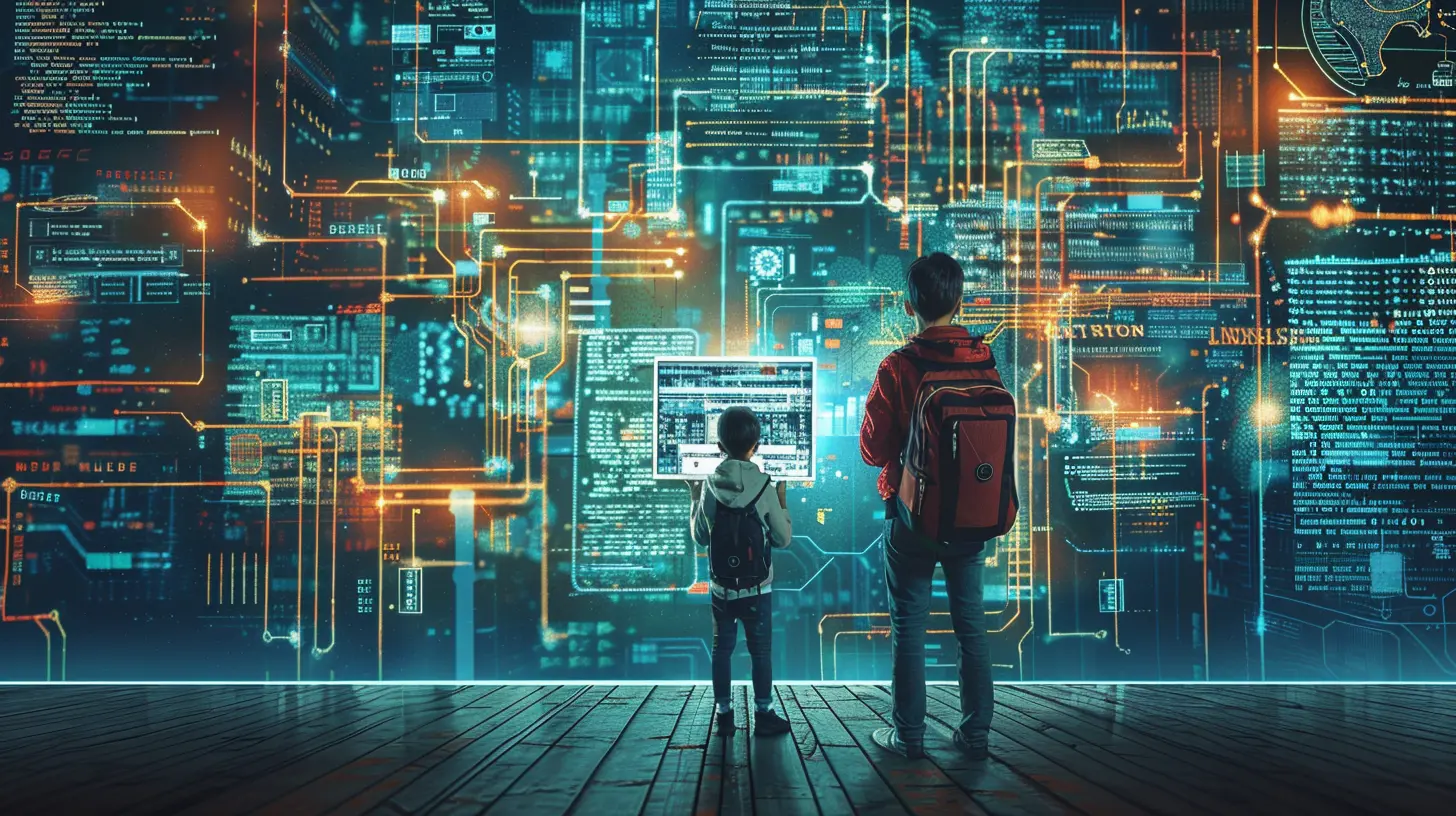
The Core Ingredients of Digital Literacy
Let’s break this down like a layered cake. Here are the main layers (or competencies) that digital literacy includes:1. Information Literacy
Think of this as figuring out what’s real and what’s total nonsense online. With misinformation running wild, students need to know how to evaluate sources, fact-check, and think critically.(Have you ever seen a headline so wild it made you gasp and laugh at the same time? That’s why this matters.)
2. Tech Proficiency
No, students don’t need to code like computer scientists (though that’s a bonus). But they should be able to navigate operating systems, use word processors, spreadsheets, presentation tools, and other software that’s standard in schools and workplaces.It’s like learning to drive—you don’t need to be a mechanic, but you should definitely know how to steer.
3. Digital Communication
Can you write a professional email? Collaborate on a Google Doc? Host a Zoom meeting without accidentally turning yourself into a cat filter? Digital communication is key in both education and the workplace.And yeah, emoji-savvy helps too. 😉
4. Cybersecurity Awareness
It’s a digital jungle out there. From phishing scams to identity theft, students need to know how to protect themselves online. Teaching them about strong passwords, privacy settings, and recognizing sketchy links is non-negotiable.5. Digital Citizenship and Ethics
Let’s not forget the moral compass. Students need to understand how to behave online, respect others’ content, and be aware of their digital footprint.Because what happens on the internet never really stays on the internet, right?
Challenges Schools Face in Promoting Digital Literacy
Alright, here’s the tricky part. While we all agree digital literacy is vital, making it happen is often easier said than done.Lack of Access
Not every student has a laptop or stable Wi-Fi at home. This creates a digital divide, where some kids zoom ahead and others get stuck buffering.Outdated Curricula
Let’s be real—some school programs are stuck in 2005. If you're teaching outdated tech, you're not preparing students for today's world, much less tomorrow's.Teacher Training Gaps
You can’t pour from an empty cup. Many educators themselves didn’t grow up with this tech and may feel overwhelmed. Training and support for teachers are critical.Tech Fatigue
Ever heard of Zoom burnout? Students are already spending crazy amounts of time on screens. Finding a healthy balance between tech use and real-world engagement is part of the puzzle.How Schools Can Level-Up Digital Literacy
Educators, this is your side quest! Here are a few ways schools can become digital literacy powerhouses:1. Integrate Tech Across Subjects
Digital literacy shouldn’t be confined to computer class. It can (and should) be woven into every subject. For example, students can use data analysis in science, collaborative tools in English, or simulation software in history.Make tech the seasoning, not the main dish.
2. Invest in Tools and Infrastructure
Tablets, Wi-Fi hotspots, educational software—these aren’t luxuries anymore. They’re necessary tools. Schools need to budget accordingly and partner with organizations that support digital equity.3. Train the Teachers
Ongoing professional development is key. Teachers should feel confident using tech tools, teaching digital skills, and staying up-to-date with new trends (without the stress of trying to TikTok better than their students).4. Embrace Project-Based Learning
Let students create podcasts, design websites, or develop simple apps. It’s hands-on, fun, and builds real-world skills. Plus, it beats another boring multiple-choice quiz.5. Promote Safe and Responsible Use
Hold discussions on cyberbullying, privacy, and what it means to be a good digital citizen. Think of it as character education for the online world.The Role of Parents and Communities
Educators can’t do it alone. Parents and communities play a massive role here too.- Parents can model good digital habits—like taking tech breaks and fact-checking headlines.
- Libraries and community centers can offer tech workshops or access to devices.
- Local businesses can provide mentorship or internships in tech fields.
It takes a digital village!
Teaching Digital Literacy in a Way That Sticks
Let’s be honest—no one learns from a 50-slide PowerPoint. If we want digital literacy to stick, we need to make it engaging and relevant.Use Real-World Scenarios
“What would you do if you saw a suspicious link in a class group chat?”Boom, teachable moment.
Gamify It
Who says learning can’t be fun? Use quizzes, interactive games, or online challenges to make tech skills feel like achievements. Think “Duolingo,” but for digital skills.Encourage Creation, Not Just Consumption
Don’t just teach students to consume content—teach them to create it. Videos, blogs, animations—when they build something, that’s when the light bulbs go off.The Future of Digital Literacy: What’s Coming Next?
Buckle up—we’re heading into sci-fi territory, and it’s coming fast.AI and Machine Learning
Students will need to understand how artificial intelligence works, how it impacts their world, and how to interact with it responsibly. Knowing how to prompt an AI to write a poem? That’s just the beginning.Data Literacy
Big data is the new oil, and understanding how to read, analyze, and interpret it will be a must-have skill.Virtual and Augmented Reality
Classrooms will soon go beyond the physical. Imagine taking a VR tour of Mars… in science class. Digital literacy will evolve to include navigating these immersive environments.Blockchain and Digital Identity
As our lives become more digital, so do our identities. Students will need to understand concepts like NFTs, digital ownership, and blockchain technology.Final Thoughts: It’s Not Just About Tech—It’s About Empowerment
Technology is a tool, not the goal. But students who are digitally literate have the confidence to explore, create, communicate, and think critically in a tech-first world. That’s powerful.So whether you’re a teacher, parent, or student—don’t think of digital literacy as another subject in the curriculum. Think of it as the new passport to the future.
And trust me, it’s one ride you don’t want to miss.
all images in this post were generated using AI tools
Category:
Digital LiteracyAuthor:

Monica O`Neal
Discussion
rate this article
2 comments
Cambria McDonald
Get ready, future tech wizards! Embracing digital literacy today means tomorrow’s adventures are just a click away!
April 2, 2026 at 4:47 AM
Monica O`Neal
Absolutely! Digital literacy is the key to unlocking endless opportunities for our students in an increasingly tech-driven world. Let’s equip them for success!
Aaron Middleton
Embracing digital literacy is crucial for our students' success in a tech-driven world. By equipping them with essential skills, we empower them to innovate, solve problems, and thrive in an ever-evolving landscape. The future is bright!
March 10, 2026 at 5:45 AM
Monica O`Neal
Thank you for your insightful comment! You're absolutely right—empowering students with digital literacy is vital for their future success and innovation in a tech-driven world.