How to Engage Visual Learners in Traditional Classrooms
30 December 2025
Ever noticed how some students need to see things to understand them? That's because they’re visual learners! While traditional classrooms often rely on lectures and textbooks, this approach can leave visual learners struggling to stay engaged.
So, how do we cater to these students? Simple—we harness the power of visuals! From colorful charts to engaging videos, there are tons of ways to bring lessons to life. Let's dive into some tried-and-true strategies to make your classroom a visual learner’s paradise. 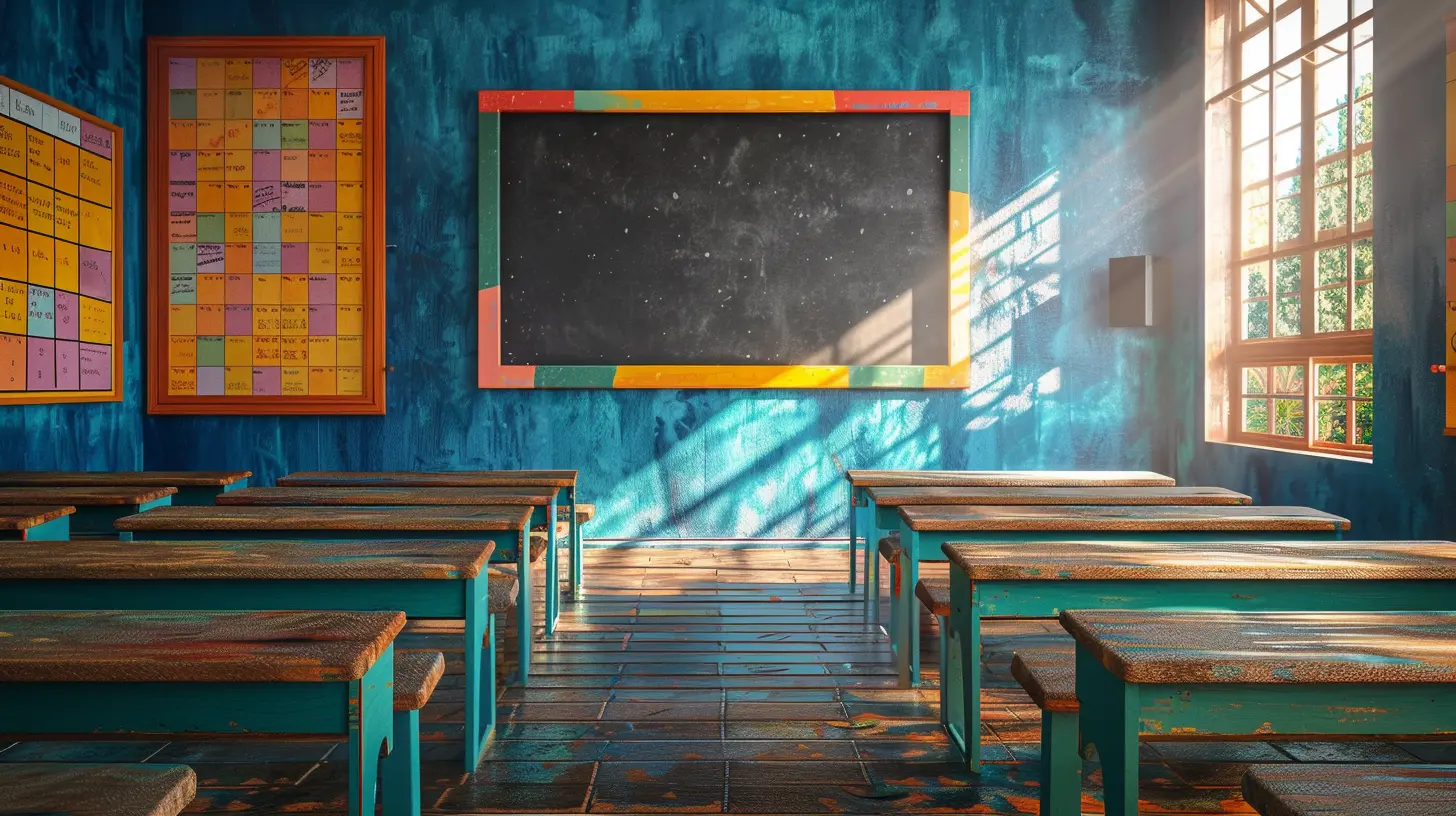
Who Are Visual Learners?
Visual learners process and retain information best when they can see it. Whether it's through images, diagrams, or videos, they make sense of concepts by associating them with visual cues.Characteristics of Visual Learners:
✔ Prefer reading over listening✔ Benefit from diagrams, charts, and graphs
✔ Remember faces more than names
✔ Enjoy using colors to highlight key ideas
✔ Struggle with purely verbal instructions
If a student zones out during long lectures but becomes super engaged when watching a video or analyzing an infographic, there's a good chance they're a visual learner! 
Challenges Visual Learners Face in Traditional Classrooms
Let’s be honest—traditional classrooms aren’t exactly visual-friendly. Most lessons rely heavily on verbal explanations, textbooks, and note-taking, which can be frustrating for visual learners.Common Issues:
❌ Over-reliance on verbal instruction❌ Lack of visual aids like charts and diagrams
❌ Minimal use of multimedia resources
❌ Limited hands-on activities
When these students aren’t engaged, they lose focus quickly. That’s why adapting teaching methods is key to ensuring they stay involved! 
How to Keep Visual Learners Engaged
Now, let’s talk about real solutions. It’s time to bring visuals into the classroom and redefine learning for these students.1. Use Visual Aids—A Picture Is Worth a Thousand Words!
Plain text? Boring.Powerful visuals? Game-changer.
Try incorporating:
✅ Infographics – Summarize information visually
✅ Charts & Graphs – Perfect for data-based subjects
✅ Diagrams – Great for explaining complex processes
✅ Flashcards – Reinforce key concepts with imagery
This strategy transforms dry lessons into engaging learning experiences!
2. Incorporate Videos & Animations
Let’s face it—students LOVE videos! Educational videos and animations grab their attention while breaking down difficult topics. Whether it’s a documentary, TED-Ed clip, or animated explainer, visual content makes abstract concepts easier to digest.Pro Tip: Encourage students to take visual notes while watching to reinforce learning.
3. Encourage Mind Mapping & Graphic Organizers
Ever tried explaining a topic with a messy paragraph? Visual learners don’t thrive in that chaos! Instead, help them structure information using:📌 Mind Maps – Show connections between ideas
📌 Flowcharts – Perfect for step-by-step processes
📌 Venn Diagrams – Ideal for comparing concepts
These tools simplify complex topics and provide clarity at a glance!
4. Utilize Color-Coding Techniques
Color isn't just for art class—it’s a powerful study tool! Encourage students to:🎨 Color-code notes to highlight key points
🖍 Use highlighters to categorize information
📂 Organize study materials with colored folders
This not only makes learning visually appealing but also helps with memory retention.
5. Use Illustrated Notes & Doodle Learning
Who says doodling is a distraction? For visual learners, it’s a legit study technique! Encourage students to:✏ Sketch out ideas instead of writing long explanations
🖌 Draw timelines for history lessons
📖 Use illustrated note-taking to summarize concepts
Doodles and visuals cement concepts in memory, making recall much easier.
6. Gamify the Learning Process
Want to boost engagement? Turn lessons into games! Use:🎲 Educational board games with visual elements
📱 Interactive learning apps with animations
🏆 Classroom challenges with visual prizes
Gamification taps into motivation, making learning fun and effective.
7. Leverage Interactive Whiteboards & Smart Technology
Static blackboards? 🚫 Outdated.Interactive whiteboards? ✅ Genius.
With digital tools, teachers can:
🔹 Create interactive lessons with animations
🔹 Visualize problems in real-time
🔹 Encourage hands-on learning
This tech-driven approach bridges the gap between traditional teaching and modern engagement.
8. Assign Creative Visual Projects
Swap out traditional essays with creative projects like:🎥 Video presentations
🖼 Poster designs
📌 Infographic assignments
Visual learners excel when allowed to express knowledge creatively!
9. Encourage Digital Learning Tools
In today's digital world, students thrive with online visual tools. Introduce:🖥 Canva – For creating presentations & infographics
📊 Google Slides – Engaging visual presentations
📱 Kahoot! & Quizlet – Interactive quizzes & flashcards
Technology isn’t a distraction—it’s a powerful learning aid when used right! 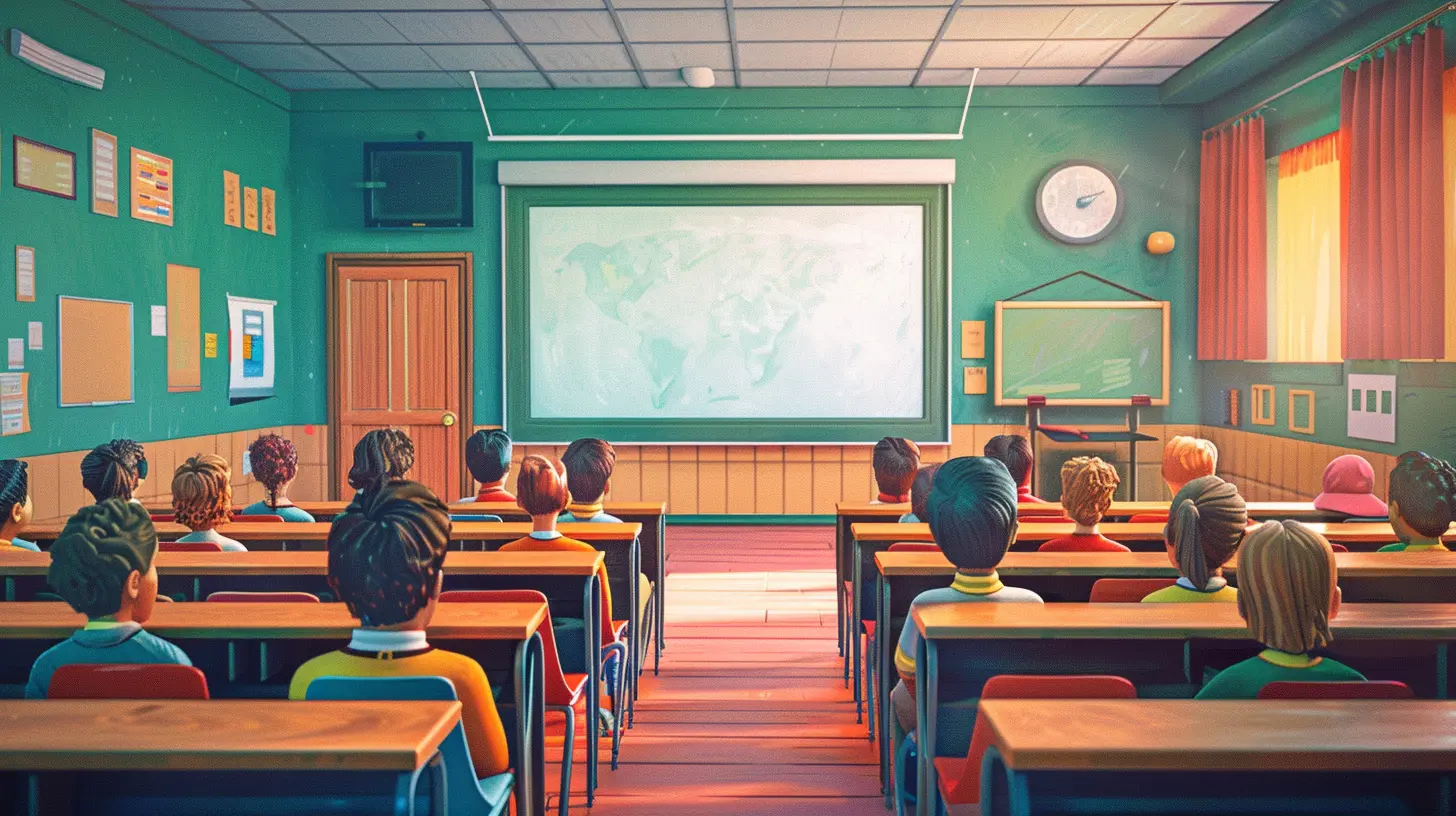
Final Thoughts
Traditional classrooms may favor auditory learners, but that doesn’t mean visual learners should be left out. By integrating visuals, you turn boring lessons into engaging experiences that cater to all learning styles.Think of it like this: teaching without visuals is like watching a movie with no images—just audio! Doesn’t sound fun, right? So, let’s bring education to life and make classrooms interactive, colorful, and engaging for visual learners!
all images in this post were generated using AI tools
Category:
Learning StylesAuthor:

Monica O`Neal
Discussion
rate this article
2 comments
Eliana Cannon
Visual learners need more than just blackboard magic—let's dazzle!
February 8, 2026 at 4:26 AM
Monica O`Neal
Absolutely! Engaging visuals and interactive elements can truly enhance the learning experience for visual learners. Let's spark their imagination!
Delia Hudson
This article offers practical strategies for engaging visual learners in traditional classrooms, highlighting the importance of incorporating visual aids and interactive activities to enhance learning experiences.
December 31, 2025 at 4:51 AM
Monica O`Neal
Thank you for your feedback! I'm glad you found the strategies on using visual aids and interactive activities helpful for engaging visual learners.