How to Build a Support System on Campus by 2027
1 May 2026
Let me paint you a picture. You are standing in the middle of a massive quad, surrounded by hundreds of students who all seem to know exactly where they are going. Your phone is dead, your dorm room feels like a stranger's bedroom, and you have no idea who to text for dinner. That sinking feeling in your stomach? That is the loneliness that hits when you realize you haven't built your crew yet.
Here is the truth nobody tells you: college is not just about classes. It is about finding your people. And by 2027, the way we connect on campus will look different. Technology is shifting, social habits are changing, and the old "just join a club" advice is not enough anymore. You need a real strategy. A system. Something that works when you feel awkward, when you are busy, and when you are scared to put yourself out there.
So let us break this down. No fluff. No generic tips. Just practical steps to build a support system that actually holds up.

Why Your Support System Matters More Than Your GPA
Think of your support system like the foundation of a house. You can have the fanciest roof (your degree) and the best paint (your resume), but if the foundation cracks, everything crumbles. I have seen brilliant students drop out not because the work was hard, but because they had nobody to eat lunch with. I have seen others struggle through tough semesters because one friend showed up with coffee and a listening ear.By 2027, the mental health landscape on campus will be even more intense. More pressure. More competition. More digital noise. Your support system is your anchor. It is the group of people who remind you that you are human, not just a student ID number. It is the friend who pulls you out of your room when you are spiraling. It is the study buddy who keeps you accountable. It is the mentor who tells you the truth about your career path.
Do not treat this like a nice-to-have. Treat it like a requirement for survival.
The Three Pillars of a Campus Support System
Before we get into the how, let us define what we are building. A strong support system has three layers. Think of them like a three-legged stool. If one leg is missing, you will wobble.Pillar One: Your Inner Circle. These are the 2-3 people you can call at 2 AM. They know your bad habits, your family drama, and your weird obsession with terrible reality TV. They are your ride-or-dies.
Pillar Two: Your Mid-Level Network. These are the 10-15 people you see regularly. Study group members, club friends, people from your floor. You are not sharing your deepest secrets, but you can grab lunch or ask for notes.
Pillar Three: Your Broader Community. This includes professors, advisors, mentors, and even the friendly barista who remembers your order. These are the people who offer guidance, resources, and a sense of belonging to something bigger.
Most students only focus on the inner circle. That is a mistake. You need all three legs.

Step One: Stop Waiting for Magic to Happen
Here is the hard truth. Nobody is going to knock on your door and ask to be your best friend. Not in 2024, not in 2027. The myth of the "instant friend" is just that - a myth. Real connection takes effort. It takes showing up. It takes being awkward.I remember my first week of college. I sat in my dorm room for three days straight, waiting for someone to invite me somewhere. Nobody did. I finally realized that I had to be the one to knock on doors. So I did. I walked down the hall, knocked on five doors, and asked if anyone wanted to grab pizza. Two people said yes. One of them is still my best friend ten years later.
By 2027, the temptation to hide behind screens will be stronger than ever. You can order food, watch lectures, and even socialize online without leaving your room. Do not fall for it. Real support requires real presence.

Step Two: Use the "Three-Touch" Rule
Here is a simple system that works. When you meet someone new, do not just exchange numbers and hope for the best. Use the three-touch rule.First touch: Meet them. Get their name. Say something memorable.
Second touch: Reach out within 48 hours. Send a text. "Hey, it was cool talking about that weird professor. Want to grab coffee this week?"
Third touch: Follow through. Actually meet up. Do not cancel. Do not ghost.
This sounds basic, but most people stop after the first touch. They get the number and never text. Or they text once and wait for the other person to do the work. By 2027, everyone will be more distracted and more overwhelmed. The person who follows up is the person who builds the connection.
Step Three: Find Your "Third Place"
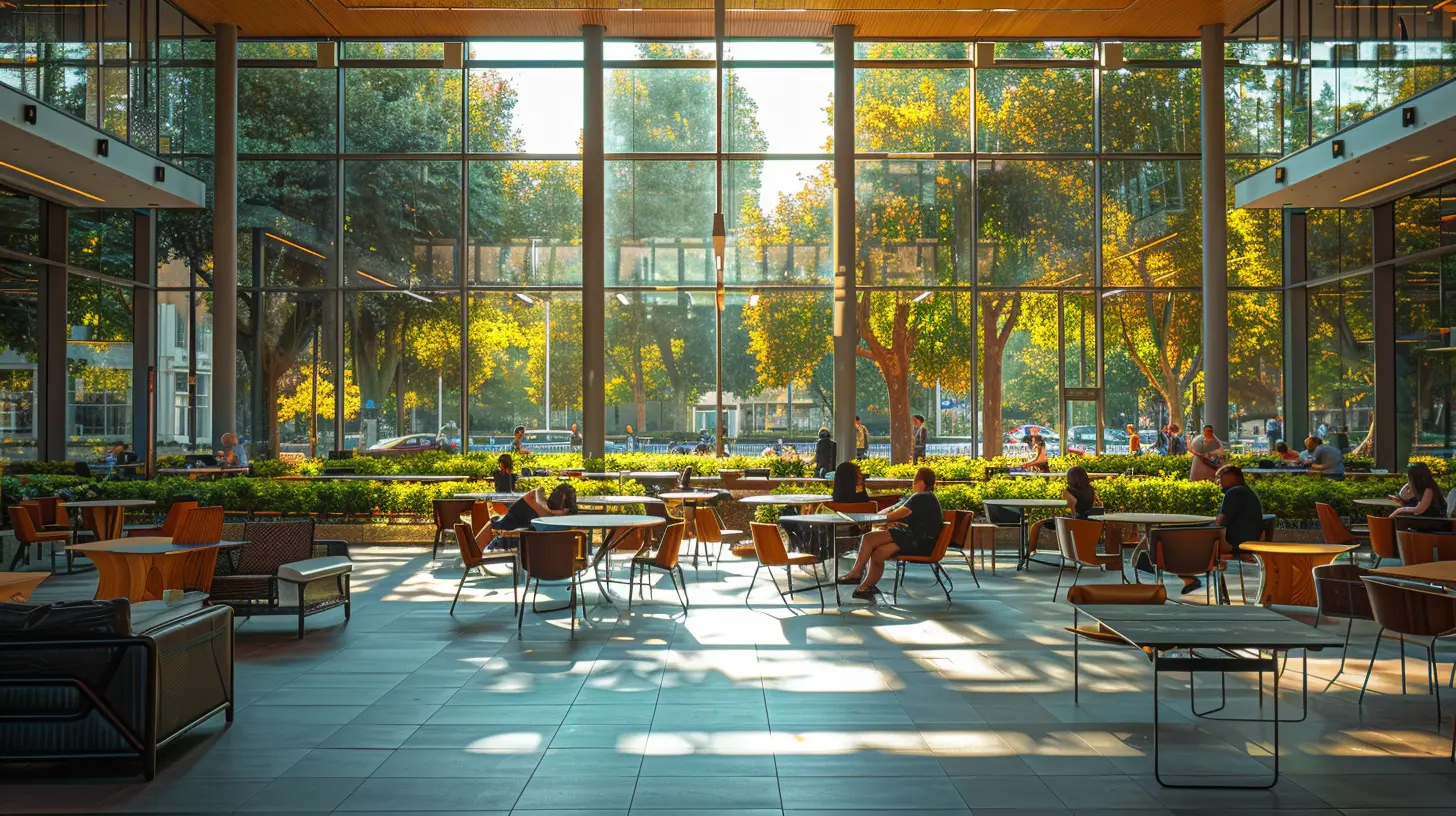
Psychologists talk about "third places" - spaces that are not home (first place) and not work or school (second place). These are the spots where community naturally forms. Think coffee shops, campus lounges, gyms, or even a bench under a big tree.By 2027, campus design will be more intentional about these spaces. But you still need to claim one. Pick a spot and become a regular. Go there at the same time a few times a week. Say hi to the same people. Eventually, you will start to recognize faces, and they will recognize you. That is the seed of a support system.
I had a friend who made his entire social circle by sitting in the same corner of the student union every Tuesday at 3 PM. He started chatting with the person next to him. That person introduced him to their study group. That study group became his core crew.
Step Four: Leverage the "Micro-Community" Trend
By 2027, large clubs and organizations will still exist, but the real magic will happen in micro-communities. These are small, focused groups of 5-15 people who share a specific interest. Not "the hiking club" with 200 members, but "the Tuesday morning trail runners" who meet at 6 AM.Micro-communities are easier to join and easier to connect with. You are not lost in a crowd. You are a named face. Look for these on campus. Check bulletin boards, social media groups, and even your class group chats. If you cannot find one, start one. Post a flyer. "Looking for 5 people to watch sci-fi movies every Friday. Pizza provided."
Starting a micro-community makes you the hub. People will gravitate toward you.
Step Five: Build Your Digital Support Layer
Here is the twist. By 2027, your support system will have a digital component whether you like it or not. But do not confuse digital with superficial. Use technology to deepen connections, not replace them.Create a group chat for your floor, your major, or your hobby. Use it to share resources, ask for help, and plan meetups. But set a rule: the chat is for organizing real life, not replacing it. If you only talk online, you will never build real trust.
Also, use tools like shared calendars or collaborative playlists. These small acts of coordination build a sense of shared life. When someone adds a song to your study playlist, it is a tiny gesture of belonging.
Step Six: Learn the Art of the Ask
This is the biggest barrier for most students. They are afraid to ask for help, afraid to ask for company, afraid to ask for a study session. Here is the secret: people want to be asked. It makes them feel needed.By 2027, social anxiety will be even more common. Everyone is waiting for someone else to make the first move. Be that someone. Ask the person next to you in class if they want to review notes. Ask your roommate if they want to grab dinner. Ask a classmate if they want to form a study group for that tough exam.
The worst they can say is no. And even then, you have lost nothing. You have only gained practice.
Step Seven: Create Rituals, Not Just Plans
Plans fall through. Rituals stick. A weekly dinner with the same people. A Sunday morning coffee run. A Wednesday night board game session. These are the rhythms that turn acquaintances into friends.By 2027, campus life will be more fragmented. People will have weird schedules, hybrid classes, and side hustles. Rituals cut through the chaos. They become the anchor points of your week.
Start small. "Every Thursday at 7, I am in the lounge with snacks. Come if you want." Do not overthink it. Consistency matters more than creativity.
Step Eight: Diversify Your Support Sources
Do not put all your social eggs in one basket. If your entire support system is one friend group, and that group falls apart, you are stranded. By 2027, build connections across different parts of your life.Have friends from your major. Have friends from your dorm. Have friends from a club. Have at least one faculty member you trust. Have a mentor from an internship or a career center.
This diversity protects you. If one group is busy or toxic, you have others to lean on. It also gives you different perspectives. Your study buddies can help with academics. Your club friends can help with stress relief. Your mentor can help with the big picture.
Step Nine: Be the Person You Want to Find
This is the golden rule of building a support system. If you want loyal friends, be loyal. If you want people who show up, show up for them. If you want someone who listens, listen first.Too many students approach friendship like a transaction. "What can this person do for me?" That mindset repels people. Instead, ask "What can I offer?" Offer your time. Offer your attention. Offer your snacks. Offer your help with a tough assignment.
By 2027, authenticity will be rare and valuable. Everyone is curating their life online. The person who is real, who admits they are struggling, who shows up without a filter - that person will attract a strong support system naturally.
Step Ten: Give It Time
Here is the part nobody wants to hear. Building a real support system takes months, not weeks. You will have awkward conversations. You will go to events where you feel like an outsider. You will have false starts with people who do not stick.That is normal. That is part of the process.
Do not judge your social life by the first month. Judge it by the first semester. By 2027, the students who thrive will be the ones who kept showing up even when it felt pointless. They kept knocking on doors. They kept inviting people. They kept being consistent.
And then one day, they looked around and realized they were surrounded by their people.
A Quick Note on Boundaries
A support system is not the same as being available 24/7. You need boundaries. You need to know when to say no. A healthy support system respects your time and energy.If someone is draining you, it is okay to pull back. If a group is toxic, it is okay to leave. Building a support system is about quality, not quantity. One true friend is worth more than twenty acquaintances who only take.
What to Do When You Feel Stuck
Maybe you have tried all of this and you still feel alone. That happens. It does not mean you are broken. It means you need to adjust your approach.Try a different club. Try a different time of day. Try talking to people you normally would not. Try volunteering. Try a part-time job on campus. Sometimes the best connections come from unexpected places.
Also, consider talking to a counselor. Many campuses have free mental health services. A counselor can help you work through social anxiety or loneliness. There is no shame in that.
The 2027 Advantage
By 2027, campuses will have more resources for connection than ever before. Peer mentoring programs. Social AI tools that help match students with similar interests. Better-designed common spaces. But none of that matters if you do not take the first step.Technology can help you find people. It cannot build the relationship for you. That is still your job.
Your Action Plan for This Week
Let me give you something concrete. Here is what you can do starting tomorrow.Day one: Smile and say hi to three strangers on campus. That is it. No pressure to have a conversation.
Day two: Find one person in your class and ask them a question about the homework. Even if you know the answer.
Day three: Go to one campus event. Stay for at least 30 minutes. Talk to at least one person.
Day four: Text someone you met earlier this week. Suggest a specific time to hang out.
Day five: Find a "third place" on campus. Go there. Sit for 20 minutes without looking at your phone.
Day six: Join one micro-community. A club, a study group, a sports team. Commit to attending the next meeting.
Day seven: Reflect. What worked? What felt hard? Adjust and repeat.
That is it. That is the system. Simple but not easy.
Final Thoughts
Building a support system on campus by 2027 is not about being the most popular person in the room. It is about being intentional. It is about showing up. It is about being the kind of friend you want to have.You do not need a hundred friends. You need a few good ones. You need people who see you, hear you, and have your back. And you need to be that for them too.
So start today. Knock on a door. Send that text. Go to that event. Your future self will thank you.
all images in this post were generated using AI tools
Category:
Student LifeAuthor:

Monica O`Neal
Discussion
rate this article
2 comments
Khloe Cruz
Building a support system on campus is crucial for students' well-being. It can be daunting, but remember, you are not alone. Connect with peers, faculty, and local resources. Each step you take can lead to a stronger, more resilient community. Together, we thrive.
June 30, 2026 at 10:28 AM
Monica O`Neal
Absolutely agree. Creating connections on campus makes a huge difference. Every step toward building a support system is a step toward a healthier, more engaged community. Let's encourage each other to reach out and thrive together.
Evren Hubbard
Building a support system on campus is essential for student well-being. Collaborating with peers and faculty can create a strong community.
May 3, 2026 at 2:17 AM
Monica O`Neal
I completely agree. A strong support system can make a huge difference in student life and foster a sense of belonging. Collaboration is key.