How to Assess Student Progress in a Bilingual Environment
1 January 2026
Assessing student progress is tough enough in a monolingual setting—but throw in two languages, and things can get a little more complicated, right? If you’re a bilingual teacher, parent, or school administrator, you’ve probably asked yourself, “How do we really know how well our bilingual students are doing?” That’s the million-dollar question—and today, we’re diving deep into the answer.
Let’s break it down together in a clear, practical, and (let’s be honest) totally human way. We’re not just talking test scores here—we're talking real growth, understanding, and the kinds of progress that matter both in and out of the classroom.
🧠 Why Assessing in a Bilingual Setting is Unique
First things first: bilingual education isn’t just about students translating from one language to another. It’s about developing two linguistic systems side-by-side. They’re learning content, sure—but they’re also learning how to express that content in different languages.Think about it like riding two bikes at once (wild image, right?). Managing balance, movement, and direction in both languages? Yeah, that takes skill—and it means assessment needs to be different, too.
Traditional assessments don’t always cut it. A student might deeply understand a math problem but struggle to explain it in their second language. So if we judge just by their explanation in that second language? We miss the full picture.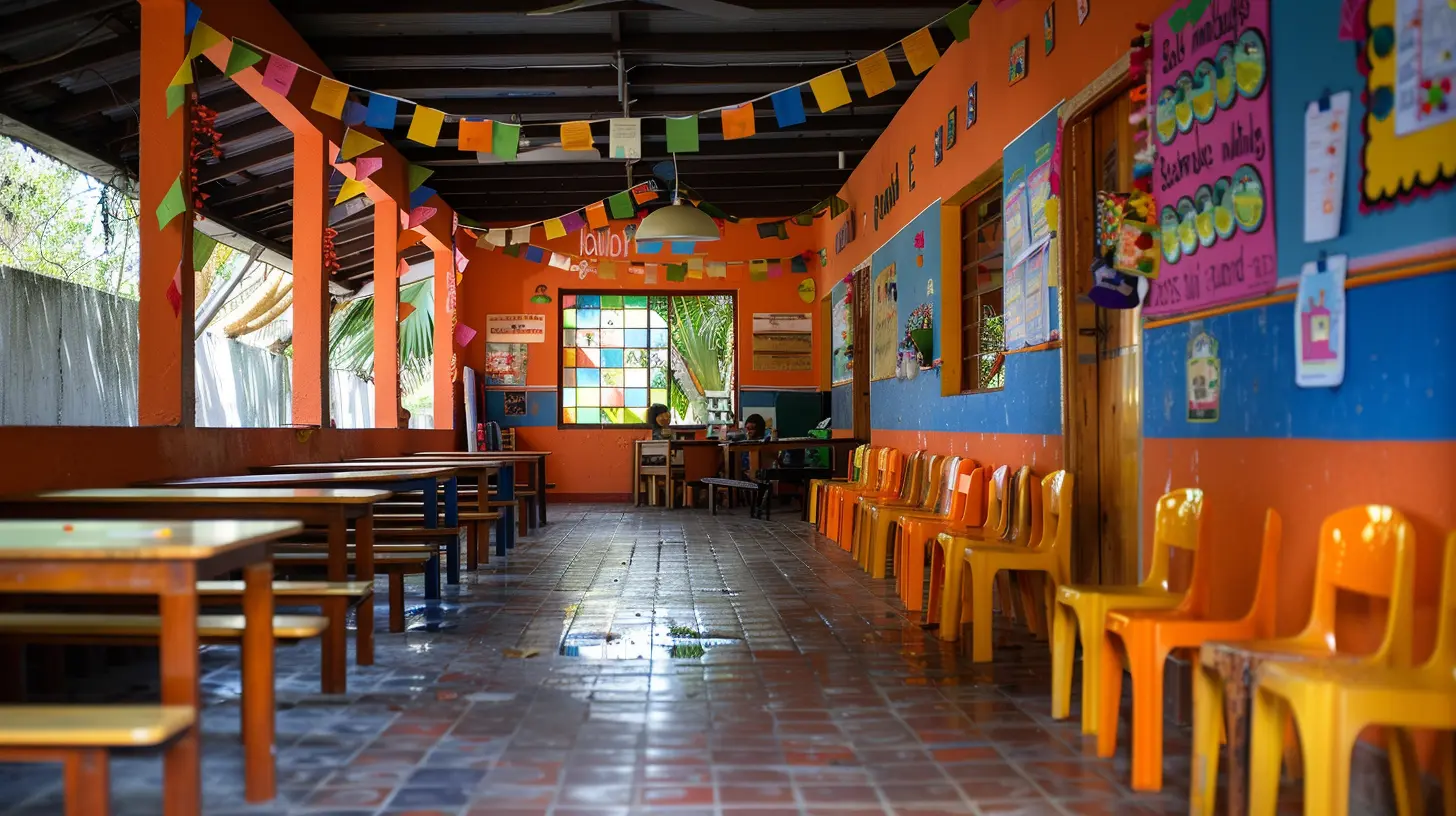
🎯 What’s the Goal of Assessment in Bilingual Settings?
Let’s get clear on something. The point of assessing student progress in a bilingual environment isn’t just to test language. It’s to:- Measure understanding of academic content
- Track language development in both languages
- Identify strengths and areas for support
- Guide teaching strategies and interventions
- Empower students and families with real, actionable feedback
The goal is growth—in knowledge and in communication. That means assessments should be designed with both lenses in mind.
🔍 The Key Challenges in Bilingual Assessment
Before we talk solutions, let’s be real about the obstacles. Bilingual assessment comes with its own bundle of unique challenges:1. Language Proficiency Confusion
Sometimes, what looks like a lack of understanding is really just a language roadblock. If a student can’t articulate an idea in their second language, it doesn’t mean they don’t know the answer.2. Limited Assessment Tools
Many standardized tests aren’t crafted with bilingual learners in mind. If they're only in one language, they can provide an incomplete (or worse, misleading) snapshot of a student's ability.3. Cultural Bias
Assessments rooted in one culture might miss the mark with students from another. Bilingual students often bring diverse cultural backgrounds to the table—which is awesome—but not always factored into testing.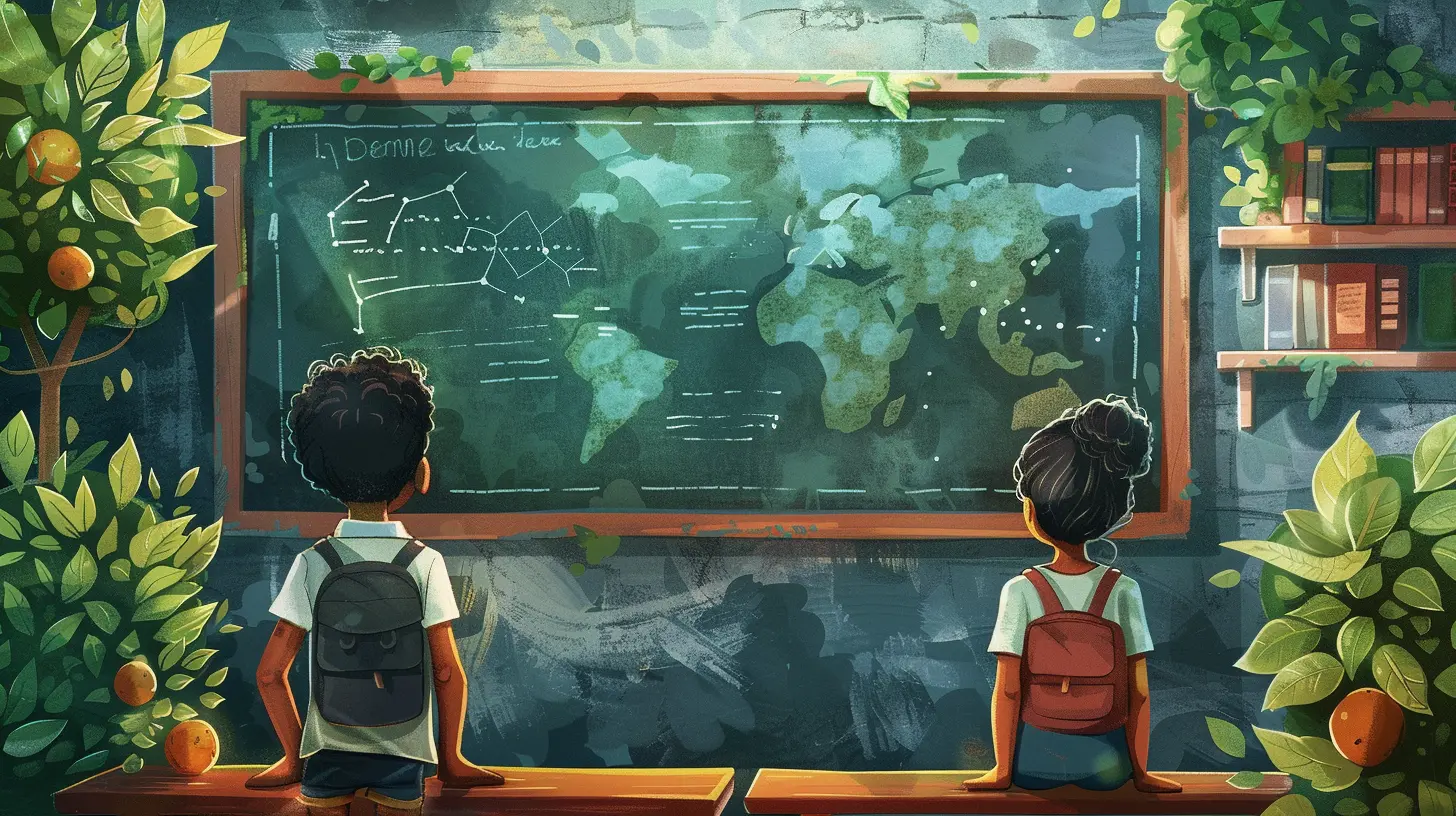
✨ Principles of Effective Bilingual Assessment
Okay, so how do we make assessments work in a bilingual environment? There’s no one-size-fits-all solution, but sticking to these principles can steer you in the right direction.✅ 1. Be Culturally and Linguistically Responsive
This is a fancy way of saying: know your students. Understand their languages, their backgrounds, and how they express learning. Use culturally relevant examples. Celebrate their bilingual journey.✅ 2. Focus on the Content, Not Just the Language
Imagine grading a science report only on grammar. Doesn’t make much sense, right? Assess what the student knows, even if their language use isn’t perfect yet.✅ 3. Use Multiple Measures of Assessment
Don't put all your eggs in one testing basket. Mix it up:- Observations
- Portfolios
- Oral presentations
- Peer and self-assessments
- Performance-based tasks
- Traditional written exams (when appropriate)
Each tool gives you a different angle on the student’s progress.
✅ 4. Assess Both Languages (When Appropriate)
If your goal is to develop bilingual proficiency, make space for students to show what they know in both languages. Some skills might be stronger in one language than the other—and that’s perfectly normal.📚 Practical Strategies to Assess Student Progress
Let’s get into the nuts and bolts. What can teachers, schools, and parents actually do to track student progress in a bilingual environment? Here are some ideas you can start using, like, tomorrow.1. Use Language Scaffolds in Assessments
Not every student is at the same language level—and that's okay. Give supports like word banks, sentence frames, or even bilingual glossaries during tests. They’re not "cheating"—they’re bridges to understanding.2. Allow Code-Switching in Early Stages
Code-switching (switching between two languages while speaking or writing) is often a sign of language fluidity. Don’t penalize students for using both languages—it can actually be an excellent indicator of progress.3. Conduct One-on-One Interviews
Sometimes, a simple conversation reveals way more than a written test. Talk with students about what they’ve learned, even if it’s informal. Use both languages to get a clearer picture.4. Involve Peer Assessment
Kids learn from each other—and sometimes, they explain things better than adults. Let them assess each other’s work using bilingual rubrics. It reinforces content and builds community.5. Track Language Growth Over Time
A bilingual student’s language development won’t happen overnight. Keep running records, audio clips, or journals to show growth over weeks and months. It’s satisfying for both teacher and student to see that progress on paper!6. Incorporate Visuals and Non-Linguistic Tools
Don’t underestimate the power of a well-drawn diagram, a strong PowerPoint, or a poster project with minimal text. Sometimes showing is even better than telling—especially in a second language.7. Use Rubrics That Separate Language and Content
Design rubrics that have two columns: one for mastery of concepts or skills, and one for language proficiency. That way, a student who knows their stuff isn’t unfairly penalized for language challenges.🧑🏫 Role of Teachers: More Than Just Graders
Teachers are the front-line heroes when it comes to assessing bilingual students. But in this role, they wear many hats: observer, coach, cheerleader, detective.Observation goes a long way here. Little things—like how a student interacts in group work or explains their thinking—can be powerful indicators of growth.
Also, don’t underestimate the power of regular check-ins. A quick “What was the most interesting thing you learned today?” can give insights no test ever could.
🏠 Involving Families in Bilingual Assessment
Parents and guardians can be amazing partners in tracking progress—especially in bilingual households. But only if we invite them in.Send home updates in both languages. Share student work samples. Offer parent-teacher conferences with language support. When families understand how their children are being assessed, they can reinforce learning at home in meaningful, supportive ways.
🧩 Avoiding Common Pitfalls
Let’s be honest—there are a few traps that are easy to fall into. Here are some to avoid:- Over-relying on standardized testing: These often don’t show true understanding and can be discouraging for bilingual learners.
- Equating language with intelligence: A quiet or struggling student isn’t "less smart"—they may just be processing in their less dominant language.
- Neglecting one language: If students are only assessed in their stronger language, we may not support growth in the weaker one.
💡 Final Thoughts: Progress Isn’t Always Linear
Here’s the thing: learning in two languages is amazing—but it’s also messy. There will be backslides, plateaus, and sudden leaps forward. That’s normal.The key is to create assessment systems that recognize all the ways a student can grow, across both languages and a range of skills. When we do that, we’re not just measuring progress—we’re nurturing it.
So, whether you’re a teacher crafting the next assessment, a parent looking at a report card, or a school leader designing evaluation policies—remember: bilingual learners are doing something remarkable. Let’s make sure our assessments reflect that.
✏️ Quick Recap: Best Practices for Bilingual Assessment
- Use tools that evaluate both content and language separately- Be culturally and linguistically responsive
- Mix up assessment styles (oral, visual, written, etc.)
- Use both languages strategically
- Track language growth over time—not just content mastery
- Partner with families for a fuller picture
- Focus on progress, not perfection
all images in this post were generated using AI tools
Category:
Bilingual EducationAuthor:

Monica O`Neal
Discussion
rate this article
2 comments
Azriel Franklin
Embrace the journey! Assessing bilingual progress is a fun puzzle that reveals each student’s unique strengths and growth. Keep shining!
February 17, 2026 at 4:10 AM
Monica O`Neal
Thank you! Embracing each student’s unique journey truly enhances our understanding of their bilingual progress.
Sophie McGinnis
Empowering students in a bilingual environment fosters growth and resilience. By implementing effective assessment strategies, we celebrate unique journeys, ensuring every learner's voice is heard. Let’s inspire confidence and embrace every step of their progress!
January 14, 2026 at 4:29 AM
Monica O`Neal
Thank you for your insightful comment! I completely agree that empowering students and celebrating their unique journeys are essential for fostering growth in a bilingual environment.