How School Boards Influence Local Education Policy
3 December 2025
Let’s be real for a second—most people don’t spend their Friday nights thinking about school boards. But maybe they should. These elected (or sometimes appointed) folks have a much bigger impact on your child’s day-to-day school experience than you might think. From what gets taught in classrooms to how school budgets are spent, school boards are the unsung heroes—or villains, depending on your point of view—of local education policy.
So, if you’ve ever wondered, “Who really decides what goes on in schools?”, buckle up. We're diving deep into school boards, how they work, and why their decisions matter more than you might imagine.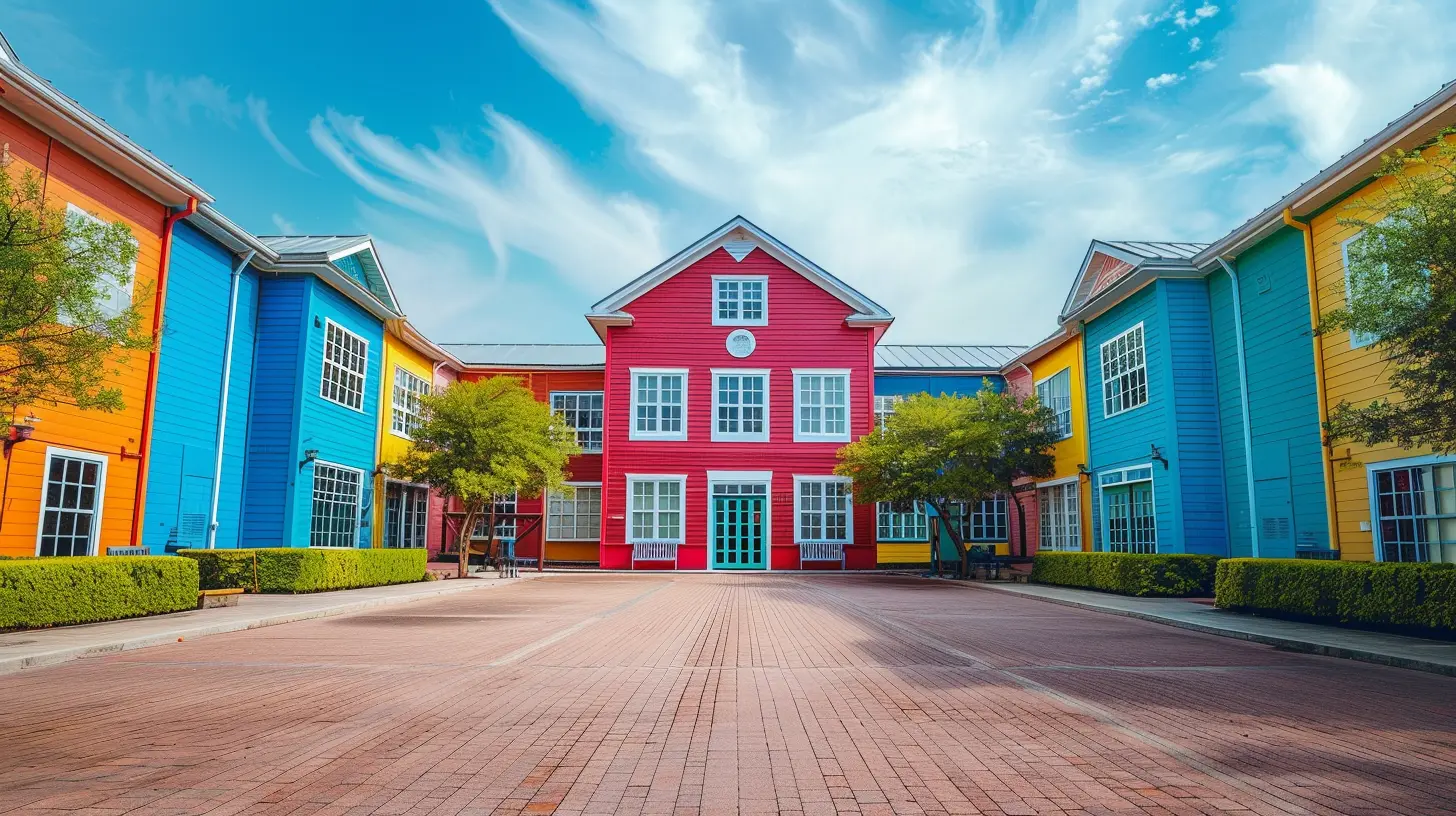
What Exactly Is a School Board?
Let’s kick things off with the basics. A school board is typically a group of elected individuals who oversee a school district. Think of them like the board of directors for your child’s education. Their job is to set policies, approve budgets, hire the superintendent, and generally steer the academic ship.Each board member brings different priorities and opinions to the table, but their main role is to represent the interests of the community—and ideally, the students.
Kind of like referees in a game, they don’t necessarily play, but they sure do influence how the game goes.
How Are School Board Members Chosen?
This part varies a bit depending on where you live. In most places, board members are elected by voters in local elections. In others, they’re appointed by city officials or even the governor.Elections usually fly under the radar. We're talking about voter turnout of less than 20% in some areas. But considering the weight of the job, these low-key elections have high-stakes consequences.
So yep, your vote for school board really counts.
Key Responsibilities of a School Board
You might be surprised at how much power school boards pack. Let’s break down some of their main duties:1. Setting Curriculum Standards
Ever wondered who decides if your kid learns about climate change in science or reads “To Kill a Mockingbird” in English class? That’s right—your local school board.While they don’t write the textbooks or teach the classes, they approve the curriculum and educational resources. Their decisions can determine whether students are exposed to diverse perspectives or taught more traditional content.
2. Approving the Budget
Here’s where the money talk comes in. School boards manage hefty budgets—often in the millions—to fund schools, pay teachers, maintain facilities, and more.They prioritize spending. Should more money go to technology upgrades? What about after-school programs? Or mental health support? These choices influence the quality of education students receive.
3. Hiring and Evaluating the Superintendent
Think of the superintendent as the CEO of the school district. The board hires this person and is responsible for reviewing their performance.If you’ve got issues with how schools are being run, chances are good the board and the superintendent have something to do with it.
4. Writing and Enforcing Policies
From attendance rules to disciplinary policies to health protocols (remember mask mandates?), school boards are the ones laying down the law.They may also push for policies around inclusivity, equity, and special education, which can drastically shift the school climate.
5. Representing the Community
Board members are supposed to reflect the community's values and advocate for what parents, teachers, and students care about most.Of course, that gets tricky when the community itself is divided—but hey, that’s democracy in action.
How School Boards Shape Education Policy
Now let’s connect the dots. All these responsibilities come together in how boards influence education policy—you know, the rules and priorities that shape what goes on in classrooms.They Translate State and Federal Policies into Local Action
States and the federal government pass lots of laws about education—but it’s up to local boards to implement them. For example, a state might mandate standardized testing, but the board decides which tests to use and how to prepare students.They’re the link between big-picture policy and boots-on-the-ground implementation.
They Push for Innovations (Or Not)
Want your school district to go green? Add coding classes? Start dual-language immersion programs? School boards can lead the charge—or they can put on the brakes.Their openness (or resistance) to change can make the difference between a district that thrives and one that falls behind.
They Influence Equity in Education
This one's huge. School boards can intentionally close achievement gaps by allocating resources to underserved students. Or, sadly, they can ignore inequities altogether.If a board is committed to equity, you’ll see efforts like inclusive curricula, diverse hiring, and anti-bias training.
They Respond to Community Pressure
When parents start showing up to board meetings in droves—whether it’s about mask mandates, book bans, or school safety—you can bet something’s going to shift.School boards are deeply responsive to public opinion, which means your voice actually matters. A lot.
Real-Life Examples of Influence
Need some receipts? Let’s look at a few real-world situations where school boards flexed their policy muscles:Mask Mandates During COVID-19
Some school boards insisted on mask mandates to keep students safe. Others pushed back, citing parental choice. These decisions affected how safe people felt sending their kids to school—and even whether schools stayed open.Cultural Curriculum and Book Bans
In recent years, some boards have faced backlash for removing books covering topics like race, gender, and sexuality. Others doubled down on creating inclusive libraries. These moves sparked national attention and lawsuits, showing how local decisions can stir up big conversations.Funding for Mental Health Resources
After increases in student anxiety and depression, many school boards approved funding for more counselors and wellness initiatives. That’s a direct policy response to a community need.Why You Should Care (Even If You Don’t Have Kids)
Think this doesn’t affect you because you don’t have school-aged kids? Think again.Stronger Schools = Stronger Communities
Great schools improve property values, attract businesses, and create a better quality of life—period.Tomorrow’s Leaders Are in Classrooms Today
The students in school today will be tomorrow's doctors, engineers, voters, and, yeah, even school board members. The education they receive affects everyone.How to Get Involved With Your Local School Board
Here’s the best part—you don’t have to sit on the sidelines.1. Attend School Board Meetings
These are public, open to everyone, and usually held monthly. You can learn a LOT and even get a chance to speak during public comment sessions.2. Run for a Seat
Seriously. If you’re passionate about education and want to make a difference, consider throwing your hat in the ring. You don’t need to be a policy wonk—just someone who cares.3. Stay Informed and Vote
Find out who's running, what they stand for, and VOTE. A few hundred votes can swing a school board race.Final Thoughts: School Boards Matter—Big Time
So, what’s the big takeaway here? School boards might not be flashy, but their decisions shape the educational lives of millions of kids, every single day. They decide what gets taught, how schools operate, and where funding goes.If you care about education, your voice needs to be in the room where it happens. Whether that means voting, attending meetings, or just staying informed, don’t underestimate the power of your local school board—or your role in influencing it.
Let’s put it this way: while presidents and senators get a lot of attention, it’s often your local school board making the decisions that hit closest to home.
So next time someone brings up school policies, you’ll know exactly where the conversation starts—and why it matters so much.
all images in this post were generated using AI tools
Category:
Education PolicyAuthor:

Monica O`Neal
Discussion
rate this article
2 comments
Aleta Barrett
School boards are pivotal in shaping educational policies, directly impacting student outcomes and community engagement.
December 25, 2025 at 3:59 AM
Monica O`Neal
Thank you for your insight! I completely agree that school boards play a crucial role in shaping policies that affect both student success and community involvement.
Dax Reyes
This article effectively highlights the pivotal role school boards play in shaping local education policy. By understanding their influence, stakeholders can better advocate for improvements and ensure that policies meet the needs of students and the community. Great insights!
December 6, 2025 at 4:41 AM
Monica O`Neal
Thank you for your thoughtful comment! I'm glad you found the insights on the role of school boards in shaping education policy valuable.