Effective Strategies for Teaching in a Bilingual Classroom
16 June 2026
Teaching is already a juggling act, but throw two languages into the mix, and it can feel like you’re balancing on a tightrope while doing cartwheels. Bilingual classrooms are growing globally, and with that growth comes a set of unique challenges—and incredible opportunities. So if you’re a teacher navigating the bilingual waters, buckle up. We’re about to unpack some game-changing strategies that'll help you not just survive, but thrive in a bilingual learning environment.
Let’s get into the nitty-gritty.
Why Teaching in a Bilingual Classroom is a Whole New Ball Game
Teaching in a regular classroom? Tough but doable. Teaching in a bilingual classroom? That’s next-level. Why? Because you're not just delivering content—you’re doing it in two languages that may not be equally understood by all your students.But here’s the cool part: students in bilingual classrooms have a superpower in the making. They’re developing cognitive flexibility, problem-solving skills, and a deeper cultural appreciation. Your job? To guide them on that journey without letting the language barrier become a brick wall.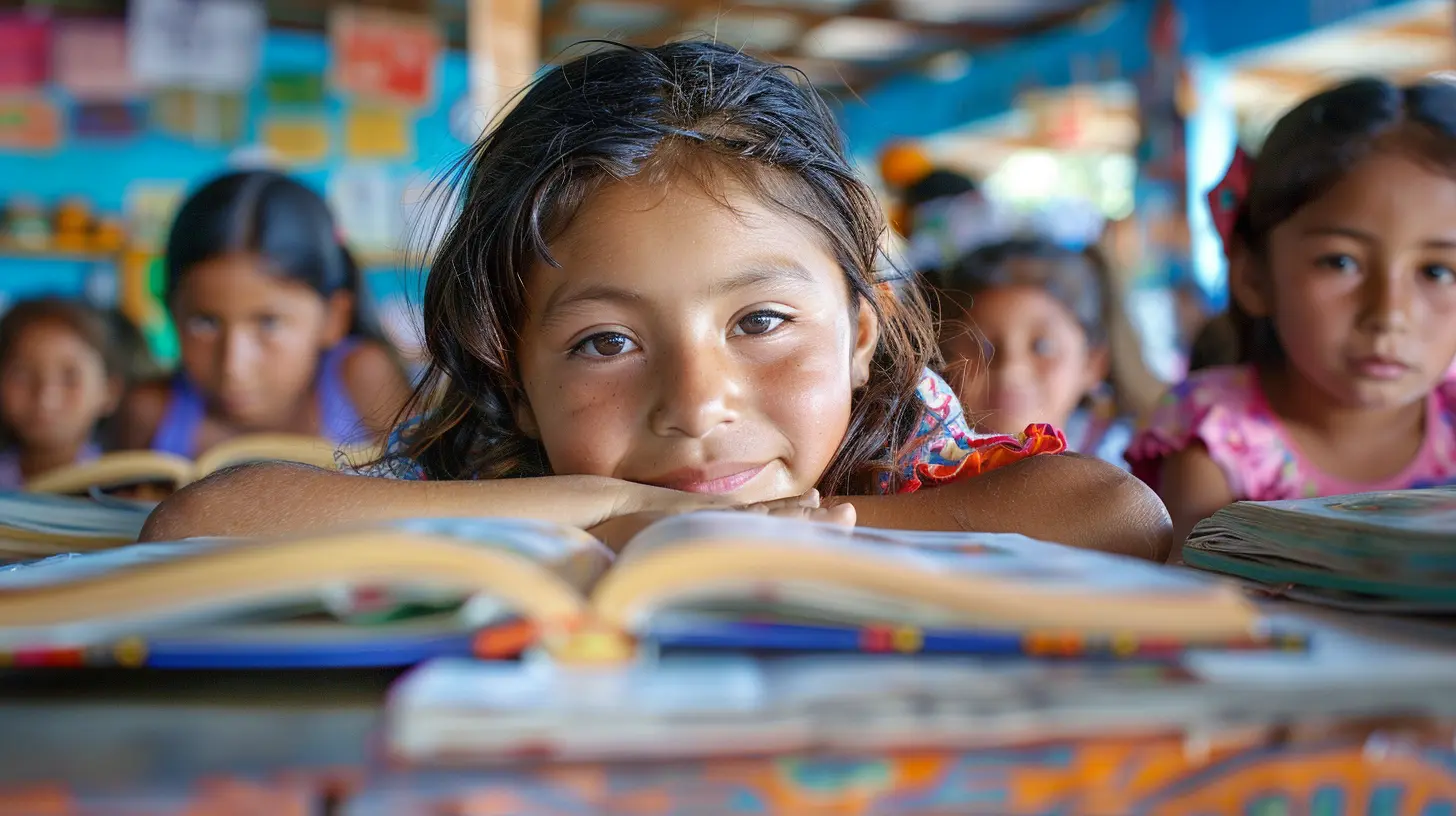
Strategy #1: Know Your Students, Like Really Know Them
Before you even think about lesson planning, you need to understand your students’ language backgrounds. Are they dominant in English? Native speakers of another language? Somewhere in between?? Conduct a quick, informal survey or one-on-one interviews.
? Gather info on which language they speak at home.
? Find out which language they’re more comfortable reading or writing in.
This insight? It’s gold. It helps tailor instruction and prevent one-size-fits-all teaching—'cause let’s be honest, that never really works anyway.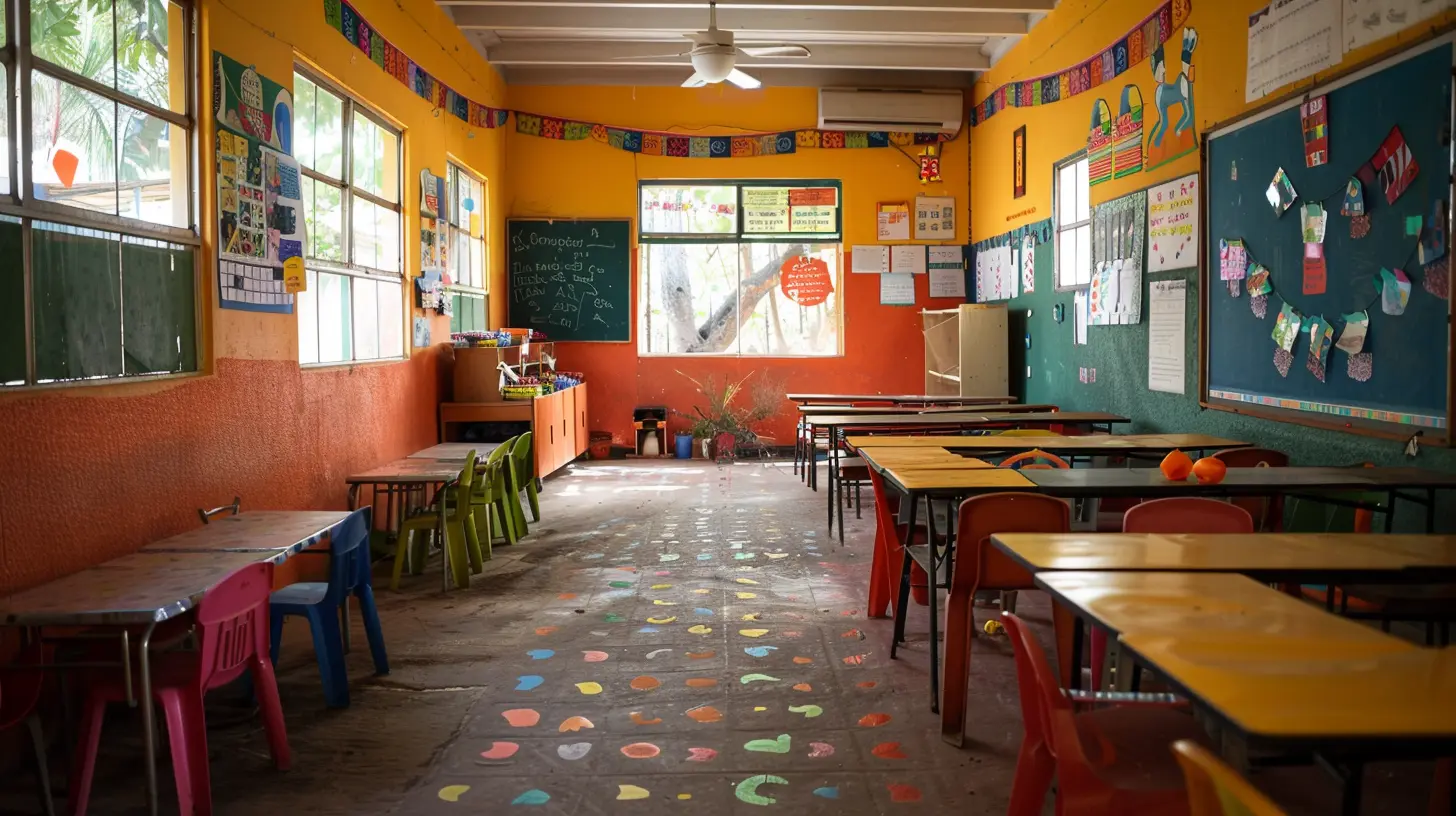
Strategy #2: Use Both Languages—But With Purpose
You might think using both languages in every class is a no-brainer. But here’s the twist: code-switching (moving between languages) is powerful when done intentionally.Imagine you’re explaining a complex math concept. Start in the students' weaker language to build that skill, but clarify in their stronger language so you’re not losing anyone. It’s like building scaffolding—they can climb higher because you’ve supported them at just the right points.
And don’t forget to:
- Label classroom items in both languages.
- Post bilingual anchor charts.
- Alternate languages in small discussions or reading groups.
Make both languages visible and valuable.
Strategy #3: Teach Vocabulary Like Your Job Depends on It (’Cause It Kind of Does)
Words are the building blocks of understanding. In bilingual classrooms, limited vocabulary can seriously hold students back—especially in academic content.Let’s break it down:
- Teach key vocabulary before lessons (front-load them).
- Use visuals, gestures, and real-life objects to make meanings clear.
- Revisit words often. Repetition isn’t “extra”—it’s essential.
And here’s a trick I love: Total Physical Response (TPR). It’s where you pair movements with vocabulary to help lock in meaning. Imagine teaching the word “jump” while actually jumping. Silly? Maybe. Effective? Always.
Strategy #4: Keep Instructions Crystal Clear
Imagine getting directions in a language you don’t fully understand. Frustrating, right?Keep your classroom instructions short, simple, and supported by visuals. Better yet, model the task. Students should never have to guess what’s expected of them.
✔ Break tasks into steps
✔ Write directions on the board—in both languages if possible
✔ Check for understanding (not just “Do you get it?” but “Tell me what you’ll do first.”)
Clear communication helps everyone stay on the same page—and lowers anxiety big time.
Strategy #5: Group Work = Gold
One of the best things you can do? Get students talking—to each other.Pair or group students strategically. A mix of language strengths in each group can boost peer learning. When a student has to explain something to a peer, they have to really understand it themselves. Talk about a win-win.
And don’t worry if the conversation slips into their native language sometimes—that’s scaffolding at work. The goal is comprehension and expression.
Plus, group work fosters classroom community, which is a big deal in bilingual spaces where students might initially feel isolated.
Strategy #6: Celebrate Both Languages and Cultures
Your students’ languages aren’t obstacles; they’re assets. Treat them that way.Embed both languages—and the cultures they represent—into your everyday teaching. Think bilingual bulletin boards, multicultural books, and music from different countries.
Even small gestures matter:
- Greet students in both languages.
- Encourage kids to share traditions during classroom activities or presentations.
- Invite family members to share stories or food from their cultures.
When students see their identities reflected in the classroom, their confidence skyrockets—and that confidence? It fuels academic risk-taking.
Strategy #7: Tap Into Tech (But Wisely)
Technology can be a game-changer in bilingual education. From translation tools to apps that support dual-language learning, the digital world is full of resources.Some favorites:
- Google Translate for quick word help (just don’t rely on it too much).
- Duolingo or Quizlet for vocabulary practice.
- Rewordify to simplify complex English texts.
But a word of caution: not all tech is created equal. Choose tools that foster interaction and understanding, not just passive screen time.
Strategy #8: Adapt Assessments, Don't Abandon Them
Testing in bilingual classrooms can be tricky. But ditching assessments altogether? Not an option.Instead, tweak them to be language-sensitive. That might mean:
- Allowing extra time.
- Offering oral options instead of written.
- Using visuals in your questions.
- Translating parts of the test (with care to keep content accurate).
The goal is to assess knowledge, not English fluency—unless that’s the skill you’re testing. Big difference.
Strategy #9: Partner With Families
Parents and caregivers are your secret weapon. But if there’s a language barrier, communication might break down before it even starts.Make an effort to:
- Send home bilingual newsletters or text alerts.
- Use translation apps during conferences.
- Encourage parents to read or speak in their native language at home—it builds strong literacy skills no matter the language.
When families feel like partners, students feel supported from all sides.
Strategy #10: Be Patient, Flexible, and Real
Rome wasn’t built in a day, and your bilingual classroom won’t be perfect overnight either.Some lessons will flop. Some students will struggle longer than expected. That’s okay.
Stay flexible. Reflect often. Adjust your strategies. And most importantly—celebrate the tiny wins. That one quiet student who finally spoke up? Huge. That tough lesson that actually clicked? Frame it.
Your attitude sets the tone. If you believe in your students and their potential, they will too.
Final Thought: Bilingual Classrooms Are Brave Spaces
Teaching in a bilingual classroom is not for the faint of heart. It takes creativity, patience, and a boatload of enthusiasm. But it’s also one of the most rewarding gigs out there.Because when you teach bilingually, you’re not just opening textbook pages. You’re opening minds to new ways of thinking, communicating, and connecting with the world.
So lean into the challenge—and keep showing up with heart.
You’ve got this.
all images in this post were generated using AI tools
Category:
Bilingual EducationAuthor:

Monica O`Neal
Discussion
rate this article
1 comments
Isaac Jennings
Teaching in a bilingual classroom is a rewarding challenge. Embrace each student's unique background and use creative strategies to foster understanding. When we celebrate language diversity, we not only enhance learning but also build a strong, inclusive community for all.
June 25, 2026 at 10:22 AM
Monica O`Neal
Thank you for highlighting the importance of embracing diversity in the classroom. Using creative strategies truly makes a difference in fostering understanding and building community.