Creative Games to Boost Engagement in Your PE Class
20 March 2026
Physical Education (PE) can sometimes feel like a chore for students, especially if the same old games are played repeatedly. Want to inject some energy and excitement into your PE classes? The secret lies in creative games that not only get students moving but also make them eager to participate. The right activities can turn a sluggish class into an action-packed experience filled with laughter, teamwork, and learning.
In this article, we'll explore a variety of engaging games that promote physical activity, teamwork, and fun while ensuring every student stays involved.
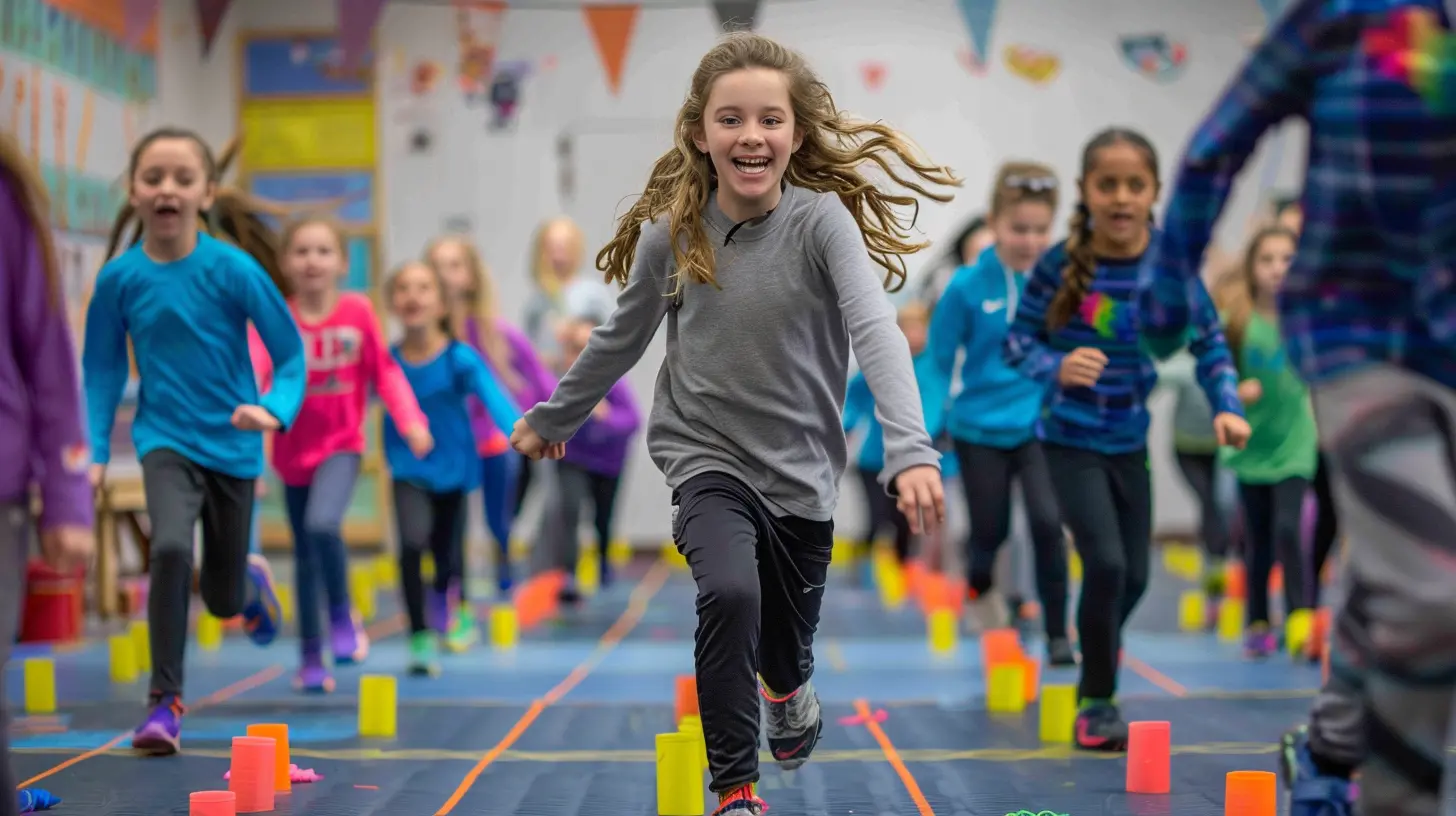
Why Engagement Matters in PE
Before we dive into the games, let’s talk about why engagement matters. If students aren't interested, they're less likely to participate, which means they miss out on important physical benefits. Engagement also fosters teamwork, social skills, and a love for healthy movement. The right games can make even the most reluctant students excited to join in.Now, let's look at some tried-and-true creative games that can make your PE class the highlight of the school day! 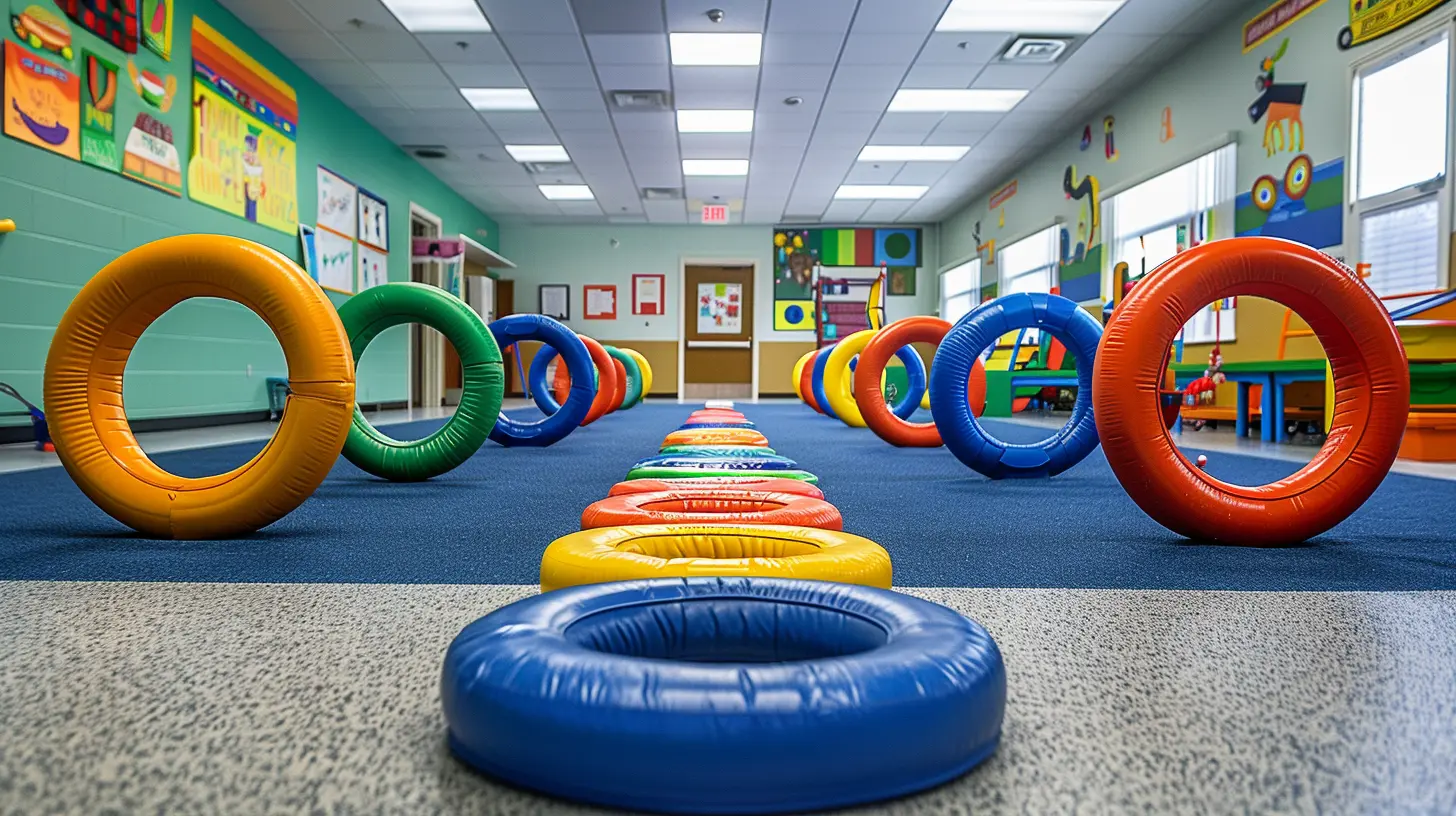
1. Ultimate Rock, Paper, Scissors
How to Play:
This is an exciting twist on the classic hand game. Players start in pairs, playing regular Rock, Paper, Scissors. The winner moves on to challenge another winner, while the loser becomes their "cheerleader," rooting for them in the next round. The game continues until there's one final champion, with the entire class cheering them on!Why It Works:
- Fosters teamwork and positive peer encouragement- Keeps all students engaged, even if they're out of the main competition
- Requires no equipment, making it easy to set up
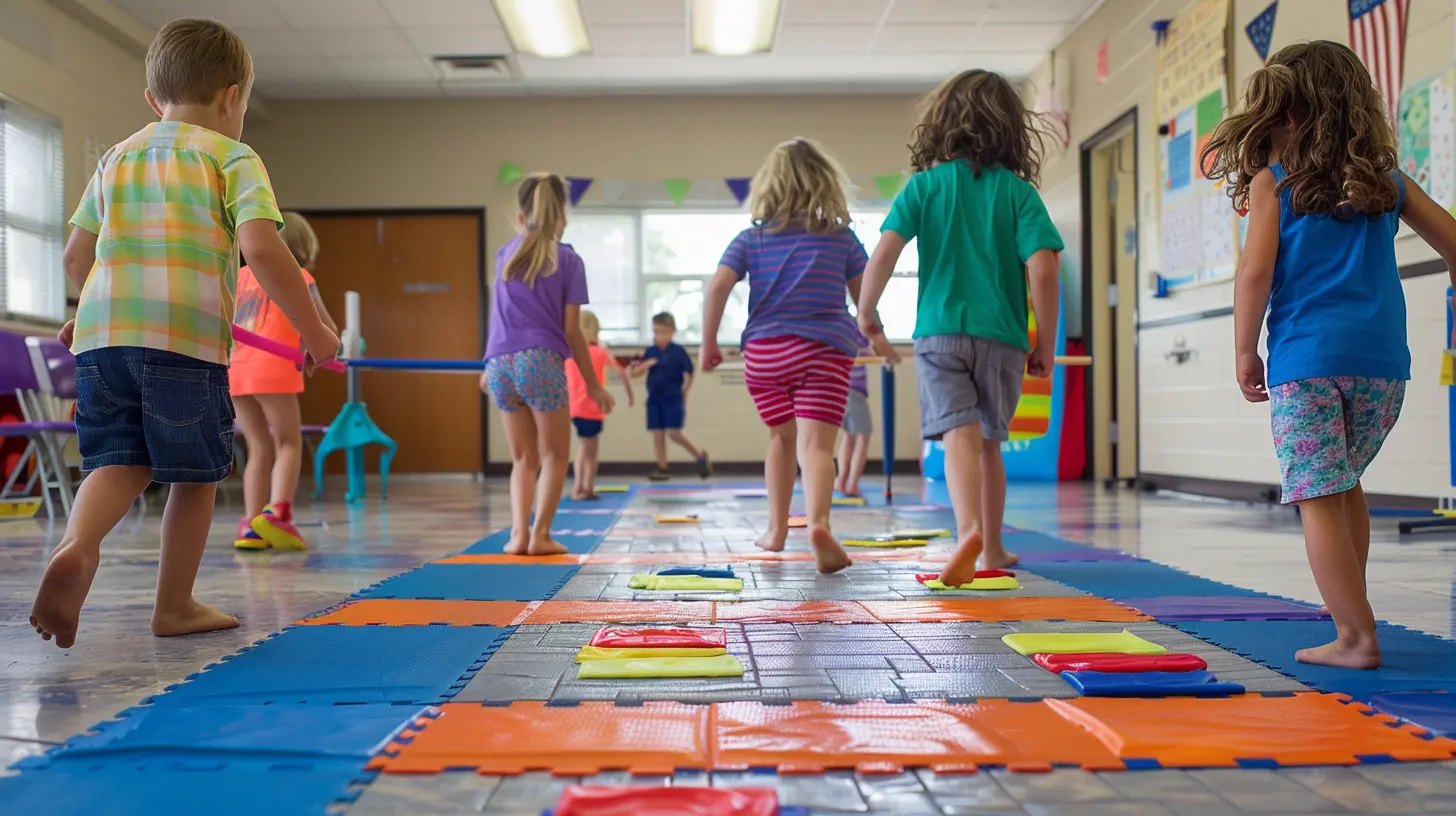
2. Relay Race with a Twist
How to Play:
Divide students into teams. Instead of a simple running race, add fun obstacles like jumping over cones, crawling under ropes, or balancing a beanbag on their head while running. You can even include silly movements like hopping like a frog or walking backward.Why It Works:
- Encourages teamwork and strategy- Adds variety, preventing boredom
- Allows students of different skill levels to contribute in unique ways
3. Human Knot
How to Play:
Students stand in a circle, reach across, and grab two different hands. The goal? Untangle themselves without letting go of each other’s hands. It requires communication, patience, and teamwork.Why It Works:
- Promotes problem-solving skills- Helps students bond as a team
- Provides a fun, puzzle-like challenge
4. Hula Hoop Pass
How to Play:
Students stand in a circle, holding hands. Place a hula hoop around one student’s arm, and the goal is to pass the hoop around the circle without breaking hand contact.Why It Works:
- Encourages cooperation and quick thinking- Helps with flexibility and coordination
- Can be played at different difficulty levels by adding more hoops or setting a time limit
5. Sharks and Minnows
How to Play:
This classic tag-style game starts with one or two players as "sharks" in the middle of the gym or field. The remaining students, the "minnows," line up on one side. When the whistle blows, minnows try to run to the other side without being tagged by a shark. Anyone tagged becomes a shark in the next round.Why It Works:
- Gets students running and improving agility- Can be modified for different age levels
- Keeps students engaged since even those tagged become part of the game
6. Castle Dodgeball
How to Play:
Instead of traditional dodgeball, where players are eliminated, divide the class into teams and have them build "castles" using cones or soft blocks. The goal is to knock down the other team’s castle while protecting their own.Why It Works:
- Encourages strategic thinking- Keeps all players involved even if they get hit
- Reduces the negative aspects of traditional dodgeball (like players sitting out)
7. Mirror Movement
How to Play:
Pair students up. One student is the "leader," and the other must mimic their movements as if they were looking in a mirror. Change leaders every few minutes to keep things fresh.Why It Works:
- Improves focus and coordination- Encourages students to be observant
- Can be used as a warm-up before other activities
8. Mission Impossible
How to Play:
Set up an obstacle course where students must get from one end to the other without touching the ground. Use mats, ropes, cones, and other equipment to make it challenging.Why It Works:
- Encourages problem-solving and teamwork- Makes use of different physical skills (jumping, crawling, balancing)
- Feels like an adventure, making students want to participate
9. Color Tag
How to Play:
One student is "it" and calls out a color. Players wearing that color must run to a safe zone before being tagged. If tagged, they either join the tagger or perform a short physical challenge before returning.Why It Works:
- Works well for younger students learning colors- Keeps students engaged even when not directly involved
- Can be modified to include items instead of clothing (e.g., "Anyone with a shoelace runs!")
10. Fitness Monopoly
How to Play:
Create a giant Monopoly-style board using cones or mats as "spaces." Each space has a different fitness challenge written on it (e.g., "10 jumping jacks," "5 burpees"). Students roll a die and move around the board, completing exercises at each stop.Why It Works:
- Makes fitness exercises feel like a game- Encourages students to push themselves physically
- Can be adapted to different fitness levels
Tips for Keeping Students Engaged During PE
Even the best games can fall flat without the right approach. Here are some tips to make sure your students stay engaged:1. Keep Things Moving
Long explanations lose students’ attention. Show them how to play quickly and let them learn as they go.2. Encourage Teamwork
Games that involve working together help students build social skills and keep competition friendly.3. Switch Up the Games Regularly
Repetition can lead to boredom. Introduce new activities every few weeks to keep things exciting.4. Make It Student-Centered
Let students have a say in the games they play. Giving them choices increases buy-in and enthusiasm.5. Focus on Fun, Not Just Fitness
Not every student is naturally athletic, but that doesn’t mean they can’t enjoy PE. Keep games fun and inclusive so everyone feels successful.Final Thoughts
PE class doesn’t have to be all about running laps or playing the usual sports. By incorporating creative, engaging games, you can turn even the least enthusiastic students into active participants. Whether it’s a silly relay race or an exciting game of Sharks and Minnows, the key is making movement enjoyable.So, next time you're planning a PE lesson, try one of these games and watch your students light up with excitement!
all images in this post were generated using AI tools
Category:
Physical EducationAuthor:

Monica O`Neal
Discussion
rate this article
2 comments
Zarek McKinnon
Engaging students in PE can transform their love for fitness! These creative games not only promote physical activity but also foster teamwork and enthusiasm. Let's inspire our future leaders with fun and innovative ways to stay active together!
April 11, 2026 at 5:01 AM
Monica O`Neal
Absolutely! Creative games can make all the difference in student engagement and help build a lifelong love for fitness. Let's keep the energy high and the ideas flowing!
Clover Garcia
Because who needs traditional sports when you can turn gym class into a game show? Bring on the glitter and disco balls, right?
March 22, 2026 at 4:55 AM
Monica O`Neal
Absolutely! Mixing fun elements like game shows can make PE exciting and boost engagement. Let the creativity shine!