Building Classroom Environments that Cater to Kinesthetic Learners
2 December 2025
When we think about learning, we often picture students sitting quietly, reading textbooks, or listening to lectures. But for kinesthetic learners, this traditional approach can feel like trying to read a book upside down—frustrating and ineffective. These students thrive on movement, hands-on experiences, and physical engagement.
So how can educators design classrooms that truly support kinesthetic learners? In this article, we’ll break down exactly what makes a classroom kinesthetic-friendly, why it matters, and practical tips to create a learning space where these students can excel.
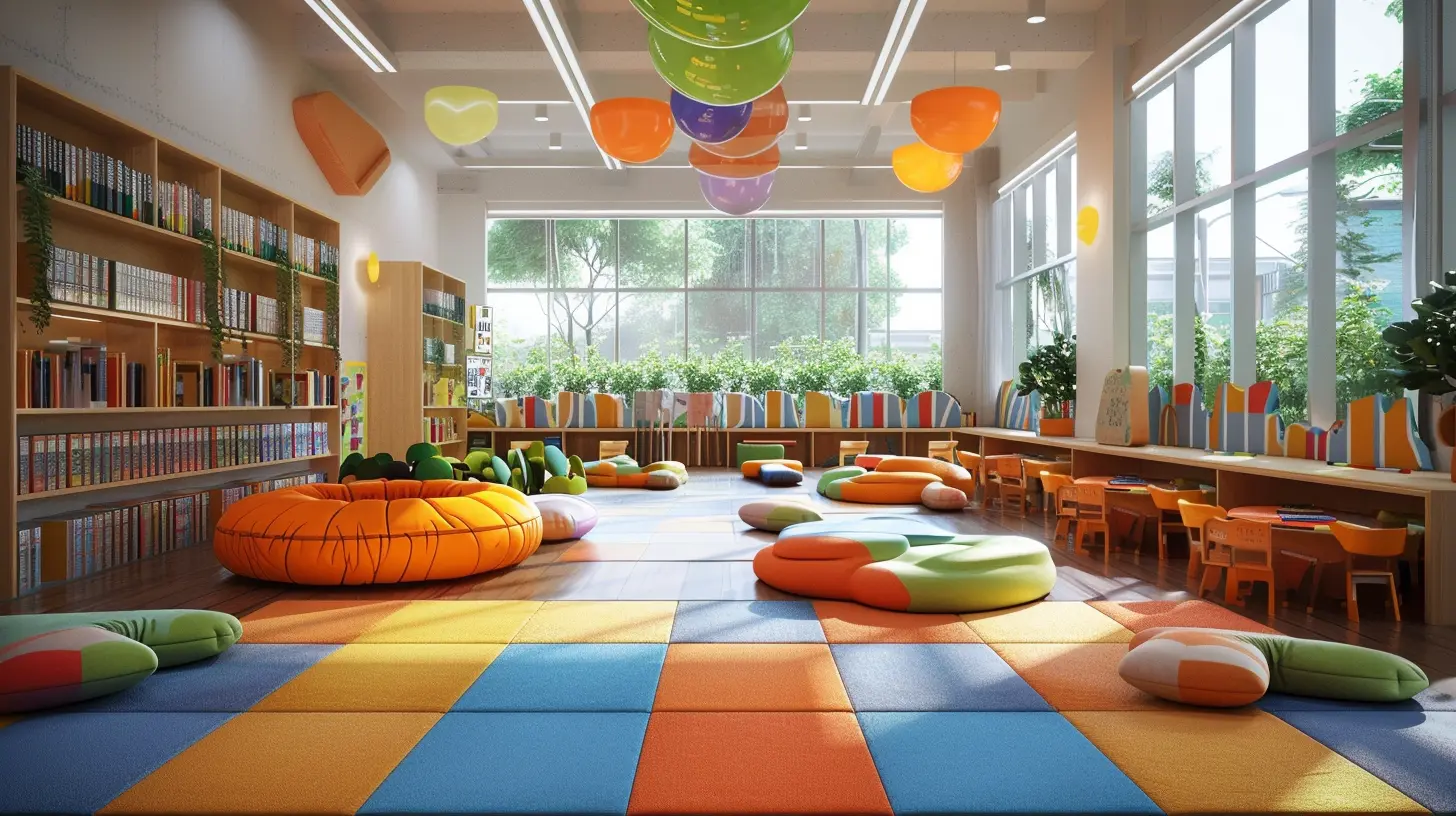
Who Are Kinesthetic Learners?
Before diving into classroom strategies, let’s clarify what kinesthetic learning actually means. Kinesthetic learners absorb information best through movement, touch, and hands-on activities. Instead of just reading or listening, they need to physically engage with concepts to fully grasp them.Key Traits of Kinesthetic Learners:
- Hands-On Preference – They love building, creating, and experimenting.- Active Engagement – Sitting still for too long is a challenge.
- Stronger Memory Through Action – They remember concepts better when associated with a physical movement.
- Good Coordination and Physical Skills – Often excel in sports, dance, or physical tasks.
- Tendency to Fidget – They may tap their feet, doodle, or play with small objects while thinking.
Now that we understand who they are, let's explore how to create an environment that empowers them.
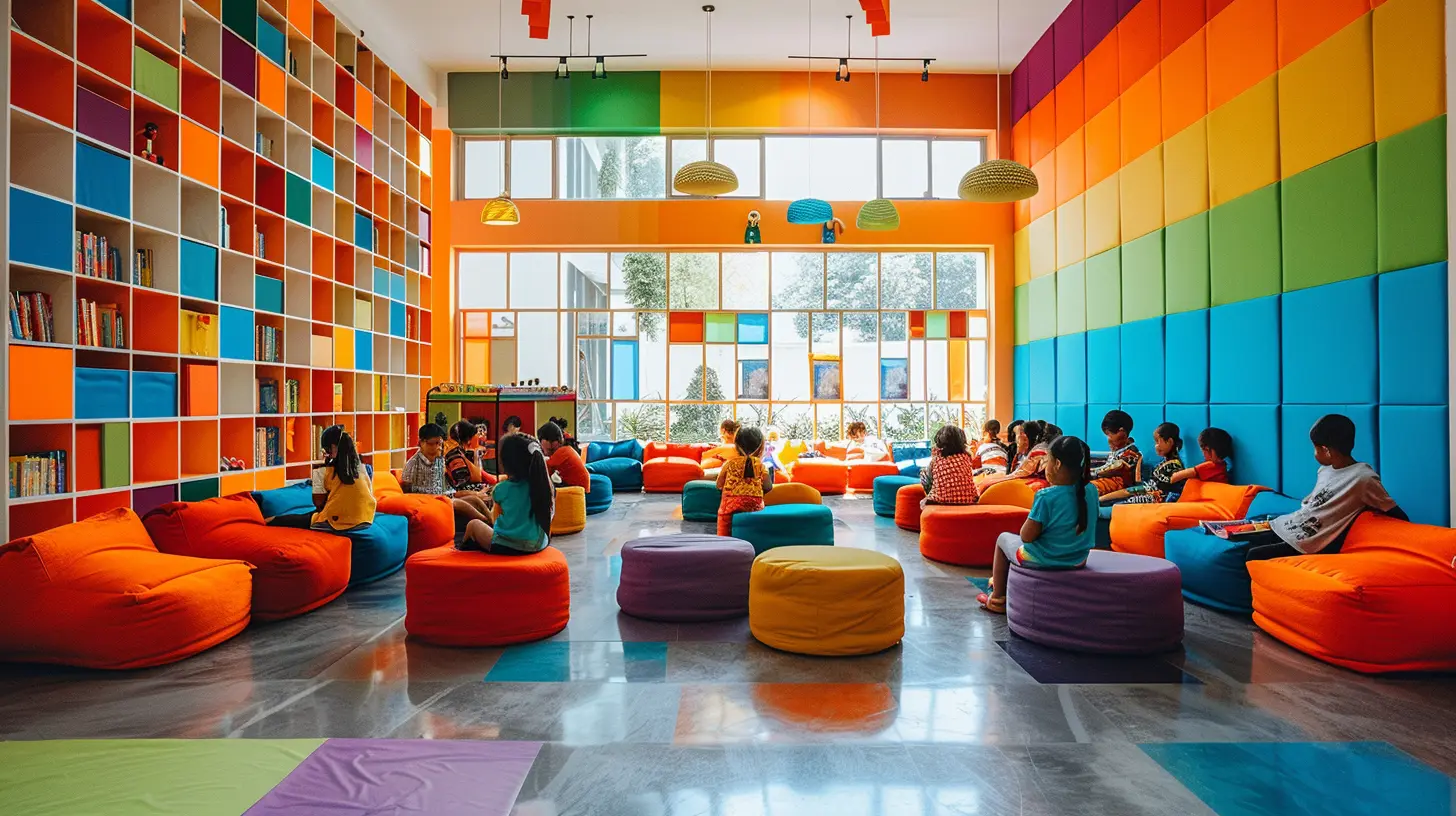
Why Traditional Classrooms Fail Kinesthetic Learners
The typical classroom setup—rows of desks, prolonged lectures, and written tests—caters mostly to auditory and visual learners. But for kinesthetic learners, this environment can be suffocating. They often struggle with traditional learning methods because their brains demand movement and interaction.Forcing them to sit still and take notes for hours is like asking a fish to climb a tree—it simply doesn't align with how they learn best. Instead of suppressing their natural tendencies, we need to build an environment where movement is not only accepted but encouraged.
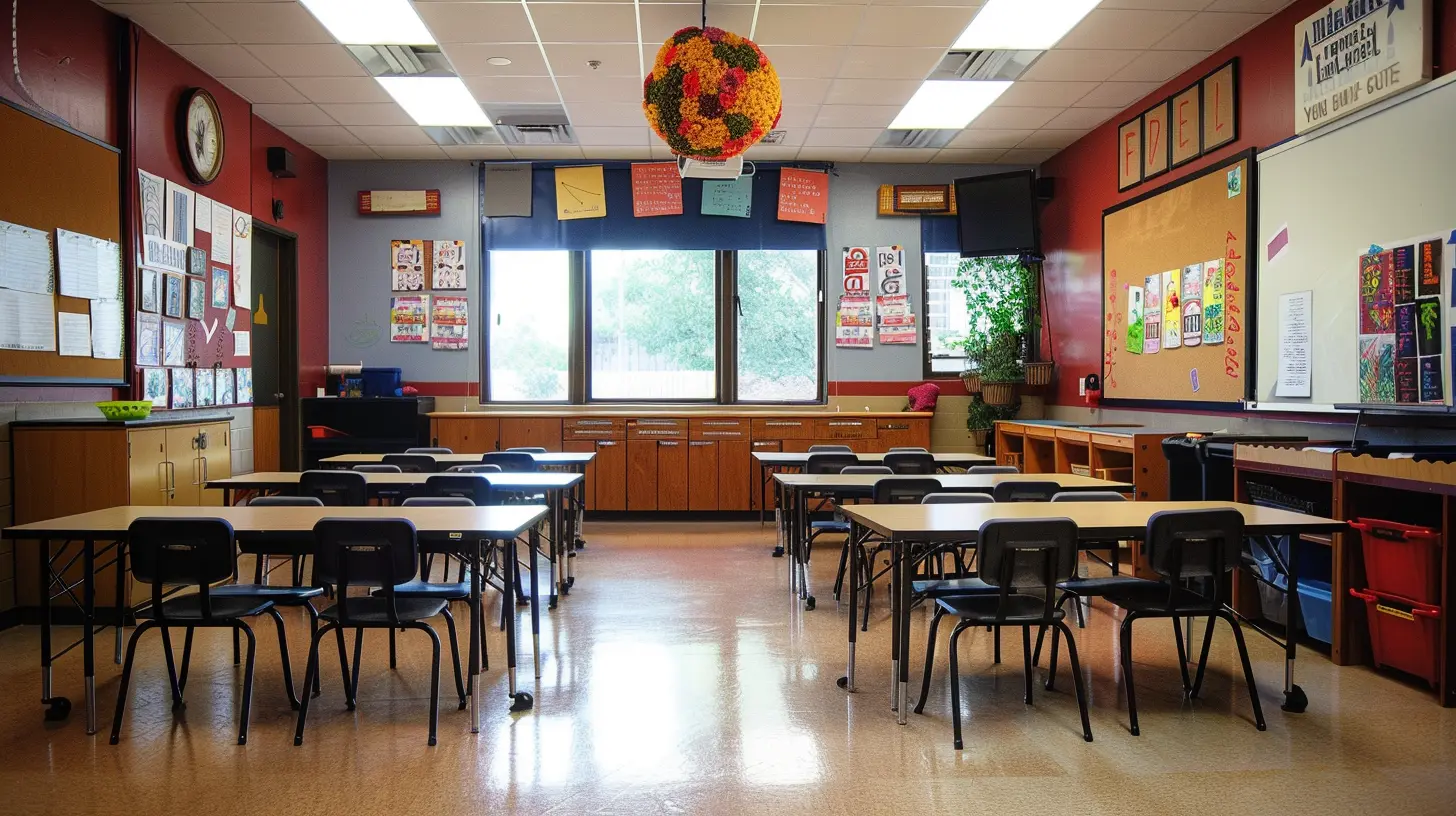
How to Create a Kinesthetic-Friendly Classroom
1. Flexible Seating Arrangements
Rigid seating kills movement. Instead of fixed desks, consider:- Standing desks – Let students alternate between sitting and standing.
- Movement-friendly seating – Exercise balls, wobble stools, or cushion seats can help manage energy.
- Open floor space – Allow room for activities like role-playing, group interactions, and hands-on experiments.
A flexible setup helps kinesthetic learners stay engaged without feeling trapped.
2. Incorporate Hands-On Learning Activities
Textbooks alone won’t cut it. Bring learning to life with:- Experiments and simulations – Science labs, building projects, and real-world problem-solving.
- Interactive models – Let students touch, manipulate, and assemble materials.
- Role-playing and dramatization – Act out historical events, scientific processes, or literature themes.
- Tactile learning tools – Use clay, Legos, or manipulatives for math and language concepts.
The more physically involved they are, the better they retain information.
3. Encourage Movement During Lessons
Who says learning has to be stationary? Incorporate activities that get students moving:- Walk-and-talk discussions – Instead of sitting, let students walk in pairs while discussing topics.
- Physical response activities – Use games where students move to different corners of the room based on their answers.
- Gestures and motions – Assign physical cues to concepts (e.g., using hand signals to remember geography terms).
Introducing movement into lessons doesn’t just benefit kinesthetic learners; it also boosts engagement for the whole class.
4. Use Technology & Interactive Tools
Tech can be a game-changer for kinesthetic learners:- Touchscreen devices – Tablets and interactive whiteboards make learning more hands-on.
- Virtual reality (VR) experiences – Let students explore historical sites, conduct virtual dissections, or solve interactive math problems.
- Gamified learning apps – Platforms like Kahoot or Quizlet Live make learning feel like play.
When learning feels interactive, kinesthetic students stay more engaged and retain more information.
5. Allow Fidgeting & Movement Breaks
Instead of punishing fidgeting, embrace it. Let students:- Use fidget toys like stress balls or rubber bands.
- Take stretch breaks between lessons.
- Stand or pace while thinking.
Short movement breaks can reset their focus and prevent restlessness.
6. Create Physical Learning Stations
Designate different areas of the classroom for specific tasks:- A reading nook with beanbags and soft lighting.
- A hands-on experiment zone for science and STEM activities.
- A collaborative space for group work and brainstorming sessions.
- A quiet corner for students who need a break.
This setup allows kinesthetic learners to move naturally between different styles of engagement.
7. Incorporate Outdoor Learning
Why limit learning to four walls? Take lessons outside:- Conduct science experiments in the garden.
- Use sidewalk chalk for math problems.
- Organize scavenger hunts to teach history or vocabulary.
Fresh air plus movement equals a win for kinesthetic learners.
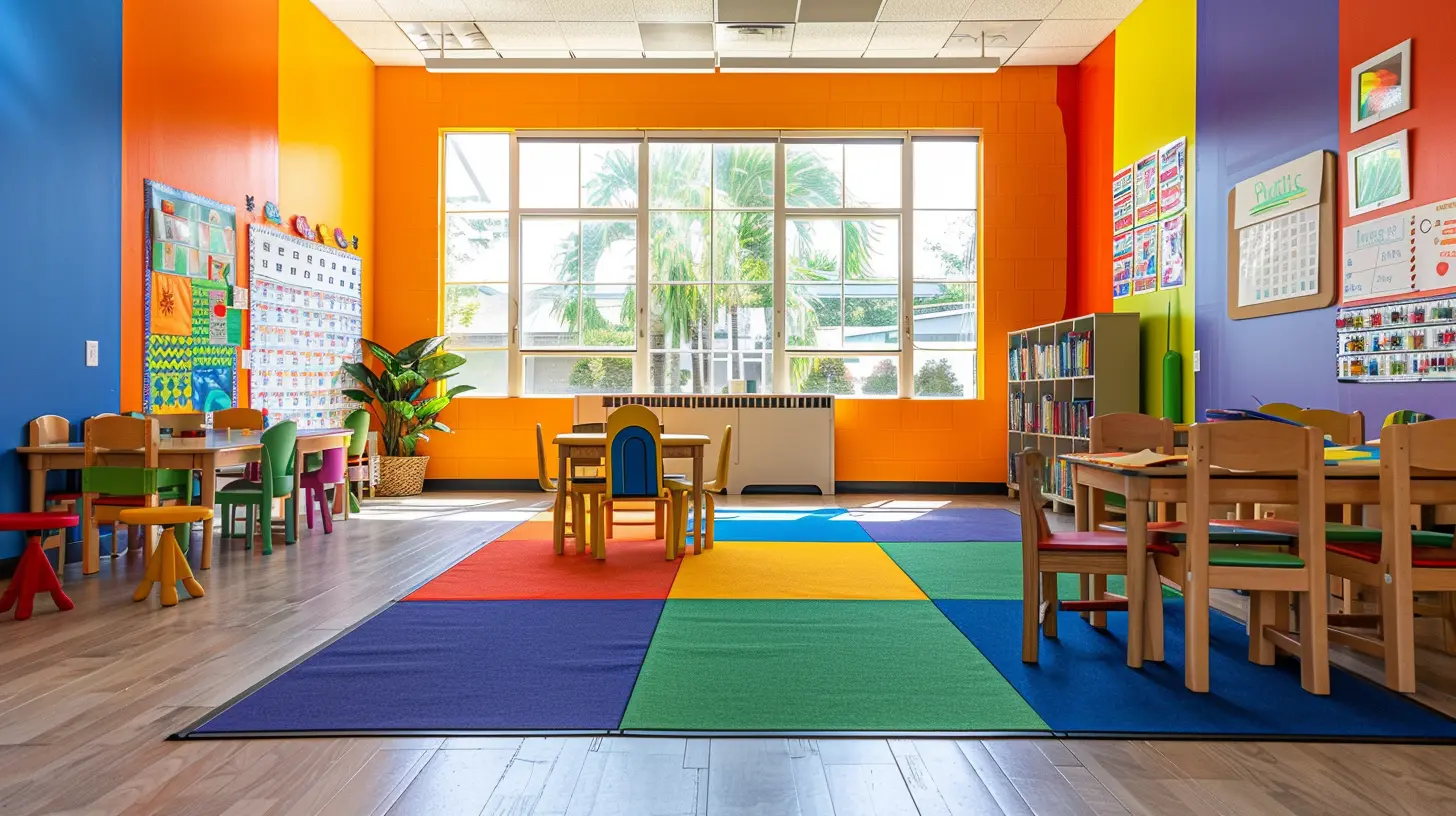
The Long-Term Impact of a Kinesthetic-Friendly Classroom
When classrooms cater to kinesthetic learners, the results are remarkable:- Higher engagement – No more zoning out or restlessness.
- Better retention – Movement strengthens memory and understanding.
- Increased confidence – Learning becomes enjoyable, building self-esteem.
- Improved classroom behavior – When given appropriate outlets for energy, students are less disruptive.
More importantly, these strategies don't just benefit kinesthetic learners—they create a dynamic, interactive, and engaging environment for all students.
Final Thoughts
Education shouldn’t feel like a one-size-fits-all experience. By designing classrooms that embrace movement, hands-on learning, and interactive teaching methods, we create a space where kinesthetic learners can thrive.Rather than forcing students to conform to rigid learning styles, let's adapt our teaching strategies to meet them where they are. Because when students feel seen, understood, and supported, they unlock their full potential.
all images in this post were generated using AI tools
Category:
Learning StylesAuthor:

Monica O`Neal
Discussion
rate this article
2 comments
Zeth Hill
Great insights on supporting diverse learning styles!
December 24, 2025 at 4:16 AM
Monica O`Neal
Thank you! I'm glad you found the insights valuable for supporting diverse learning styles.
Darby McGrath
Creating dynamic, hands-on learning spaces encourages kinesthetic learners' engagement and reinforces understanding through active participation in the classroom environment.
December 3, 2025 at 1:49 PM
Monica O`Neal
Absolutely! Dynamic, hands-on learning spaces are essential for kinesthetic learners, as they promote active participation and deepen understanding through experiential activities.