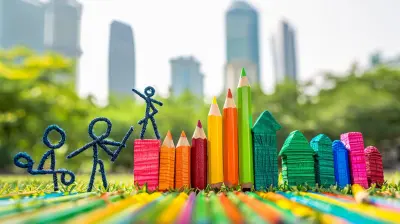
Bilingual Students: Building Bridges Between Cultures
13 June 2026
In today's interconnected world, the ability to speak more than one language is a superpower. It opens doors to new opportunities, new perspectives, and new ways of understanding the world. But bilingualism isn't just about acing language exams or impressing people with your linguistic skills. It's about building bridges—bridges that connect different cultures, communities, and individuals.
Ever thought about how languages shape the way we think, behave, and interact with others? For bilingual students, this is their everyday reality. These students don't just juggle two vocabularies; they're constantly navigating between different cultures, norms, and mindsets. And in doing so, they become ambassadors of diversity, helping to bring people closer together in an increasingly globalized society.
In this article, we'll explore how bilingual students serve as cultural bridges, the benefits of being bilingual, and how schools can support these students in their unique role. Whether you're a bilingual student yourself, a parent, or an educator, you're in for some eye-opening insights!
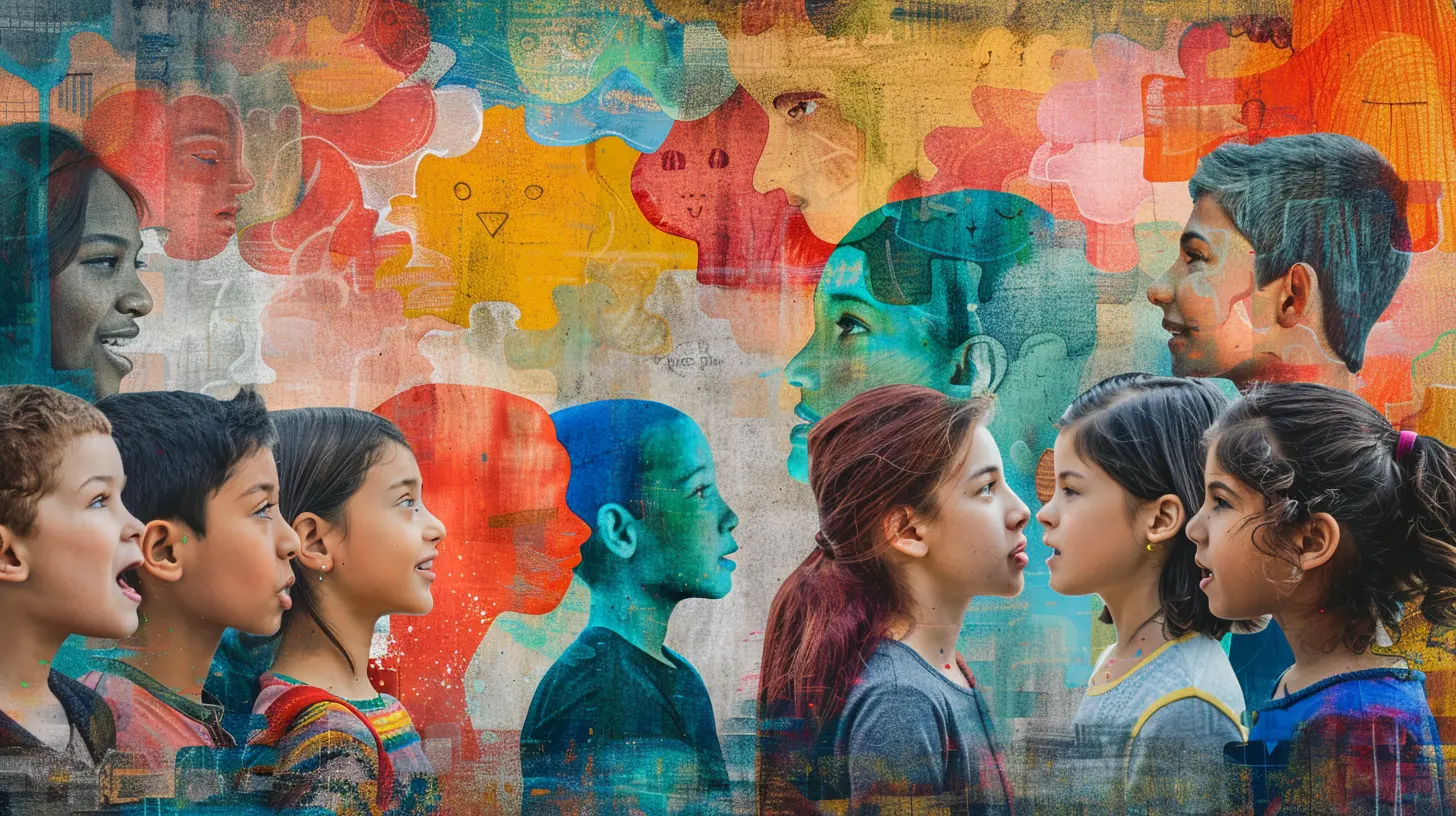
The Power of Bilingualism: More Than Just Words
When we think about bilingualism, we often focus on the language aspect—being able to speak, read, and write in two languages. But bilingualism is so much more than that. It's a tool that unlocks deeper cognitive, social, and cultural benefits. And for students, it's a game-changer.Cognitive Benefits: Sharper Minds
Did you know that bilingual students often have sharper cognitive abilities than their monolingual peers? According to numerous studies, bilingualism enhances skills like problem-solving, multitasking, and even creativity. Why? Because switching between two languages trains the brain to be more flexible and adaptable. It's like giving your brain a daily workout!Imagine you're a bilingual student switching between English and Spanish. You're not just translating words; you're shifting between two entire systems of grammar, syntax, and cultural references. This constant mental juggling improves your cognitive abilities, making you quicker at processing information and solving problems.
Cultural Awareness: A Passport to the World
Bilingual students are immersed in two cultures, which gives them a unique perspective on the world. They understand that people from different backgrounds have different ways of thinking, behaving, and communicating. This cultural awareness is priceless in today's globalized society, where cross-cultural communication is key.Think of it this way: if language is the window to a culture, bilingual students have two windows to look through. They can appreciate the nuances of both cultures and serve as mediators when misunderstandings arise. They become cultural bridges, helping people from different backgrounds connect and communicate more effectively.
Social Advantages: Building Empathy and Understanding
Being bilingual also helps students develop empathy and social understanding. Bilingual students are often more aware of the struggles that come with learning a new language or adjusting to a new culture. This makes them more sensitive to the experiences of others, fostering a greater sense of empathy and compassion.For example, a bilingual student may naturally step in to help a classmate who's struggling to learn English. They understand firsthand what it's like to be in that position, and their bilingualism allows them to offer support in a way that a monolingual student might not be able to.
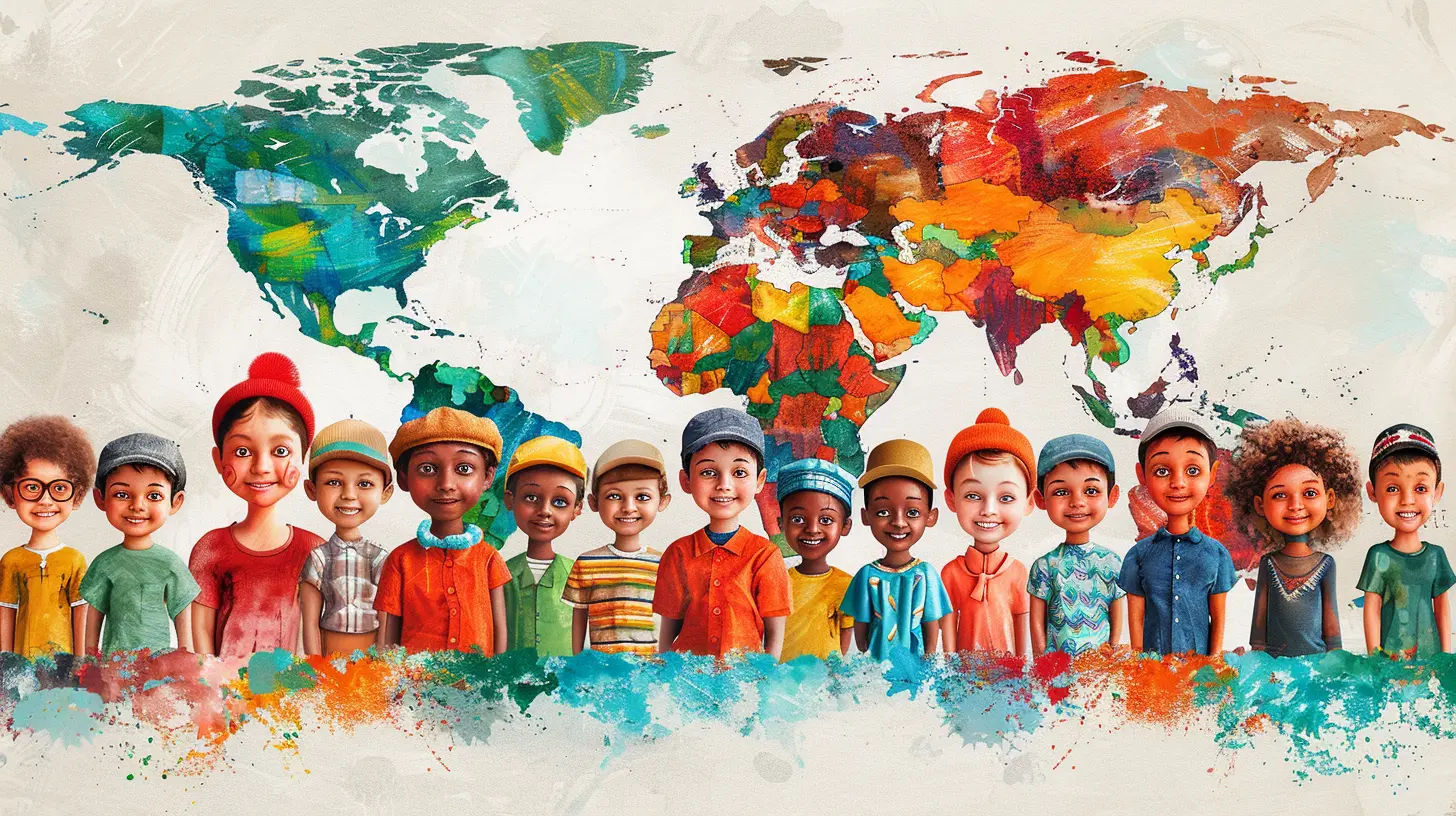
Bilingual Students as Cultural Ambassadors
So, how exactly do bilingual students build bridges between cultures? It goes beyond speaking two languages fluently. Bilingual students often find themselves in the role of cultural ambassadors, helping to promote understanding and collaboration between people from different backgrounds.Translators and Mediators
One of the most obvious ways bilingual students serve as cultural bridges is by acting as translators or interpreters. Whether it's helping their parents communicate with teachers or assisting a newcomer in understanding school procedures, bilingual students often step into the role of mediator. They help break down language barriers, ensuring that everyone is on the same page.But it's not just about translating words—it's about translating meaning. Cultures have different ways of expressing ideas, emotions, and values. A bilingual student understands these subtleties and can help others navigate them. For example, certain phrases or gestures that are polite in one culture may be considered rude in another. Bilingual students can help smooth over these cultural differences, ensuring that communication is not just accurate but also respectful and meaningful.
Promoting Inclusivity
Bilingual students also play a critical role in promoting inclusivity within schools and communities. They often serve as role models for other students, showing that it's possible to embrace multiple cultures without losing one's identity. By celebrating their own cultural heritage alongside their peers', bilingual students encourage others to do the same.This is particularly important in diverse classrooms, where students from different cultural backgrounds may feel isolated or marginalized. Bilingual students, with their ability to navigate multiple cultural worlds, can help foster an environment where everyone feels valued and included.
Encouraging Global Citizenship
In a world that's becoming increasingly interconnected, being a global citizen is more important than ever. Bilingual students are naturally positioned to take on this role because they already have a foot in two cultures. They're used to thinking globally and acting locally, whether it's through their language skills, cultural knowledge, or personal experiences.By embracing their bilingualism, these students can inspire others to think beyond borders. They show that it's possible to be rooted in one culture while still being open to and respectful of others. In this way, bilingual students help build a more inclusive, understanding, and connected world.
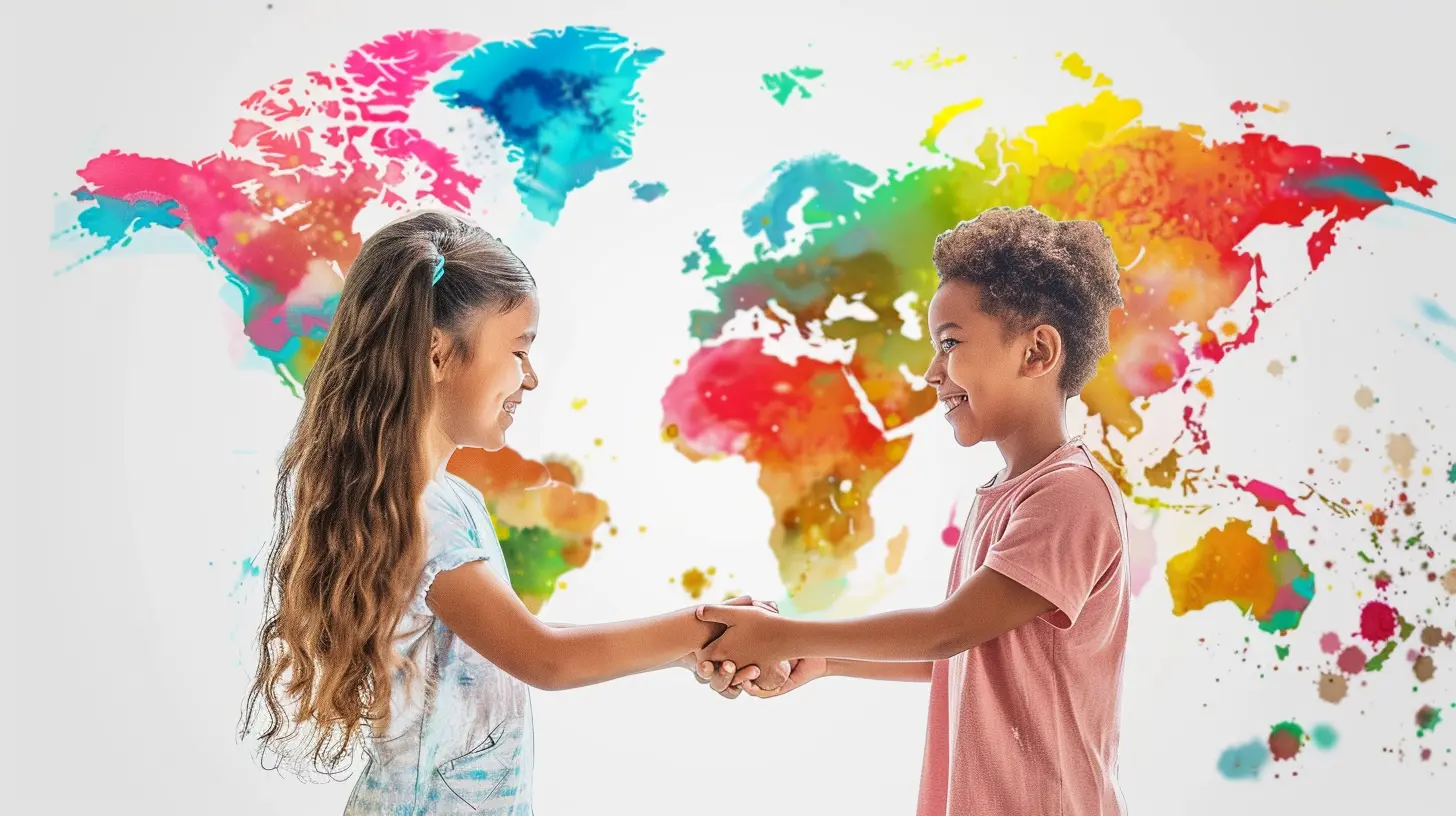
Challenges Faced by Bilingual Students
While being bilingual comes with a host of advantages, it's not without its challenges. Bilingual students often have to navigate complex social, academic, and emotional landscapes that their monolingual peers may not fully understand.Academic Pressures
One of the primary challenges faced by bilingual students is the academic pressure of mastering two languages. In many cases, students are expected to perform at a high level in both their native language and the language of instruction (often English). This can be particularly challenging in subjects like reading and writing, where language proficiency is key to academic success.Additionally, bilingual students may face the misconception that they should be equally proficient in both languages at all times. In reality, it's common for bilingual individuals to be stronger in one language than the other, depending on the context. For example, a student may be more comfortable speaking one language at home and another at school.
Social Identity and Belonging
Another challenge for bilingual students is navigating their social identity. They may sometimes feel caught between two worlds, unsure of where they truly belong. On one hand, they want to maintain their cultural heritage and stay connected to their native language. On the other hand, they may feel pressure to assimilate into the dominant culture and language of their peers.This can create a sense of "in-betweenness" where bilingual students feel like they don't fully belong to either culture. It's a delicate balancing act, and it can lead to feelings of isolation or confusion, especially during adolescence when identity formation is a central concern.
Emotional and Social Struggles
Bilingual students also face emotional challenges, especially if they are newcomers to a country. The process of learning a new language and adjusting to a new culture can be overwhelming, and students may experience feelings of frustration, anxiety, or homesickness.Additionally, some students may deal with discrimination or stereotyping based on their language or cultural background. This can further compound the emotional stress they experience, making it harder for them to fully engage in school and social activities.

How Schools Can Support Bilingual Students
Given the unique challenges and opportunities that come with being bilingual, it's important for schools to provide the necessary support to ensure these students thrive. Here are some ways educators and schools can help:1. Valuing Bilingualism as an Asset
The first step is to shift the narrative around bilingualism. Instead of viewing it as a challenge or a barrier, schools should recognize bilingualism as the valuable asset that it is. This means celebrating the linguistic and cultural diversity that bilingual students bring to the table.Schools can promote this mindset by incorporating multicultural events, language appreciation days, and bilingual education programs that highlight the benefits of speaking multiple languages.
2. Providing Tailored Academic Support
Bilingual students may need additional academic support, especially in subjects that heavily rely on language skills. Schools can provide resources like language tutors, bilingual teaching assistants, and ESL (English as a Second Language) programs to help students succeed academically.Additionally, teachers can offer differentiated instruction, tailoring their teaching methods to meet the needs of bilingual students. For example, they can use visual aids, simplified language, or bilingual materials to make lessons more accessible.
3. Fostering a Culturally Inclusive Environment
Creating a culturally inclusive environment is key to helping bilingual students feel welcome and supported. This can be achieved by incorporating diverse cultural perspectives into the curriculum, celebrating cultural holidays, and encouraging students to share their cultural experiences with their peers.Teachers can also make an effort to learn about the cultural backgrounds of their bilingual students, demonstrating respect and interest in their languages and traditions.
4. Encouraging Peer Support Networks
Peer support networks can be incredibly helpful for bilingual students. Schools can encourage students to form bilingual study groups or buddy systems where they can help each other with language learning and cultural adjustment.Additionally, schools can promote mentorship programs where older bilingual students mentor younger students who are just beginning their bilingual journey. This not only provides academic support but also fosters a sense of community and belonging.
Conclusion
Bilingual students are more than just language learners—they're cultural ambassadors, bridge-builders, and global citizens. Their ability to navigate multiple languages and cultures gives them a unique perspective on the world, and they play a vital role in promoting understanding and collaboration between people from different backgrounds.While bilingualism comes with its challenges, the benefits far outweigh them. With the right support from schools, families, and communities, bilingual students can thrive academically, socially, and emotionally. And as they do, they will continue to build bridges between cultures, helping to create a more inclusive, empathetic, and connected world.
all images in this post were generated using AI tools
Category:
Bilingual EducationAuthor:

Monica O`Neal
Discussion
rate this article
1 comments
Lys Kim
Bilingualism enriches perspectives, fostering empathy and understanding across diverse cultures.
June 20, 2026 at 2:24 AM
Monica O`Neal
I completely agree. Bilingualism truly opens doors to new ways of thinking and connects us on deeper levels.