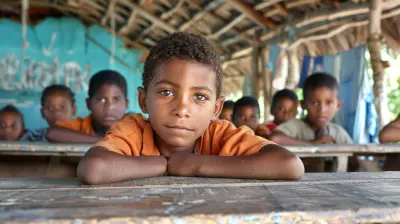
Bilingual Education: Breaking Down Language Barriers
18 July 2026
Introduction
Imagine walking into a classroom where students seamlessly switch between two languages, understanding different cultures, and connecting with people from around the world. That’s the magic of bilingual education! In today’s increasingly globalized world, speaking more than one language isn’t just a skill—it’s a necessity.
But what exactly is bilingual education, and why does it matter? Is it just about learning a second language, or does it go much deeper? In this article, we’ll dive into the importance of bilingual education, how it impacts students, and why it’s one of the best ways to break down language barriers. 
What Is Bilingual Education?
Bilingual education is a teaching approach where students are taught academic subjects in two languages—often their native language and a second language. The goal is to help students become proficient in both, allowing them to communicate, think, and learn effectively in multiple languages.This method is commonly used in schools across the world, especially in regions where communities are linguistically diverse. Instead of forcing students to abandon their first language, bilingual education embraces it while introducing a second language naturally into their learning process. 
Why Bilingual Education Matters
1. Cognitive Benefits: Sharpening the Mind
Did you know that bilingual students often have sharper brains? Studies show that learning and using two languages regularly can improve cognitive flexibility, problem-solving skills, and memory. When the brain constantly switches between languages, it strengthens its ability to focus and multitask—kind of like a mental workout!2. Cultural Awareness: Bridging Differences
Language and culture go hand in hand. When students learn a second language, they’re not just memorizing words—they’re stepping into a new world of traditions, customs, and perspectives. This exposure fosters empathy, understanding, and appreciation for other cultures, helping to break down stereotypes and promote inclusivity.3. Career Advantages: Opening More Doors
In today’s competitive job market, being bilingual is a game-changer. Employers love candidates who can speak multiple languages because it means they can communicate with a broader audience. Whether it’s business, healthcare, education, or diplomacy, bilingual individuals have a clear edge over monolingual applicants.4. Social Benefits: Expanding Connections
Speaking more than one language allows students to connect with people from diverse backgrounds. Whether making new friends, traveling to foreign countries, or simply communicating with extended family members, bilingual individuals can engage in conversations that monolingual individuals might struggle with.5. Academic Success: Enhancing Learning
Contrary to the myth that learning two languages confuses children, research suggests that bilingual students often perform better academically. They develop stronger reading skills, analytical thinking, and creativity—all of which contribute to overall academic success.
Types of Bilingual Education Programs
Not all bilingual education programs are the same. Different regions and schools adopt different approaches based on their goals, student demographics, and available resources. Here are some common types:1. Dual-Language Immersion Programs
In these programs, students are taught in two languages from an early age. The aim is to make them fully bilingual by balancing both languages throughout their education. Some schools split the day between two languages, while others alternate languages on different days or subjects.2. Transitional Bilingual Education
This approach is designed for students who are not yet fluent in the country’s primary language. They start learning in their native language while gradually transitioning to the second language. Over time, the goal is to help them fully integrate into mainstream classes.3. Heritage Language Programs
These programs focus on preserving the native language of students from immigrant or minority backgrounds. Instead of losing their mother tongue, students get formal education in their first language while also learning the dominant language of the country.4. English as a Second Language (ESL) Programs
ESL programs are common in English-speaking countries where non-English-speaking students receive specific lessons to improve their English skills. Unlike traditional bilingual programs, these do not provide instruction in the student’s native language.
Challenges of Bilingual Education
While bilingual education offers numerous benefits, it does come with its challenges. Understanding these obstacles can help educators and parents find solutions.1. Lack of Qualified Teachers
One of the biggest hurdles is the shortage of teachers who are fluent in both languages and trained to teach in a bilingual setting. Without well-trained educators, it’s difficult to ensure high-quality instruction in both languages.2. Resistance to Change
Not everyone sees the value of bilingual education. Some parents and educators fear that learning two languages simultaneously might slow down a child’s academic progress. However, research consistently debunks this myth, showing that children can become fluent in both languages without any negative impact.3. Insufficient Resources
Many schools struggle with providing enough dual-language textbooks, teaching materials, and appropriate curriculum support. Without the right tools, it becomes challenging to maintain an effective bilingual education program.4. Balancing Both Languages
Students may naturally prefer one language over the other, making it difficult to maintain equal proficiency in both. Teachers and parents need to encourage regular practice in both languages for balanced development.How to Support Bilingual Education
Despite these challenges, there’s a lot that parents, teachers, and communities can do to support bilingual education.1. Encourage Language Use at Home
Parents play a crucial role in reinforcing bilingual education. Speaking both languages at home, reading bilingual books, or even watching TV shows in different languages can help children develop fluency naturally.2. Advocate for Bilingual Programs in Schools
If your child’s school doesn’t offer bilingual education, consider talking to administrators about implementing a program. The more demand there is, the more likely schools are to invest in bilingual learning opportunities.3. Provide Access to Bilingual Learning Resources
Books, websites, and apps designed for bilingual learners can make a huge difference. Many free and paid resources are available to help students practice their second language outside of the classroom.4. Foster a Positive Attitude Towards Language Learning
Encouraging children to see bilingualism as a strength rather than a burden can boost their motivation. Praising their progress and making language learning fun can go a long way in building confidence.The Future of Bilingual Education
With globalization on the rise, the demand for bilingual education will only continue to grow. More than ever, being proficient in multiple languages is a valuable skill that can open countless doors. As more schools and communities recognize its benefits, bilingual programs will likely become more widespread and accessible.However, progress depends on continued advocacy, increased funding, and a commitment to overcoming existing challenges. If more parents, educators, and policymakers push for bilingual education, future generations will benefit from a world where language is a bridge, not a barrier.
Final Thoughts
Bilingual education is more than just learning another language—it’s a gateway to new cultures, opportunities, and perspectives. It strengthens young minds, equips students for a competitive job market, and fosters stronger social connections. Yes, there are challenges, but the rewards far outweigh them.So, whether you’re a parent, a student, or an educator, consider the power of bilingual education. It’s not just about words; it’s about breaking down barriers and creating a more connected, inclusive world.
all images in this post were generated using AI tools
Category:
Bilingual EducationAuthor:

Monica O`Neal
Discussion
rate this article
1 comments
Peyton McClendon
Bilingual education fosters inclusivity and cultural understanding, but it requires careful implementation to ensure both languages are valued equally.
July 30, 2026 at 11:32 AM
Monica O`Neal
I completely agree. Balancing both languages is key to maximizing the benefits of bilingual education.