Bilingual Education and Its Impact on Emotional Intelligence
29 August 2026
Ever watched a child switch between two languages like it's the most natural thing in the world? Kind of like flipping a light switch—click! English. Click! Spanish. It’s fascinating, right? But what's even more incredible is the hidden treasure trove of benefits that come along with bilingualism—especially in the realm of emotional intelligence.
Now, we often hear about how being bilingual can boost job opportunities, communication skills, and cognitive abilities. That’s great, no doubt. But what doesn’t get enough spotlight is how bilingual education can deeply shape and strengthen emotional intelligence—how we understand, manage, and express emotions, and how we relate to others.
So grab your coffee (or tea, no pressure), and let’s dive into how bilingual education is doing so much more than creating language-savvy students—it might just be crafting the emotionally intelligent leaders of tomorrow.
What Is Bilingual Education?
Before we jump into the emotional jazz, let’s quickly clear the fog around what bilingual education actually means.In simple terms? It’s when students are taught academic content in two languages. These programs vary—some aim to make students fluent in both, while others focus more on maintaining a student’s native language while introducing a second one.
But here’s what ties them all together: bilingual education goes beyond memorizing vocabulary or conjugating verbs. It’s about using language as a bridge to culture, identity, and, as we’ll see, emotional development.
Emotional Intelligence: More Than Just Feelings
Okay, so let’s talk emotional intelligence—because this isn’t just about being a “nice” person.Emotional intelligence (EQ for short) is basically your ability to:
- Recognize your own emotions
- Understand what others are feeling
- Manage emotions in relationships
- Make good decisions even when emotions are high
- Navigate social complexities
High EQ is like the secret sauce for success in both personal and professional life. But what does that have to do with learning another language?
A lot. A whole lot.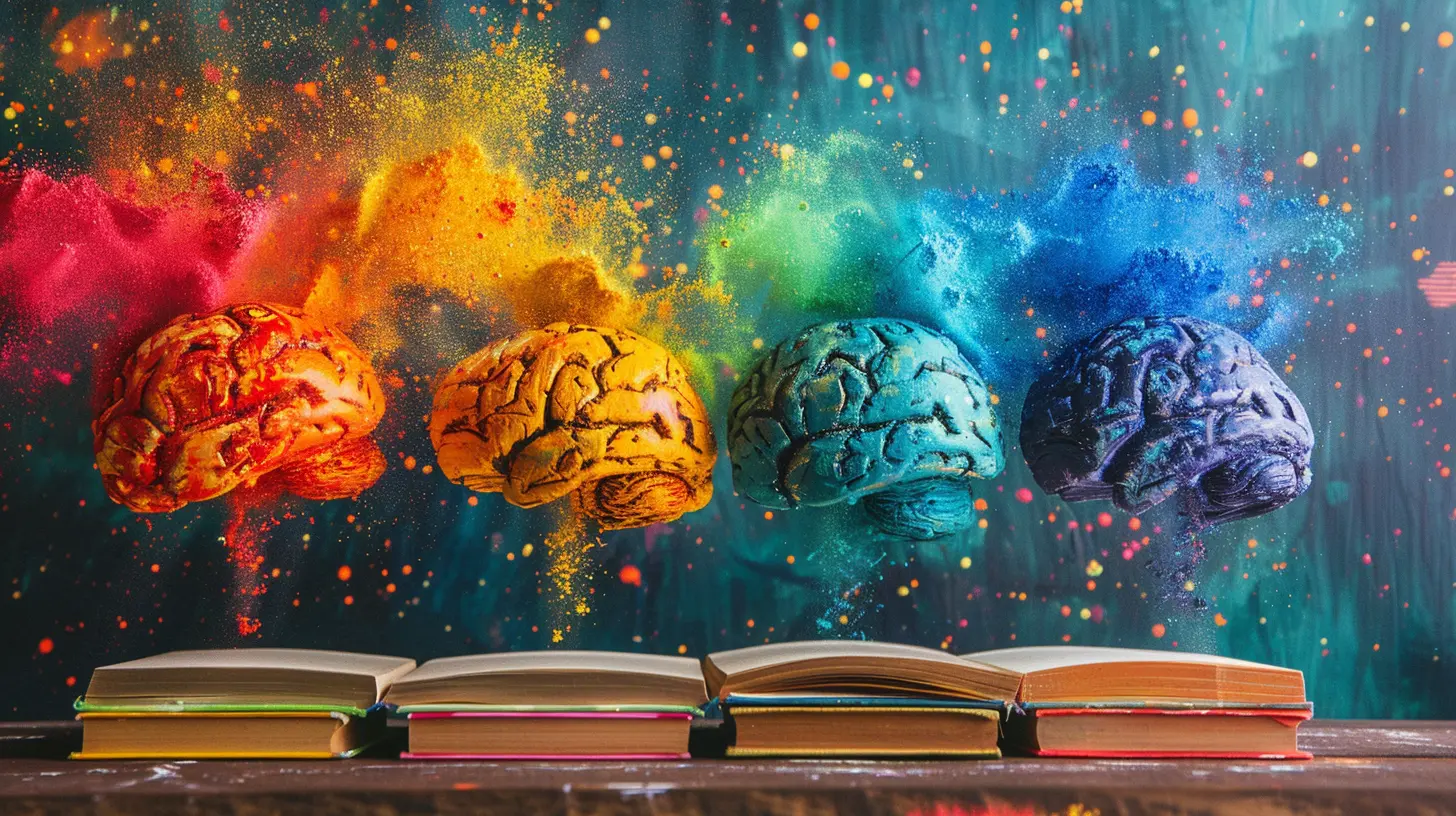
The Power of Perspective: Why Language Shapes Emotion
Think about it—every language comes with its own worldview. Words aren’t just labels; they carry cultural weight.For instance, did you know that in Japanese, there’s a word “amae” that captures the feeling of wanting to lean on someone emotionally? There’s no perfect English equivalent. Or how about “saudade” in Portuguese—a deep emotional state of longing or nostalgia?
When children learn a new language, they’re not just picking up grammar—they’re stepping into another way of thinking, feeling, and expressing emotions.
This broader emotional vocabulary helps them:
- Recognize complex emotions more easily
- Understand cultural differences in emotional expression
- Empathize with people from different backgrounds
Basically, bilingual kids often get an emotional “map” that’s more detailed. More routes, more destinations.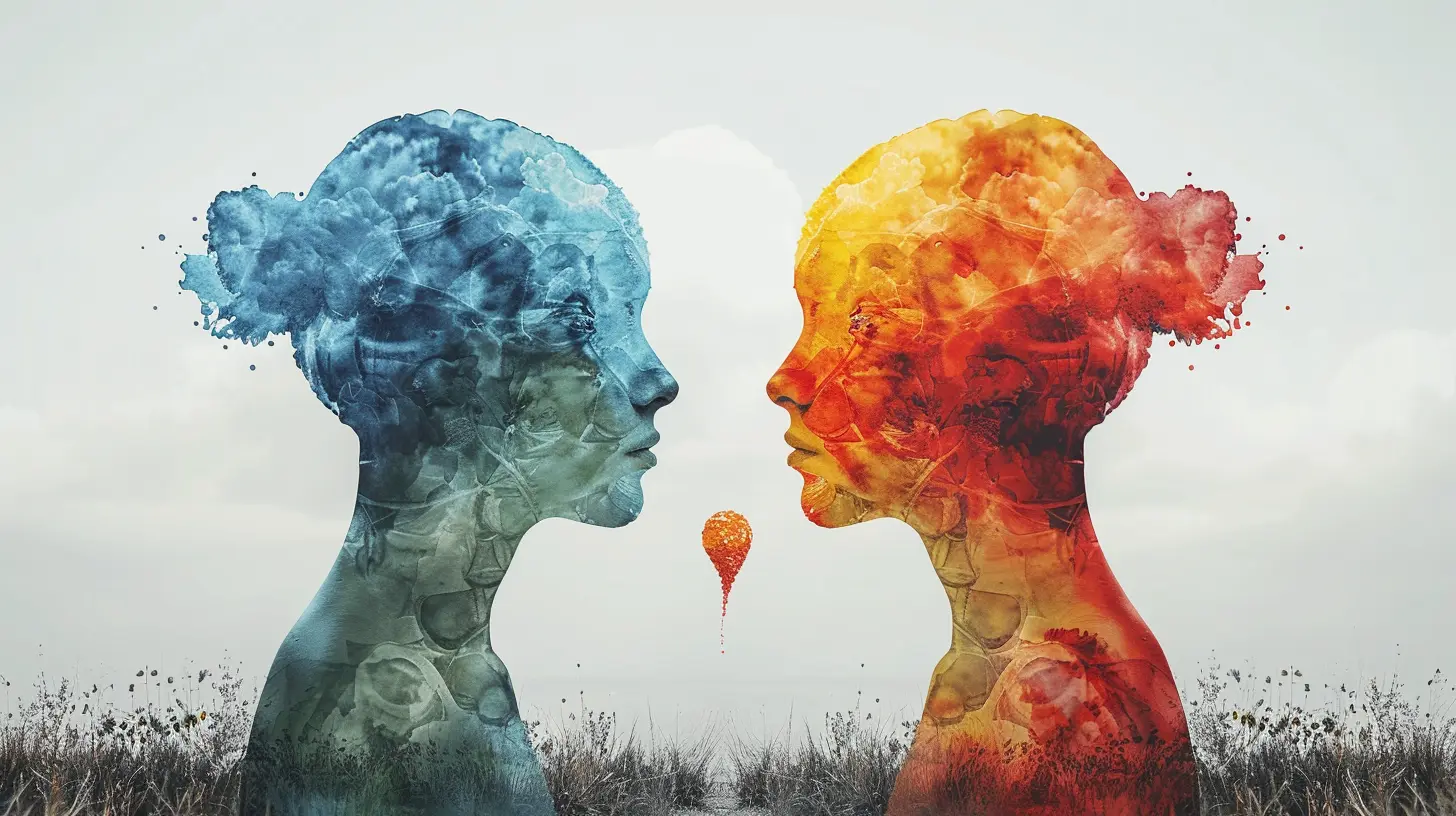
Empathy on Steroids: How Bilingualism Boosts Social Connection
Let’s be real—empathy is in short supply these days.But here’s a cool thing: when kids are bilingual, they’re constantly switching between different linguistic and cultural codes. This helps them see situations from multiple perspectives—which is the backbone of empathy.
Studies have found that bilingual individuals often outperform monolinguals in tasks that require understanding others' viewpoints, emotions, and intentions. Why? Because their brains have been flexing those empathy and adaptability muscles from day one.
It’s like mental CrossFit. They’re not just learning languages—they’re emotionally fit.
Emotional Regulation: Keeping Those Feelings in Check
Ever had to switch languages mid-conversation? It’s kind of like changing gears while driving uphill—requires control, focus, and flexibility.Now imagine doing that as a 7-year-old in a classroom.
This constant cognitive juggling actually strengthens the brain’s executive function—aka, the part of the brain that controls self-regulation. And guess what’s deeply tied to emotional intelligence? Yup, emotional regulation.
Bilingual kids often show:
- Better impulse control
- Higher frustration tolerance
- Quicker recovery from setbacks
In simpler terms? They're better at keeping their cool when the going gets tough.
Language and Identity: The Emotional Bond
Language isn't just something we use; it's a huge part of who we are.For kids growing up in bilingual environments—especially those learning their heritage language—language becomes a bridge to their identity, family roots, and cultural pride. This emotional anchor contributes to self-awareness and confidence, big-time components of EQ.
Imagine being able to speak to grandma in her native tongue and then switch back to your school language with friends. That’s not just cool—it’s empowering.
Kids begin to see themselves as multifaceted, connected individuals. And that sense of belonging? It does wonders for emotional security.
The Role of Schools: More Than Just Language Lessons
Now, let’s give credit where it’s due. Schools have a big role in shaping emotional intelligence through bilingual education.Here’s how:
- Safe Learning Spaces: Bilingual programs often emphasize inclusivity and respect for different cultures, which can make students feel more seen and valued.
- Cultural Events and Celebrations: These aren’t just fun—they’re emotional bonding experiences that deepen cultural understanding and empathy.
- Collaborative Learning: Group projects in bilingual settings often require deeper communication and cooperation, building interpersonal skills.
Bilingual programs, when done right, are like emotional intelligence boot camps—with a side of language learning.
Common Myths Debunked
Let’s hit pause and clear up some myths:“Bilingualism Confuses Kids”
Nope. Kids are remarkable language sponges. What may seem like “confusion” is often just code-switching—an advanced skill, not a problem.“It Slows Down Emotional Development”
Bluntly? False. If anything, it enriches it. The exposure to multiple emotional frameworks improves emotional processing, not the other way around.“Only Smart Kids Can Handle Bilingual Programs”
All kids are capable of learning multiple languages with the right support and environment. Intelligence isn't a gatekeeper here.So let’s bust those myths wide open—they don’t hold up to the science or the stories.
Real-World Success Stories
Don't just take my word for it—let’s peek into the real world.Maria’s Story
Maria, a bilingual student in a dual-language immersion program, says switching between Spanish and English helped her become a class mediator. “I could understand how people from different cultures express frustration or sadness,” she shares. “That helped me help others.”Jayden’s Experience
Jayden, who grew up speaking Mandarin at home and English at school, found that knowing two languages helped him connect better with his peers and teachers. “If someone was upset,” he said, “I could tell faster. I guess I learned to read between the lines more.”These are just two examples among thousands. The emotional dividends of bilingual education are real—and lasting.
How Parents Can Support Emotional Growth Through Bilingualism
Parents, this one’s for you. You’re not just chauffeurs and lunch-packers—you’re emotional guides.Here’s how you can help your bilingual child grow emotionally strong:
- Encourage Emotional Expression: In both languages! Let kids learn how to say “I’m upset” or “I’m excited” in both tongues.
- Model Emotional Vocabulary: Use a wide range of feeling words at home.
- Celebrate Both Cultures: Create rituals that honor each culture your child is connected to.
- Provide Opportunities to Connect: Chat with grandparents, join cultural clubs, attend community festivals.
Remember, you're not just raising a multilingual child—you’re sculpting a multilingual soul.
Why Society Needs Emotionally Intelligent Bilingual Individuals
Let’s zoom out for a second.In today’s global world, being bilingual is a superpower. But emotional intelligence? That’s the cape.
Bilingual individuals often become the mediators, the bridge-builders, the compassionate leaders we desperately need. Whether it’s navigating international business, bridging cultural divides, or simply being an understanding human being, the combo of emotional intelligence and bilingualism is unbeatable.
And the earlier we start nurturing this combo in our kids? The better shot we give them—and all of us—at a brighter, kinder future.
Final Thoughts
So here’s the big takeaway: bilingual education isn’t just about creating better speakers—it’s about cultivating better people.Kids in bilingual programs are not just learning to talk in more than one language. They’re learning to feel, understand, and connect in deeper, richer, more meaningful ways.
In a world where emotional intelligence is gold, bilingual education might just be the mint.
Ready to raise emotionally intelligent, culturally aware, and linguistically gifted kids? Start with language, open the door to empathy, and watch their emotional world bloom.
all images in this post were generated using AI tools
Category:
Bilingual EducationAuthor:

Monica O`Neal
Discussion
rate this article
2 comments
Aubrey Lee
Bilingual education enriches emotional intelligence by fostering empathy, cultural awareness, and better communication skills in diverse environments.
September 12, 2026 at 4:03 AM
Monica O`Neal
I completely agree. Bilingual education not only enhances communication but also deepens our understanding of different perspectives, which is vital for developing emotional intelligence.
Trinity Fields
What a great read! Bilingual education not only enriches minds but also boosts emotional intelligence. Keep up the fantastic work in sharing this knowledge!
September 2, 2026 at 4:44 AM
Monica O`Neal
Thank you so much! I'm glad you found it valuable. Bilingual education truly makes a difference in so many ways.