Bilingual Education: A Pathway to Multicultural Understanding
5 August 2026
Imagine walking into a room full of people from different parts of the world, each with their own unique language and culture. Now, imagine being able to communicate with all of them, not just through words, but by understanding the nuances of their traditions, histories, and values. That’s the magic of bilingual education — it doesn’t just teach new words; it opens doors to new worlds. In today’s globalized society, bilingual education has become more than just a tool for learning multiple languages; it’s a gateway to multicultural understanding.
But what exactly is bilingual education, and why is it so important? Let’s dive into this fascinating topic and explore why bilingual education is more than just a trend — it’s a necessity in our increasingly interconnected world.
What is Bilingual Education?
At its core, bilingual education refers to the teaching of academic content in two languages. One of those languages is typically the student’s native language, and the other is a second language that they are learning. This method allows students to gradually acquire proficiency in both languages while still learning essential academic subjects like math, science, and history.However, bilingual education is not a one-size-fits-all approach. There are different models that schools might use, including:
- Transitional Bilingual Education: This approach provides content instruction in the student’s native language while gradually introducing the second language. The goal is to transition the student to full instruction in the second language over time.
- Dual-Language Immersion: This model teaches students in two languages equally, with the goal of students becoming fully bilingual and biliterate. Both native speakers of the target language and native speakers of the second language learn together in the same classroom.
- Two-Way Immersion: This is a specific type of dual-language program where half the students are native speakers of one language, and half are native speakers of another. Both groups learn each other's language alongside their own, fostering a true exchange of cultures.
But bilingual education isn't just about acquiring a new language. It’s about understanding, appreciating, and embracing the diverse cultures that come with those languages. Let’s explore how bilingual education promotes multicultural understanding.
Building Bridges Between Cultures
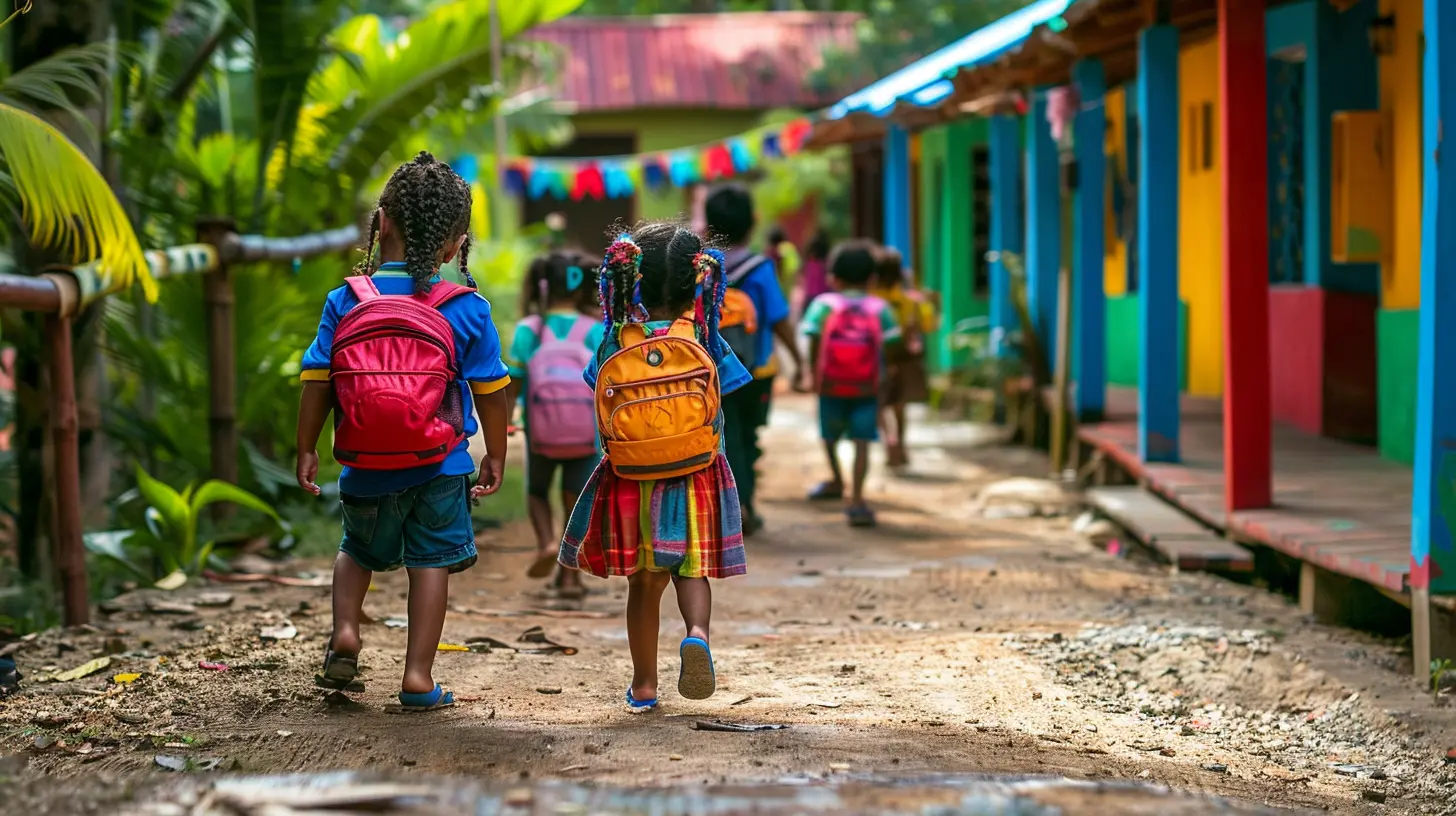
Think of bilingual education as a bridge — a way to connect people from different backgrounds. Learning a new language is like adding another tool to your cultural toolkit, allowing you to see the world from multiple perspectives. This is particularly important in today’s multicultural societies, where interactions between people of different cultural backgrounds are more common than ever before.When students learn a second language, they are not just memorizing vocabulary and grammar rules. They are also learning about the history, customs, and values of the people who speak that language. This exposure to different cultures fosters empathy and open-mindedness. It helps students understand that there are many ways to view the world, and that no single perspective is “better” than another.
For example, a student learning Spanish in a bilingual program might also learn about Latin American history, art, and music. They’ll discover how colonialism shaped the region, and why certain traditions are so deeply rooted in Latin American countries. This goes beyond language acquisition; it’s about creating a holistic understanding of the world.
Empathy: The Heart of Multicultural Understanding
Empathy is the ability to step into someone else’s shoes and understand how they feel. It’s the foundation of multicultural understanding, and bilingual education plays a key role in developing this trait. When students learn about other cultures through language, they are more likely to appreciate cultural differences and similarities. They become more open to people who don’t look or sound like them.This is crucial in today’s polarized world, where misunderstandings between cultural groups can lead to prejudice and conflict. By encouraging students to embrace diversity from an early age, bilingual education helps to break down these barriers and build a more inclusive society.
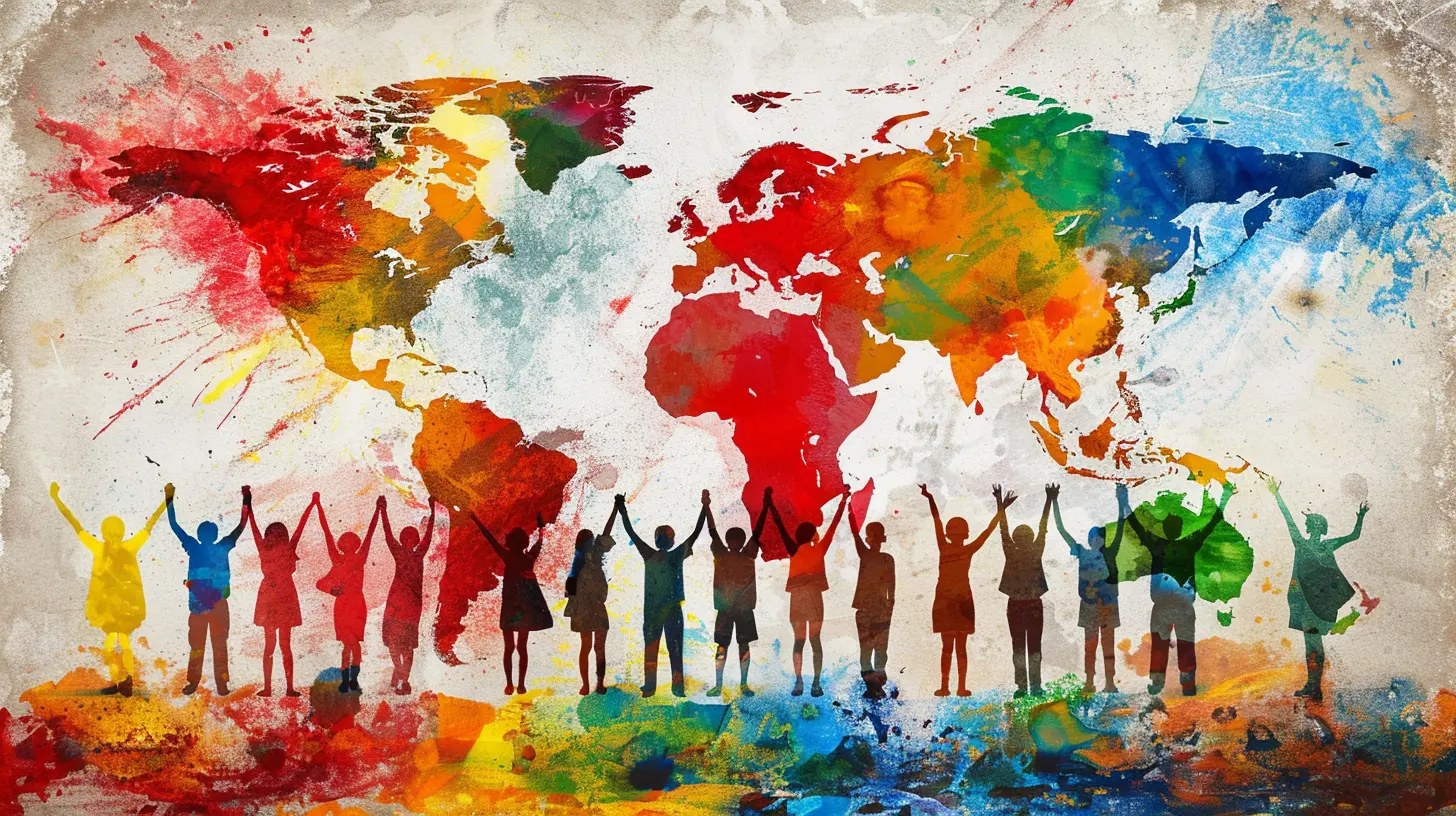
Cognitive Benefits of Bilingualism
Now, let’s talk about the cognitive benefits of bilingualism. You’ve probably heard that learning a second language can make you “smarter,” but what does that really mean?Enhanced Mental Flexibility
Bilingual students often exhibit greater mental flexibility than their monolingual peers. This is because switching between two languages requires the brain to constantly monitor and manage multiple linguistic systems. It’s like doing mental gymnastics — the brain gets a workout every time you have to decide which language to use in a given situation.This cognitive flexibility extends beyond language skills. Bilingual individuals tend to be better at problem-solving, multitasking, and adapting to new situations. In essence, learning a second language strengthens the brain’s executive function, which is responsible for tasks like planning, decision-making, and self-control.
Improved Memory and Focus
When you’re learning two languages, you’re also strengthening your memory. After all, you constantly have to remember vocabulary, grammar rules, and cultural nuances for both languages. Bilingual individuals often have better working memory, which means they can hold and process more information at once.Additionally, bilingualism promotes better focus. Because bilinguals have to constantly filter out one language while speaking another, they get really good at ignoring distractions and staying focused on the task at hand.
Delayed Onset of Dementia
Here’s another incredible benefit: speaking multiple languages can actually protect your brain as you age. Studies have shown that bilingualism can delay the onset of dementia and Alzheimer’s disease by up to five years. The mental workout that comes with juggling two languages helps the brain build “cognitive reserve,” which is essentially the brain’s ability to compensate for age-related decline.
Bilingual Education: A Tool for Social Equality
Bilingual education isn’t just a cognitive booster; it’s also a powerful tool for promoting social equality. In many countries, students from minority language groups are at a disadvantage in traditional schools, where instruction is often provided only in the dominant language. This can lead to academic struggles, lower self-esteem, and higher dropout rates among these students.However, bilingual education helps to level the playing field. By allowing students to learn in both their native language and the dominant language, it ensures that they don’t fall behind academically. At the same time, it validates their cultural identity, which can boost their confidence and sense of belonging.
In fact, research has shown that students in dual-language programs often outperform their peers in traditional monolingual programs. This is because they have the opportunity to fully engage with the material in a language they understand, while also developing proficiency in a second language. It’s a win-win!
Fostering Global Citizens
By promoting bilingualism and multicultural understanding, bilingual education also helps to create more engaged and globally-minded citizens. In today’s interconnected world, the ability to communicate and collaborate with people from different cultures is more important than ever before. Whether students go on to work in international business, politics, or the arts, being bilingual gives them a competitive edge.But beyond the professional advantages, bilingual education instills a sense of global responsibility. Students who have been exposed to different cultures are more likely to be empathetic and open-minded. They are more likely to advocate for social justice and equality. In short, bilingual education helps to create the kind of individuals who make the world a better, more inclusive place.
Challenges and Misconceptions
Of course, like any educational approach, bilingual education isn't without its challenges. One common misconception is that bilingual education might confuse children or hinder their ability to master either language. However, research consistently shows that children are more than capable of learning two languages simultaneously, and that bilingualism does not negatively impact cognitive development.Another challenge is the availability of resources and trained bilingual teachers. In many parts of the world, there is a shortage of educators who are proficient in both languages, which can make it difficult to implement bilingual programs effectively. However, as the demand for bilingual education grows, more and more schools are investing in the necessary resources to meet these challenges.
The Future of Bilingual Education
Looking ahead, the future of bilingual education is bright. As globalization continues to shape our world, the demand for individuals who can speak multiple languages and navigate diverse cultural environments will only increase. Governments and educational institutions around the globe are beginning to recognize the importance of bilingual education, and programs are expanding in many countries.Technology is also playing a role in the evolution of bilingual education. With the rise of language-learning apps, online courses, and virtual exchange programs, students have more opportunities than ever to immerse themselves in new languages and cultures.
Conclusion
Bilingual education is much more than a method for learning a second language. It’s a powerful tool for promoting multicultural understanding, empathy, and global citizenship. By allowing students to engage with diverse cultures, it helps break down barriers and fosters a more inclusive and interconnected world. And let’s not forget the cognitive benefits — bilingualism strengthens the brain, improves memory, and can even delay the onset of cognitive decline.In a world that’s becoming more diverse and interconnected by the day, bilingual education isn’t just an advantage — it’s a necessity. So, whether you're a parent considering bilingual education for your child or an educator looking to implement it in your school, remember: it’s not just about learning a new language. It’s about building bridges between cultures and creating a more harmonious and understanding world.
all images in this post were generated using AI tools
Category:
Bilingual EducationAuthor:

Monica O`Neal
Discussion
rate this article
1 comments
Isabella Willis
Great article! Bilingual education truly fosters cultural appreciation and opens doors to diverse perspectives. Well done!
August 16, 2026 at 12:00 PM
Monica O`Neal
Thank you for your kind words! I'm glad you found the article valuable. Bilingual education really does enrich our understanding of different cultures.