Bilingual Education: A Key to Encouraging Lifelong Curiosity
28 September 2026
Ever wonder what’s really going on inside the mind of a bilingual person? It’s like a secret garden—vibrant, constantly blooming, and full of doors that lead to unexpected places.
Now, imagine starting that journey in childhood. Imagine unlocking not just one, but two languages from an early age. That’s the soul of bilingual education. And here's the twist—it’s not just about grammar drills or memorizing foreign vocabulary. It’s so much deeper. Bilingual education ignites curiosity. The kind that sticks—the kind that makes learners ask, "What else is out there?" for the rest of their lives.
Curious yet?
Let’s dive into the mysteriously fascinating world of bilingual education and why it just might be the secret sauce to raising lifelong learners.
What Exactly Is Bilingual Education?
Let’s clear the fog first.Bilingual education isn’t some fancy term tossed around in academic circles. At its core, it simply means teaching students in two languages.
But there are layers to it. Some schools do a 50/50 model, where subjects are taught half the time in one language and half in another. Others might weave in the second language more subtly. Either way, it’s not just about speaking two tongues—it’s about thinking, feeling, and understanding the world in two different ways.
That’s powerful stuff.
The Brain on Two Languages: A Curiosity Engine
Science agrees—bilingual brains are unique.When kids grow up juggling two languages, their brains actually physically change. Their gray matter—the thinking part—gets denser. They become better at multitasking, solving problems, even tuning out distractions. It's like giving the brain a Swiss Army knife instead of a single blade.
Now, here’s where the magic happens: all that brain activity doesn’t stay trapped in language. It spreads. Bilingual kids often show more interest in how things work, why people do what they do, and what lies beyond the next page, the next border, the next idea.
That, my friend, is curiosity. And it’s alive and well in bilingual learners.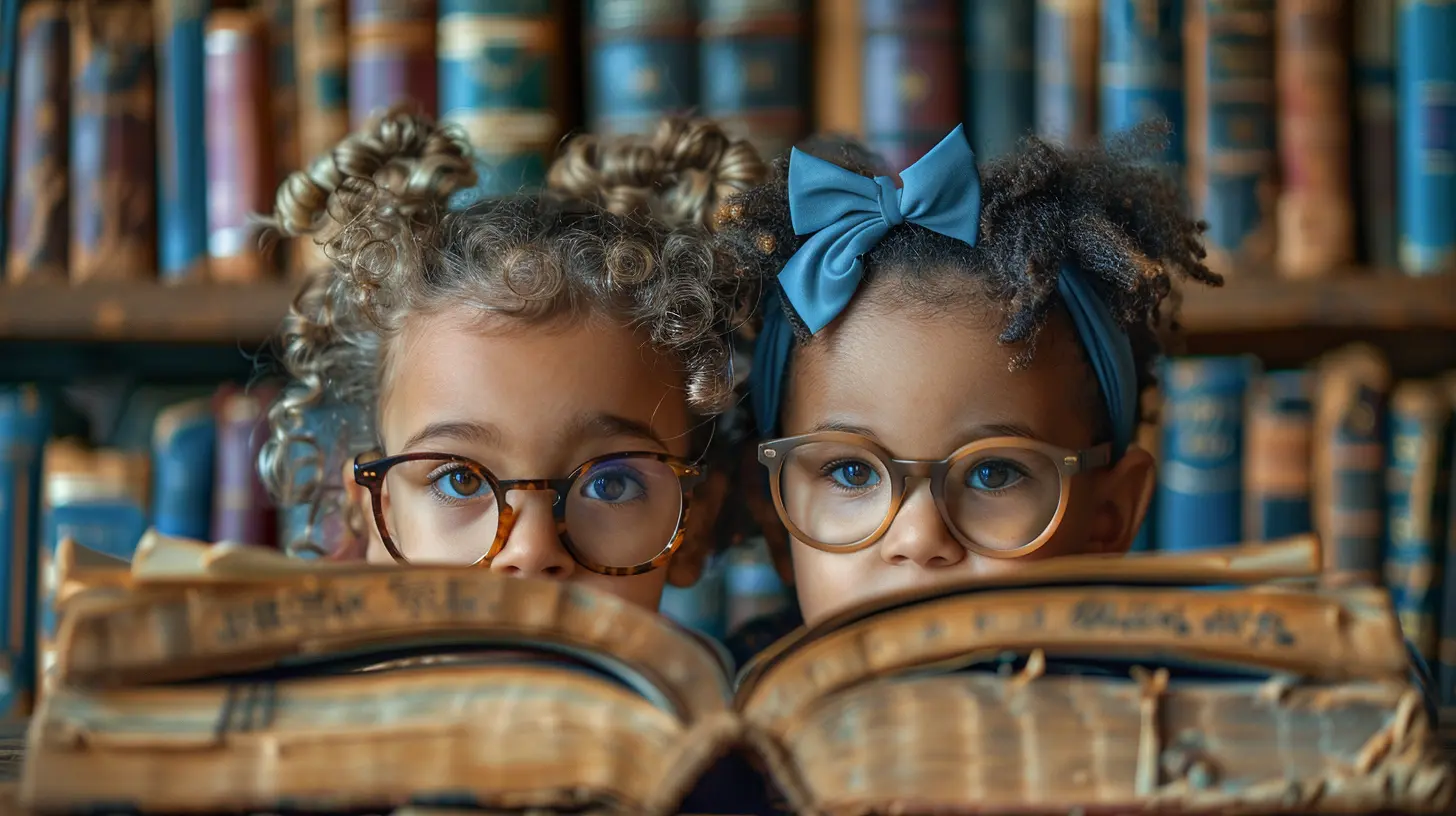
Cultural Doors Swung Wide Open
Ever had a moment where you understood a joke in another language and felt like you had found buried treasure?Bilingual education does that. Every new language is a key to a culture. It lets students not only speak to more people—but also think like them, feel like them, and relate to them.
And when kids see that the world isn’t a one-size-fits-all narrative? Boom. Curiosity explodes. They start asking questions: Why do people in Japan bow instead of shake hands? How come Spanish has so many idioms about food? What’s the difference between “freedom” in English and “liberté” in French?
The world becomes a puzzle they want to piece together—and they never stop looking for the next piece.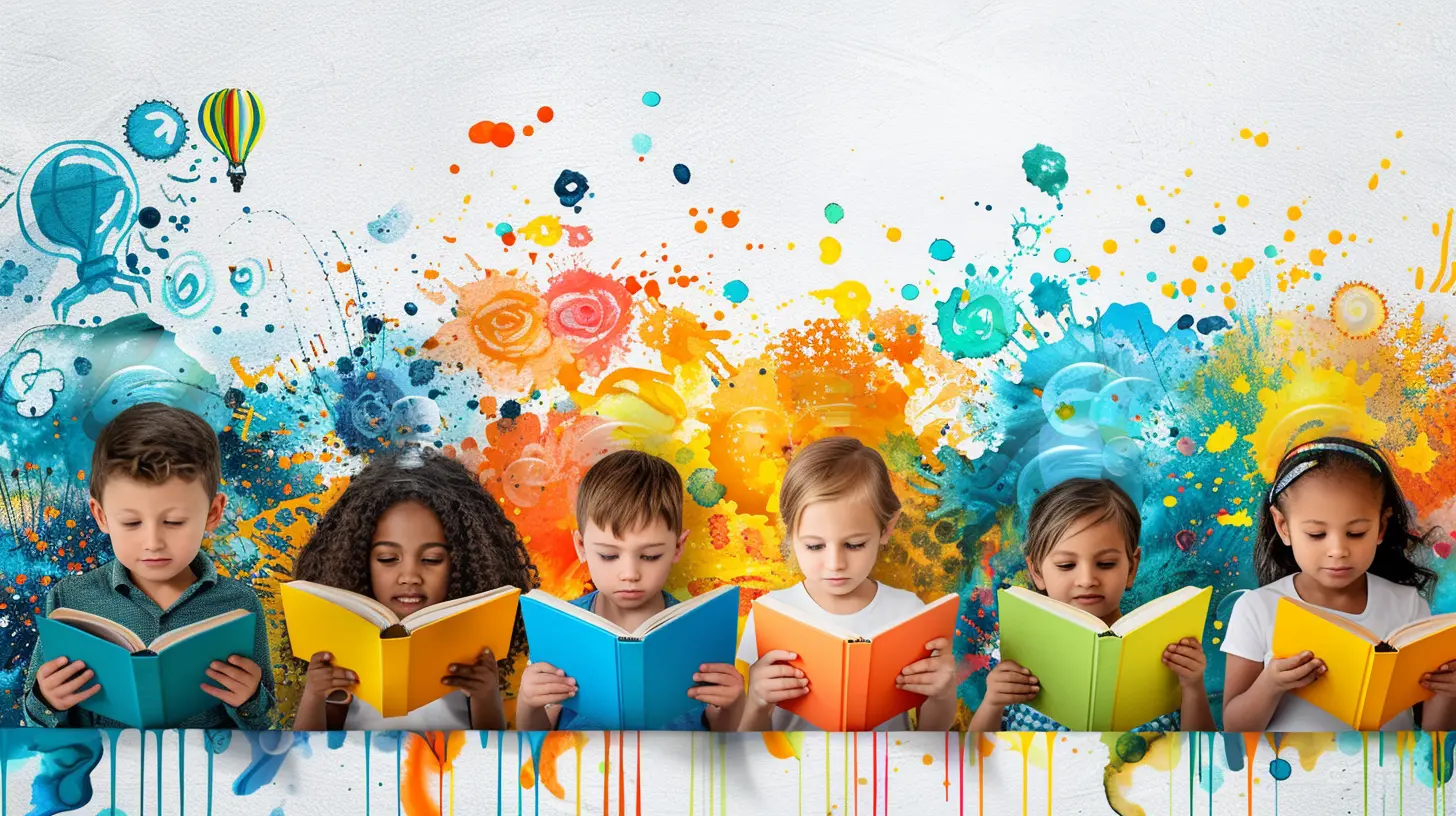
Lifelong Learning: Not Just a Buzzword
Let me ask you something.Do you know someone who’s constantly reading, asking questions, picking up new hobbies? Someone who genuinely enjoys growing?
Chances are, they’re a lifelong learner—and here’s the kicker: bilingual education lays the groundwork for that mindset early on.
Why? Because learning a second language isn’t a one-and-done thing. It’s a journey with no finish line. It teaches students to get comfy with NOT knowing—and to love the process of figuring things out. That mindset? It sticks. Long after they’ve left the classroom, bilingual learners tend to be more curious, more adventurous, more open to “what if?”
It’s like a built-in GPS for lifelong discovery.
Breaking Down Barriers: Confidence in the Classroom
Here’s something weirdly beautiful: bilingual kids often become more comfortable making mistakes.Yep, you heard that right. Because when they’re constantly switching between languages, they get used to experimenting, mispronouncing, messing up—and trying again. That resilience turns into confidence.
They’re less afraid to raise their hand, ask a strange question, or tackle a tough assignment. And guess what? That kind of boldness leads to deeper curiosity. When you’re not afraid to fail, you’re way more likely to take the first step into the unknown.
A Globalized World Needs Global Thinkers
Think about the world we’re living in.Borders are blurrier. Jobs are global. Even your favorite coffee brand might be run by someone halfway across the world.
Bilingual education trains students to thrive in that kind of world. It doesn’t just teach them to communicate—it teaches them to understand.
Students who grow up bilingual don’t just translate words—they translate ideas, perspectives, and entire worldviews. That kind of thinking leads to empathy, open-mindedness, and yes—insatiable curiosity about how others live, think, and dream.
The Role of Teachers: Curiosity Guides
Teachers in bilingual classrooms are more than instructors. They’re bridge builders. Culture carriers. Curiosity igniters.They’re equipped not just to teach math or science in two languages, but to turn every lesson into an adventure. A science unit on animals becomes a chance to compare habitats across continents. A history lesson transforms into a debate across different cultural viewpoints.
In these classrooms, curiosity isn’t a side effect—it’s the goal. And when curiosity drives learning? Miracles happen. Students don’t just memorize facts—they own them.
Myths That Need Breaking
Let’s bust a few bubbles.- ❌ "Kids will get confused learning two languages."
Nope. Studies show bilingual kids can actually separate their languages pretty early on.
- ❌ "It’ll slow down their progress in other subjects."
Wrong again. In many cases, bilingual students outperform their monolingual peers across the board.
- ❌ "It only benefits language skills."
Big no. The benefits spill over into math, science, emotional intelligence, and social skills.
Think of bilingual education like planting a tree. You’re not just growing language—you’re growing stronger roots, wider branches, and richer fruit.
Parents as Partners in Curiosity
If there’s one secret ingredient to bilingual success, it’s this: support at home.Parents don’t have to be fluent in the second language. What matters is the attitude. Encouraging questions. Celebrating little wins. Staying curious with your child.
Curiosity is contagious. If kids see their parents taking interest—reading bilingual books, asking about lessons, giggling over awkward pronunciation—they’re more likely to stick with it.
Remember, you're not just raising a bilingual child. You’re raising a curious one.
The Future Speaks Two Languages (Or More)
Let’s be real—monolingualism is slowly becoming the exception, not the rule. From tech to tourism, science to social media, the ability to operate in more than one language is becoming a superpower.But it’s more than just a resume booster. It's about readiness. Readiness to tackle problems from multiple angles. To connect with people across oceans and ideologies. To keep learning, no matter what the world throws at you.
And all of that? It starts with the spark of curiosity. Bilingual education doesn’t just teach kids to speak—it teaches them to wonder.
It’s Never Too Late to Start
Okay, maybe you’re not a kid anymore. Maybe you’re thinking, “Dang, I wish I’d learned another language when I was younger.”Here’s the thing: It’s never too late.
Whether you’re 7 or 77, picking up another language can still unlock that curious part of your brain. Bonus? You’ll start noticing all the things you don’t know—and you’ll find joy in chasing those answers.
That’s the essence of lifelong curiosity. And bilingual education—at any age—is a golden ticket.
Final Thoughts: The Hidden Treasure
So why does bilingual education matter? Not just because it teaches language. Not even because it opens doors to better jobs or travel opportunities.It matters because it teaches kids (and adults!) how to think differently. How to see with new eyes. How to stay curious, stay humble, and keep learning long after the classroom lights go out.
In a world overflowing with answers, bilingual education dares us to keep asking questions.
And that right there? That’s where the magic lives.
all images in this post were generated using AI tools
Category:
Bilingual EducationAuthor:
Monica O`Neal