Balancing Academics and Social Life in 2026
14 May 2026
Let's be real for a second. You're staring at a calendar that looks like a battlefield. One side is stacked with deadlines, exams, and group projects. The other side is full of parties, gym sessions, late-night hangouts, and that one friend who always wants to go thrift shopping. And somewhere in between, you're supposed to sleep, eat, and maybe breathe. Sound familiar?
By 2026, the game has changed. We're not just dealing with textbooks and pop quizzes anymore. We're juggling AI tutors, hybrid classes, gig economy side hustles, and a social life that blurs the line between online and offline. The old advice about "study hard, play hard" feels like a joke from a 90s movie. But here's the truth: you don't have to sacrifice your grades to have a life, and you don't have to ghost your friends to ace that final. You just need a smarter, more human approach.
This isn't another listicle telling you to "make a schedule" like that's some magic bullet. This is a real talk about how to balance the chaos of being a student in 2026 without losing your mind or your identity. Let's dive in.
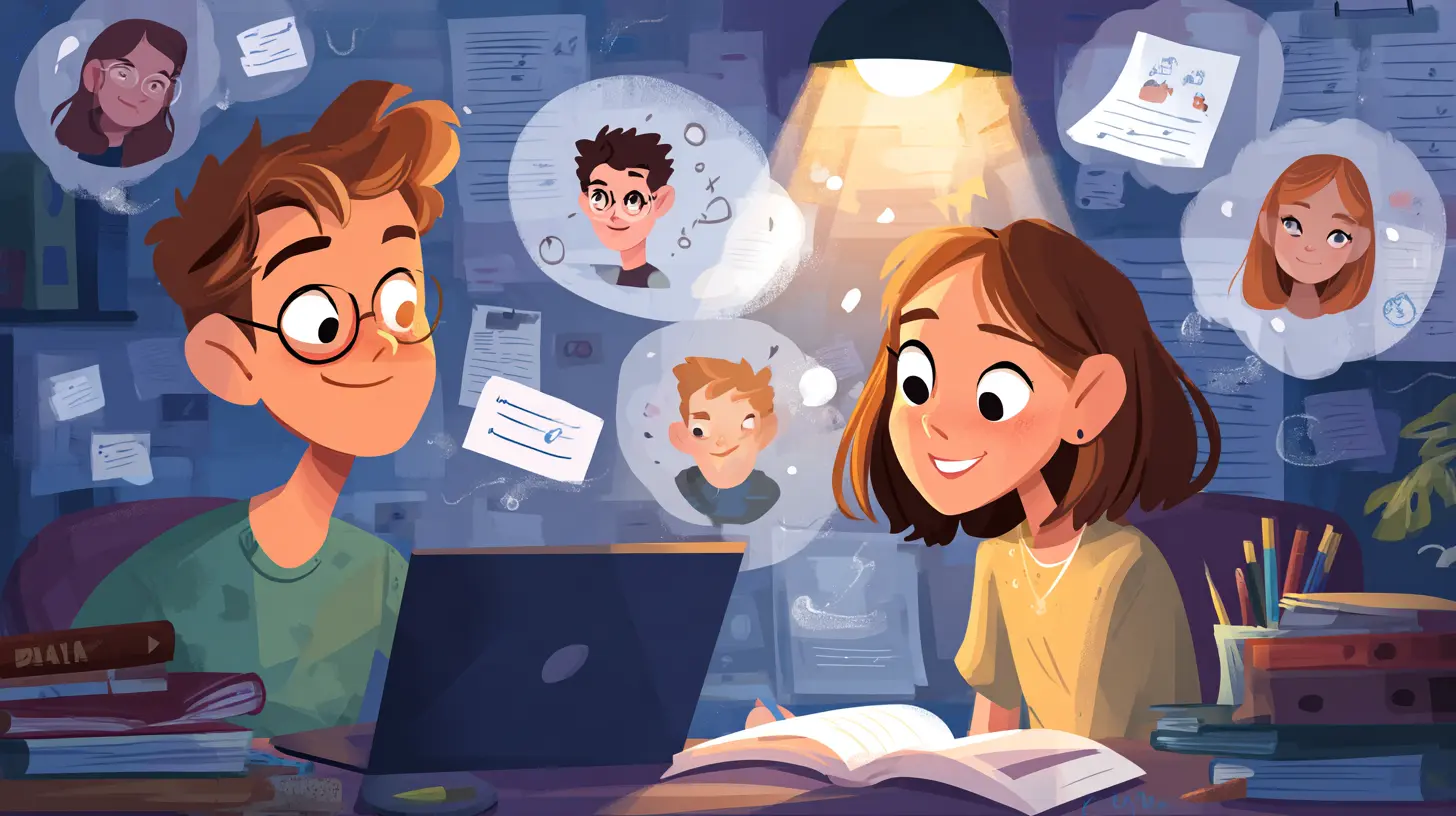
The New Reality: Why 2026 Is Different
First, let's acknowledge the elephant in the dorm room. The world of 2026 is not your parents' college experience. You've got a constant stream of notifications from five different platforms. Your professors expect you to use AI for research but also want original thinking. Your social circle might be spread across three time zones. And the pressure to be "productive" every single second is louder than ever.Think of it like this: your brain is a smartphone with twenty apps running in the background. Academics is the main app you need to focus on, but social life, mental health, and survival tasks are all draining the battery. If you don't manage that battery, you'll crash. Hard.
The key isn't to turn off the apps. It's to prioritize which ones need your attention right now, and which ones can wait. That sounds simple, but in practice, it's a muscle you have to build.
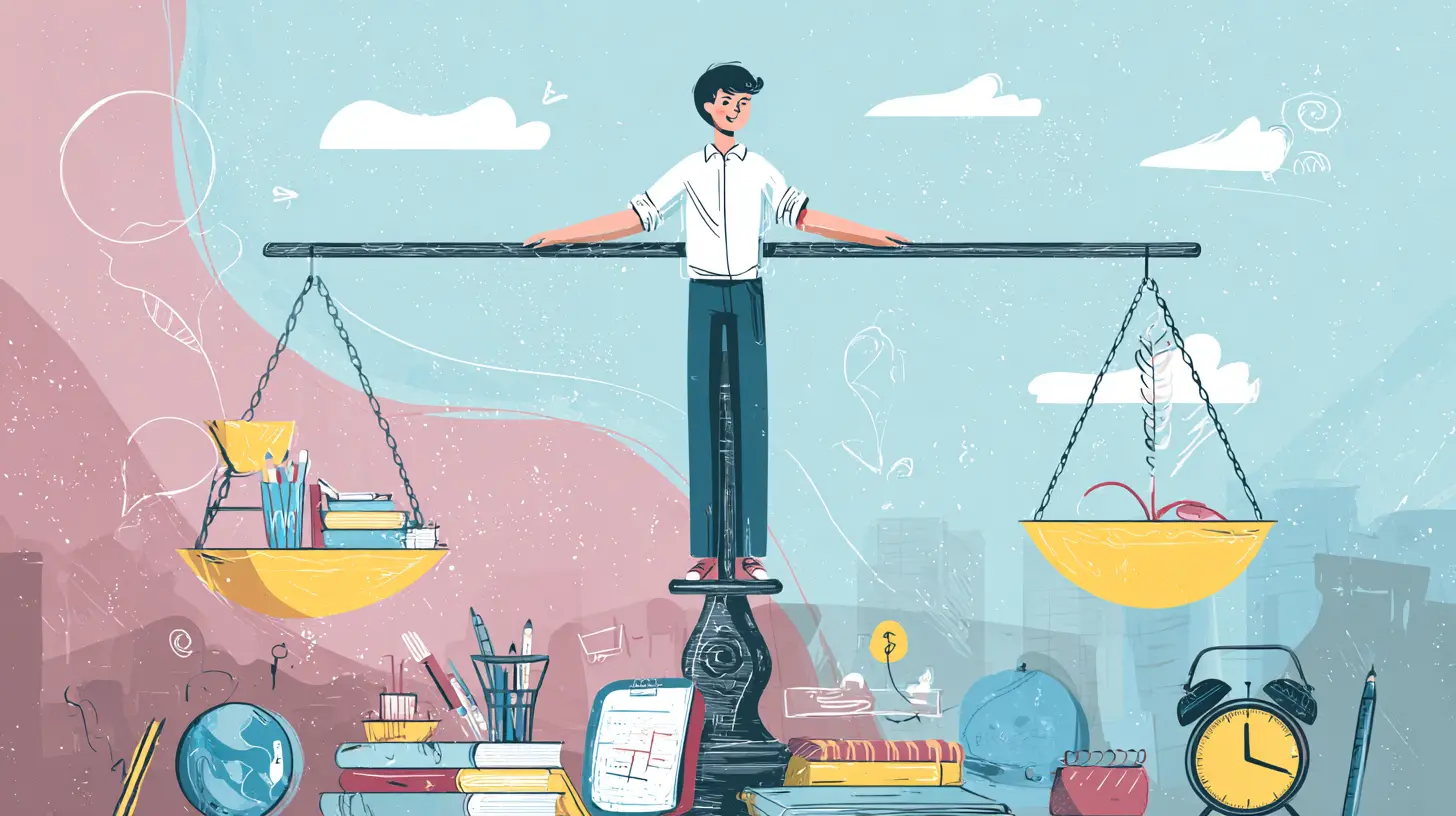
The Myth of Perfect Balance
Here's a hard pill to swallow: perfect balance doesn't exist. You can't give 100% to your studies and 100% to your friends at the same time. That's math, not magic. What you can do is find a rhythm that works for you. Some weeks, academics will take the front seat. Other weeks, your social battery needs a recharge, and that's okay.I remember my own sophomore year. I was convinced I had to be the perfect student and the perfect friend. I ended up burning out by midterms, sleeping through a party I'd been planning for weeks, and failing a quiz because I was too exhausted to think. That's when I realized: balance isn't a fixed point. It's a dance. You step forward, you step back, and sometimes you just stand still and breathe.
In 2026, this dance is even more complex because the lines are blurred. Your study group might be on Discord. Your best friend might text you during a lecture. Your professor might post a video at midnight. The boundaries are fuzzy, so you have to draw them yourself.

How to Actually Manage Your Time (Without Becoming a Robot)
Let's talk tactics. Not the boring kind where you buy a fancy planner and never use it. I mean real, dirty, practical strategies that work in the real world.1. Use the "Energy Map" Method
Most people plan their day by clock hours. That's a mistake. In 2026, your energy levels are more important than the time on your watch. Are you a morning person? Do you crash after lunch? Do you get a second wind at 10 PM? Map that out.For example, if you know you're sharpest between 8 AM and 11 AM, block that time for your hardest academic work. No social media, no group chats, no interruptions. Then, when your energy dips in the afternoon, use that time for lighter tasks: reviewing notes, responding to friends, or hitting the gym. Your social life doesn't have to happen at night. A coffee date at 3 PM can be just as meaningful as a late-night party.
2. The "Two-List" Rule
Stop trying to do everything. Every Sunday, write down two lists. The first list is "Non-Negotiables" - things that must happen this week. That might be a paper due Friday, a lab report, and a doctor's appointment. The second list is "Nice-to-Haves" - things like seeing a movie, going to a club meeting, or calling your parents.Now, here's the trick: only commit to the first list. The second list is a bonus. If you have energy left, pick one or two items from it. If you don't, let them go without guilt. This stops you from overloading your schedule with obligations that drain your social life into a chore.
3. Batch Your Social Time
One of the biggest traps of 2026 is the constant drip of social interaction. A text here, a meme there, a quick call - it all adds up to mental clutter. Instead of responding to every ping in real time, batch your social time.Set aside 30 minutes in the evening to catch up with friends. Reply to messages, scroll through stories, and even call someone if you feel like it. During the rest of the day, put your phone on Do Not Disturb or use a focus app. Your friends will understand. And if they don't, they're not really your friends.

The Art of Saying No (Without Feeling Like a Jerk)
Here's a sentence that will change your life: "I'd love to, but I can't right now." That's it. You don't need to explain yourself. You don't need to apologize for having priorities.In 2026, FOMO (fear of missing out) is real, but it's also a trap. You're going to miss things. That's part of being human. What matters is that you're present for the things you choose to do. If you say yes to everything, you're really saying no to yourself.
Think of your social life like a garden. You can't water every plant equally. Some need more attention, some can survive on their own, and some are weeds that just take up space. Choose the relationships that nourish you, and let the rest go.
The Role of Technology: Friend or Frenemy?
By now, you probably have an AI assistant that helps with homework, a calendar app that syncs across devices, and a dozen group chats that never stop buzzing. Technology can be your greatest ally or your worst enemy. It all depends on how you use it.Use tech to automate the boring stuff. Set reminders for deadlines. Use AI to brainstorm ideas for papers. Block distracting websites during study time. But don't let tech run your life. If your phone is the first thing you touch in the morning and the last thing you see at night, you're outsourcing your attention.
A simple hack: create a "digital sunset." One hour before bed, put your phone in another room. Read a book, talk to a roommate, or just stare at the ceiling. Your brain needs that downtime to process the day and prepare for tomorrow.
Building a Social Life That Actually Feeds You
Let's be honest: not all social activities are created equal. Going to a loud party where you can't hear anyone might feel like a waste of time. A deep conversation with one friend over coffee might recharge your soul. In 2026, quality beats quantity every time.Focus on building a small, tight-knit circle. Find people who share your values, your humor, or your weird hobbies. Join clubs or groups that align with your interests, not just because they look good on a resume. And don't be afraid to be the one who initiates plans. Text that friend you haven't seen in a month. Propose a study date followed by a walk. Real connection takes effort, but it's worth it.
Also, embrace solitude. Yes, social life is important, but so is time alone. You need space to think, to dream, to just be. If you're always surrounded by people, you never get to hear your own voice. And your own voice is the one that knows what you truly need.
The Mental Health Corner: You Can't Pour from an Empty Cup
This is the part that most articles skip. They tell you to "work hard and play hard" without mentioning the burnout that follows. In 2026, mental health is not a buzzword - it's a survival skill.If you're feeling overwhelmed, stop. Literally stop. Take a deep breath. Ask yourself: "What do I need right now?" Maybe it's a nap. Maybe it's a walk. Maybe it's crying for five minutes. Whatever it is, give yourself permission to do it.
Your academics and social life are both important, but they are not more important than your well-being. If you're running on empty, you won't be good at either. So set boundaries. Learn to recognize the signs of burnout: irritability, fatigue, loss of interest in things you used to love. When you see those signs, adjust.
Real-Life Scenarios: How to Handle the Tough Calls
Let's get specific. Here are three common situations you might face in 2026, and how to handle them.Scenario 1: Your best friend's birthday party is the night before a major exam.
You want to go. You should go. But you also need to pass that exam. The solution? Go for the first two hours, then leave early. You'll show your friend you care, and you'll still get a good night's sleep. Or, study with a group earlier in the day, then treat yourself to the party as a reward. You don't have to choose one or the other - you can find a middle ground.
Scenario 2: Your group project partner wants to meet at 9 PM, but that's your only free time to hang out with your roommate.
This is about communication. Tell your partner: "I can do 7 PM or 10 AM tomorrow, but 9 PM doesn't work for me." Most people will respect your boundaries if you state them clearly. If they don't, that's a red flag. Learn to advocate for your own time.
Scenario 3: You feel guilty for taking a night off to watch a movie instead of studying.
Here's a secret: rest is part of productivity. Your brain needs downtime to consolidate information. Taking a night off doesn't make you lazy - it makes you smart. So watch that movie. Laugh. Cry. Then get back to work tomorrow with a fresh mind.
The Big Picture: What You're Really Building
At the end of the day, balancing academics and social life isn't about getting perfect grades or having the most Instagram-worthy weekends. It's about building a life that feels yours. It's about learning who you are outside of the classroom and outside of the crowd.The skills you're developing right now - time management, boundary-setting, emotional intelligence - will serve you long after you graduate. In 2026, the world is moving fast. But you don't have to run with it. You just have to find your own pace.
So go ahead. Ace that exam. Go to that party. Call your mom. Take a nap. Cry if you need to. Laugh until your stomach hurts. This is your life, and you get to decide what matters.
You've got this. Really.
all images in this post were generated using AI tools
Category:
Student LifeAuthor:

Monica O`Neal
Discussion
rate this article
1 comments
Zevan Cooper
Finding that balance is crucial for success.
May 24, 2026 at 3:49 AM